What to Expect From a Commercial Cleaning Walkthrough & Quote
Before a commercial cleaning company can price your building, they need to see it. Here's what happens during the walkthrough, how the quote gets built, and how to compare bids so you're choosing on scope and value — not just the lowest number.
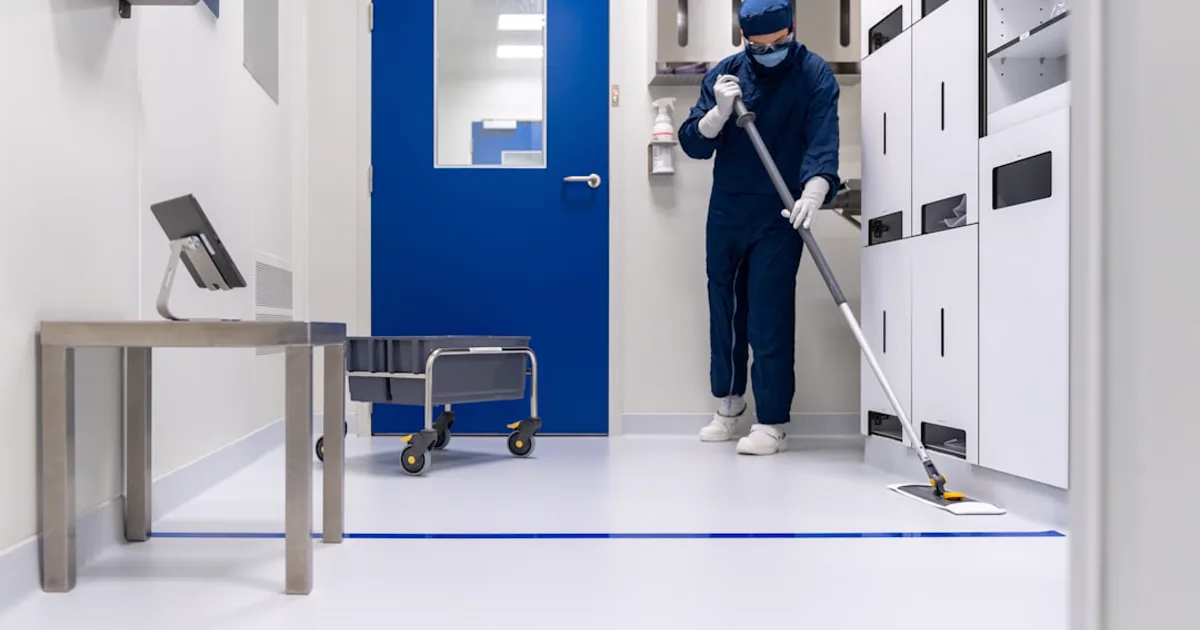
You've decided it's time to bring in a commercial cleaning company. What comes next is usually a walkthrough followed by a written quote — and knowing exactly how that meeting plays out keeps you in the driver's seat. A well-run commercial cleaning walkthrough and quote is where scope, schedule, and price all get pinned down. It's the single best chance you have to turn a vague "we need the office cleaned" into a precise, comparable proposal.
This guide walks facility managers, office managers, and property managers through the whole process: what the estimator studies on site, how the quote is actually built, how to compare bids fairly, and how to vet a provider before you sign anything. Come prepared, and the walkthrough works in your favor.
What a Walkthrough Actually Is — and Why It Comes First
A walkthrough is an on-site visit where an estimator sees your facility the way no email or phone call ever could. They measure or confirm square footage, note your floor types, count restrooms, and get a feel for how the space is used day to day. Part assessment, part conversation about what you actually need.
Here's why it comes before any real number. Two buildings with identical square footage can demand wildly different amounts of work. One might be wall-to-wall carpet with two restrooms; the other, polished concrete plus a commercial kitchen and a lobby that never stops moving. No honest provider prices a commercial space sight-unseen, which is exactly why a walkthrough is standard practice and not a sales gimmick.
Expect it to be free, with no obligation, and to take roughly 20 to 45 minutes for a standard office. Treat it as a two-way interview — they're sizing up your building, and you're deciding whether this is a company you'd trust with keys to it.
What the Estimator Looks At During the Walkthrough
Once you know what an estimator scans for, you can have the answers ready and speed the whole thing up.
Space, surfaces, and square footage
Cleanable square footage is the foundation of any quote, but the surfaces matter as much as the size. The estimator notes floor types — carpet versus hard floor versus tile — the number of restrooms, break rooms and kitchens, and how much interior glass and entryway there is. Restrooms and kitchens eat labor per square foot, so a building with several of them prices differently than an open floor plan of the same size.
Traffic, use, and special areas
Next comes how the space gets used: headcount, foot traffic, and high-touch surfaces all shape how often and how thoroughly each area needs attention. Specialty spaces — warehouses, labs, medical-adjacent suites, or a recently finished construction area — get flagged here, because they carry their own standards and equipment needs. Already have a scope of work checklist? Share it. It gives the estimator a precise target to price against.
Access, security, and timing
Finally, the practical logistics: after-hours access, keys or alarm codes, loading docks, elevator use. This matters because most offices are cleaned while they're empty — Bureau of Labor Statistics data notes that many cleaners work evening hours precisely because buildings are serviced after everyone leaves. Your ideal cleaning window is part of the quote, so raise it early.
How the Quote Is Built (What Drives the Price)
A commercial cleaning quote comes down to four levers: the scope of tasks, the cleaning frequency, the square footage, and the shift timing. Move any one of them and the number moves with it.
Labor is the dominant cost in this industry, which is why frequency and scope matter more than almost anything else. The Bureau of Labor Statistics puts the median wage for janitors and building cleaners at $17.27 an hour, or about $37,460 a year as of May 2024. Every added task and every added visit is more labor hours on the clock, so a five-night-a-week schedule naturally costs more than twice a week. Deciding your cleaning frequency is one of the biggest budget levers you control.
A good written proposal itemizes all of it: a task list broken out by area, the frequency for each task, and a clear line between what's baked into the recurring price and what's billed as an add-on — interior window cleaning, floor stripping and waxing, or carpet extraction, for example. It should also state a start date and the pricing basis. Be wary of anyone who quotes a single flat number with no breakdown. Pricing genuinely varies by facility size, type, and condition, and a legitimate estimate reflects that.
Comparing Multiple Bids the Right Way
The Better Business Bureau's long-standing advice for hiring any service provider is to gather at least three quotes — and, crucially, to make sure every bid addresses the same scope of work. Comparing proposals that assume different task lists or frequencies isn't really comparing at all.
The lowest bid isn't automatically the best value. A rock-bottom price can signal missing scope, cut corners, or under-staffing rather than genuine efficiency. As the BBB notes in its rundown of common hiring mistakes, weighing more than the price tag — reputation, experience, communication — tends to protect you from a result that costs less up front and far more in redo work later.
The practical move: hand every company the same task list and schedule, then ask each to itemize exactly what is and isn't included. Once the scopes line up, the price differences finally mean something.
Vetting the Provider Before You Sign
Before a contract crosses your desk, confirm the company carries proper licensing plus both liability and workers' compensation insurance. This isn't a formality. If a cleaner is injured in your building or something gets damaged, adequate coverage is what keeps that exposure off your books. It helps to understand what "insured and bonded" actually means, so you know what you're verifying.
Ask for recent local references and take a minute to call one or two — ask about reliability, communication, and whether the crew held to the agreed scope. It's also fair to ask how staff are trained, whether background checks are run, and what identification the crew carries on site. Reasonable questions for anyone who'll have after-hours access to your facility.
When the agreement lands, make sure it spells out the scope of work, the schedule, the pricing and payment terms, and a quality or re-clean provision for work that falls short. Get every verbal promise in writing, and never sign a blank or incomplete contract. A thorough, clearly itemized agreement is itself a good sign that the company is organized and accountable.
Frequently Asked Questions
How long does a commercial cleaning walkthrough take?
For a typical office or small facility, a walkthrough usually runs 20 to 45 minutes — long enough for the estimator to measure or confirm square footage, look at each area type (restrooms, break rooms, hard floors, entryways), and talk through your schedule and priorities. Larger or multi-building sites take longer, and post-construction or specialty spaces may need a second look.
Should a commercial cleaning quote be free?
Yes. Reputable commercial cleaning companies provide the walkthrough and written quote at no cost and with no obligation. The estimate is how they earn your business, so you shouldn't be charged simply to have someone assess your facility and put a price in writing.
Why do cleaning quotes for the same building vary so much?
Two bids can differ because they assume different scopes, frequencies, or staffing levels — not because one company is simply cheaper. That's why it helps to have every company quote the same task list and schedule. An unusually low number often means something was left out, so ask each provider to itemize exactly what is and isn't included.
What should I have ready before the walkthrough?
Know your approximate square footage, the areas you want covered, your ideal cleaning days and times, any security or access requirements, and any problem spots such as high-traffic entries, restrooms, and kitchens. Having your must-haves written down helps every company quote against the same scope so the bids are comparable.
The Bottom Line
The walkthrough is your leverage. It's the moment a fuzzy request becomes a written, comparable scope — and the more prepared you are, the better the quote you'll get back. Come with your square footage, priorities, and schedule in hand, insist on an itemized proposal, compare like-for-like across at least three providers, and confirm licensing and insurance before you sign.
Neat & Clean Co provides free, no-obligation walkthroughs for commercial cleaning in your area across Southwest Florida and the Minneapolis North Metro. When you're ready to see what a clear, itemized quote looks like for your facility, request an estimate.
This article is for general informational purposes only. Cleaning scope, frequency, and pricing vary by facility size, type, and condition. Service availability depends on your location within Neat & Clean Co's service area. Contact us for a quote specific to your facility.
Related articles
Cleaning vs. Sanitizing vs. Disinfecting: What's Actually Different
Facility walkthroughs and janitorial bids use cleaning, sanitizing, and disinfecting as if they were synonyms. They're three different processes with three different costs, three different labor profiles, and three different regulatory footprints. Here's what each one actually does, what the product label is telling you, how to assign the right level to each zone in your building, and what OSHA expects of whoever is handling the chemicals.

Commercial Cleaning Contract Scope of Work: What to Look For Before You Sign
Two janitorial proposals can land within a hundred dollars of each other and buy very different amounts of work. The difference is almost never in the price — it is in the scope of work, the document that says which tasks get done, where, how often, and to what standard. Here is how facility and property managers in the Minneapolis North Metro read a cleaning scope before signing, and which clauses decide how easily you can leave if the service slips.

How to Choose a Commercial Cleaning Company in Maple Grove, MN
Choosing a commercial cleaning company in Maple Grove is a decision about reliability and liability, not just price. This guide covers how to verify insurance and bonding, confirm OSHA and EPA compliance, read a bid, and vet crews before you sign a janitorial contract.