Commercial cleaning guides.
Costs, checklists, and practical buyer advice for facility, office, and property managers across Minnesota.
Commercial Cleaning

Conference Room Cleaning Schedule: Follow Bookings, Not the Calendar
A fixed weekday slot cleans empty rooms and misses busy ones. Here is how to tie a conference room cleaning schedule to your booking system instead.
Medical Office Cleaning Documentation: Logs and Sign-Off Explained
A cleaning log turns a schedule into a record. See what CDC guidance says a log should capture, who signs off, and how audits keep a medical office on track.
Office Break Room Cleaning Checklist for Facility Managers
The break room is the only room in a commercial building where people prepare food, eat it, and leave it behind — and it is usually the room your cleaning scope describes in a single vague line. This checklist breaks the work down zone by zone, separates the tasks OSHA actually requires from the ones that are quality decisions, and shows facility managers how to assign every line between the janitorial contract and building staff.

Car Dealership Cleaning Checklist: Showroom, Service Bay and Restrooms
A dealership mixes a retail floor, public restrooms and an industrial shop. Use this checklist to split the work by zone and agree on a schedule with your cleaning provider.

High-Touch Surface Cleaning in Offices During Flu Season
Flu season puts shared handles, buttons and fixtures in the spotlight. Here is how facility managers can separate routine cleaning from disinfecting, using CDC guidance.

Church Cleaning Checklist and Schedule for Worship Facilities
A worship facility sits nearly empty most of the week, then absorbs several hundred people through two doors in ninety minutes. That usage pattern breaks a standard office cleaning schedule. This guide organizes a church cleaning checklist the way these buildings actually run — by frequency tier and by zone, from the after-service reset through annual floor work.
Office Break Room Cleaning Schedule: Daily and Weekly Standards
Break rooms mix food, shared appliances and every employee in the building. Here is a daily and weekly cleaning standard, with a clear split between staff and crew.
Commercial Carpet Cleaning Methods Compared: Extraction, Encapsulation and Bonnet
Hot water extraction, encapsulation and bonnet cleaning each treat office carpet differently. Here is how they work, what they leave behind, and where each one fits.
How to Choose a Commercial Cleaning Company in Eden Prairie, MN
A practical guide for Eden Prairie facility managers: what to confirm about insurance, chemical training, references, scope and the written agreement before hiring a cleaner.
How to Choose a Commercial Cleaning Company in White Bear Lake, MN
A practical guide for White Bear Lake facility managers: define your scope, ask the right questions, check references and chemical handling, compare estimates, and get it in writing.
How to Choose a Commercial Cleaning Company in Lino Lakes, MN
A practical guide for Lino Lakes facility managers: define your scope, check references and coverage, ask about chemical handling, put the agreement in writing, and compare quotes on what each one includes.
How to Choose a Commercial Cleaning Company in Lakeville, MN
A cleaning vendor works inside your building, often when you are not there. Here is what to ask, what to check and how to compare bids before you sign in Lakeville.
How to Choose a Commercial Cleaning Company in Roseville, MN
Choosing a commercial cleaning company in Roseville comes down to a clear scope, crew training, references, proof of insurance and a written agreement. Here is how to check each one.
How to Choose a Commercial Cleaning Company in Maplewood, MN
Maplewood buildings range from corporate offices to medical suites, retail and senior living. Here is how to choose a commercial cleaning company that fits yours.

Office Cleaning for Hybrid Workplaces: How to Adjust Frequency
Most office cleaning contracts were written for a building that filled up every weekday. In a hybrid workplace, that schedule overpays for empty space while under-serving the zones that still take a beating. Here is how facility managers sort tasks that scale with headcount from tasks that do not, build a zone-by-zone frequency matrix using occupancy data they already have, rewrite the scope of work, and verify that standards actually held.
Office Carpet Cleaning Frequency: How Often Should You Schedule It?
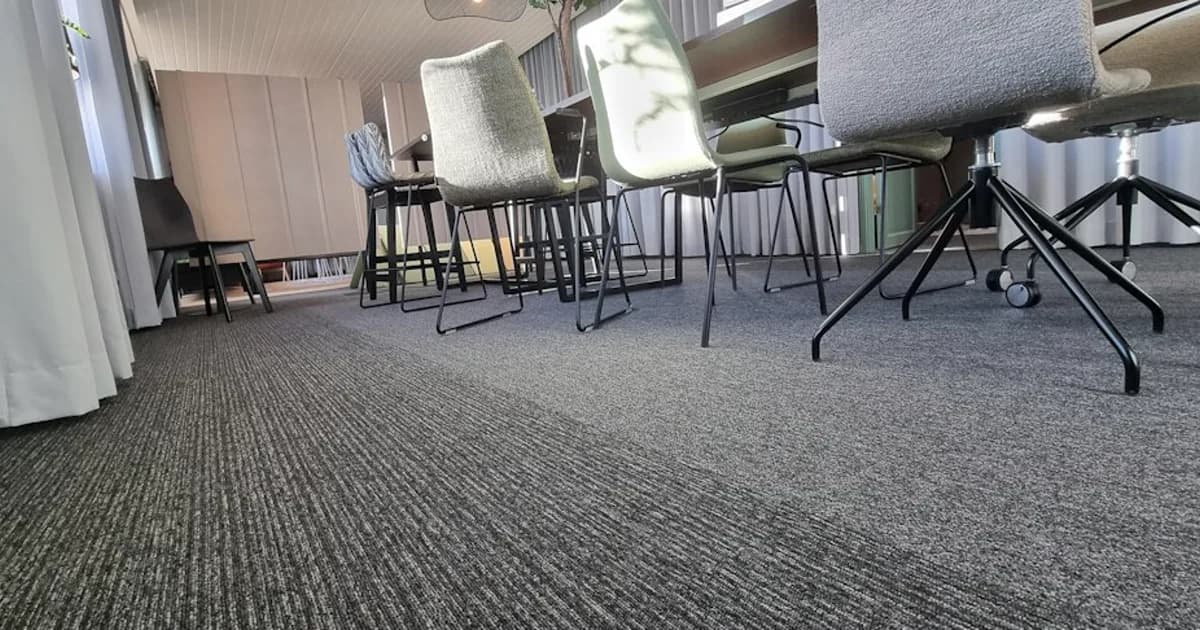
There is no federally mandated office carpet cleaning frequency, which leaves facility managers taking a vendor's word for it. This guide replaces the guesswork with a zone-based schedule you can defend: how to map traffic zones, set separate vacuuming and extraction intervals, read the five signs your current schedule is falling behind, and extend the time between deep cleans without letting the carpet degrade.
Retail Store Cleaning Checklist: Daily, Weekly, and Seasonal
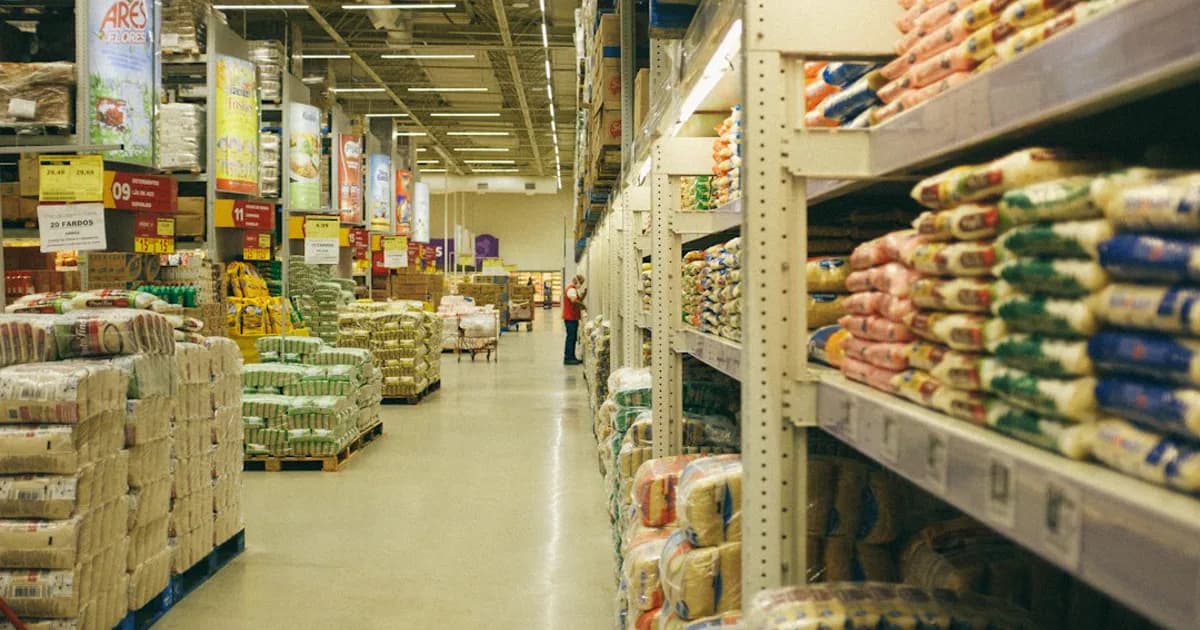
Retail cleaning fails differently than office cleaning: the work is visible to customers in real time, the floor is both a sales surface and a liability surface, and most of the daily list has to happen during trading hours. Here is a retail store cleaning checklist organized the way the work actually behaves — daily, weekly, and periodic — plus where federal standards set a floor and how to turn the list into a scope a vendor can be held to.

Gym Cleaning Standards: What Fitness Operators Are Actually Held To
There is no single federal rule titled "gym cleaning standard." What exists instead is a stack of CDC guidance, EPA product rules, OSHA employer obligations, and equipment-manufacturer instructions that together define what a defensible program looks like. This guide pulls that stack into one place for fitness operators: what to clean and how often, how to read a disinfectant label, what documentation a facility is expected to keep, and how to decide between in-house staff and a contracted janitorial crew.
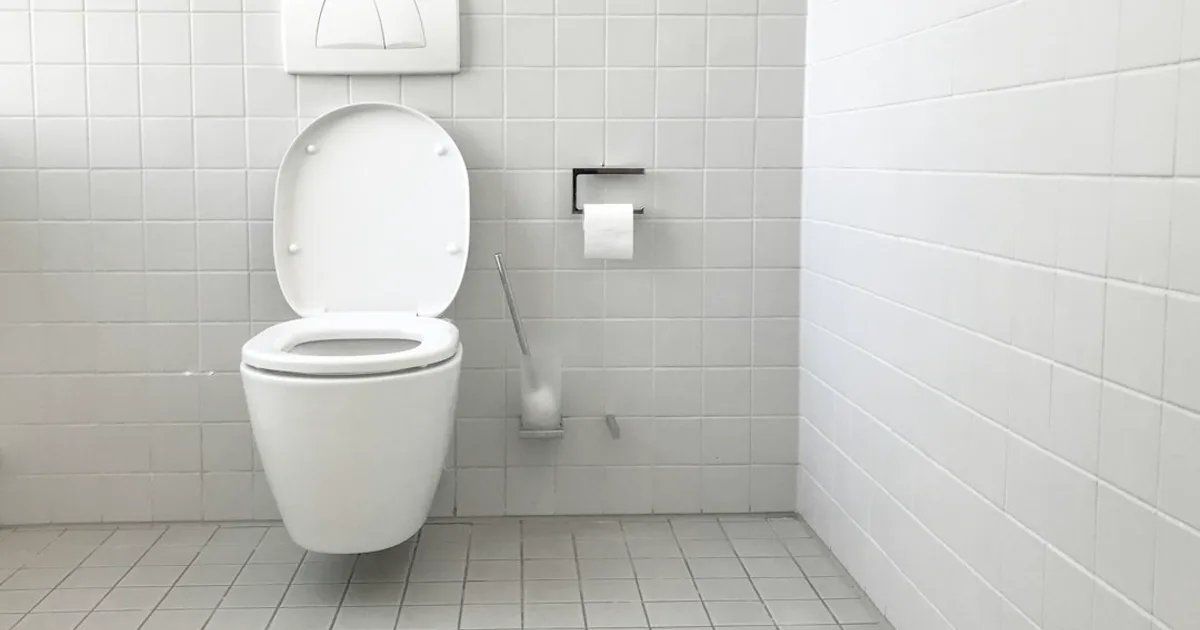
Commercial Restroom Cleaning Standards: Frequency and Checklist
Restrooms generate more tenant complaints than any other space in a commercial building, and most of those complaints trace back to a service frequency set by habit instead of by traffic. This guide covers what federal sanitation rules actually require, how to set restroom cleaning frequency from fixture use, where disinfecting belongs versus routine cleaning, the daily checklist in the sequence that prevents cross-contamination, and the periodic tasks that quietly fall off most contracts.

School Facility Cleaning Standards: What Schools and Daycares Are Held To
School and daycare cleaning standards aren't one regulation — they're a framework built from CDC hygiene guidance, EPA chemical guidance, and an OSHA standard most administrators have never read. This guide breaks down the three-tier clean-sanitize-disinfect sequence, what the guidance says about frequency, which products belong in a building full of children, where custodial programs quietly fail, and how to write all of it into a janitorial scope of work you can hold a contractor to.

Commercial Kitchen Cleaning Standards: What Restaurants Are Actually Held To
A kitchen can look clean at the end of a shift and still fail an inspection, because cleanliness in food service is a documented standard rather than an impression. This guide walks through the three sets of rules a commercial kitchen answers to, what cleaning, sanitizing, and disinfecting each actually accomplish, how to build a task cadence you can defend to an inspector, and where an outside cleaning crew fits alongside your own staff.
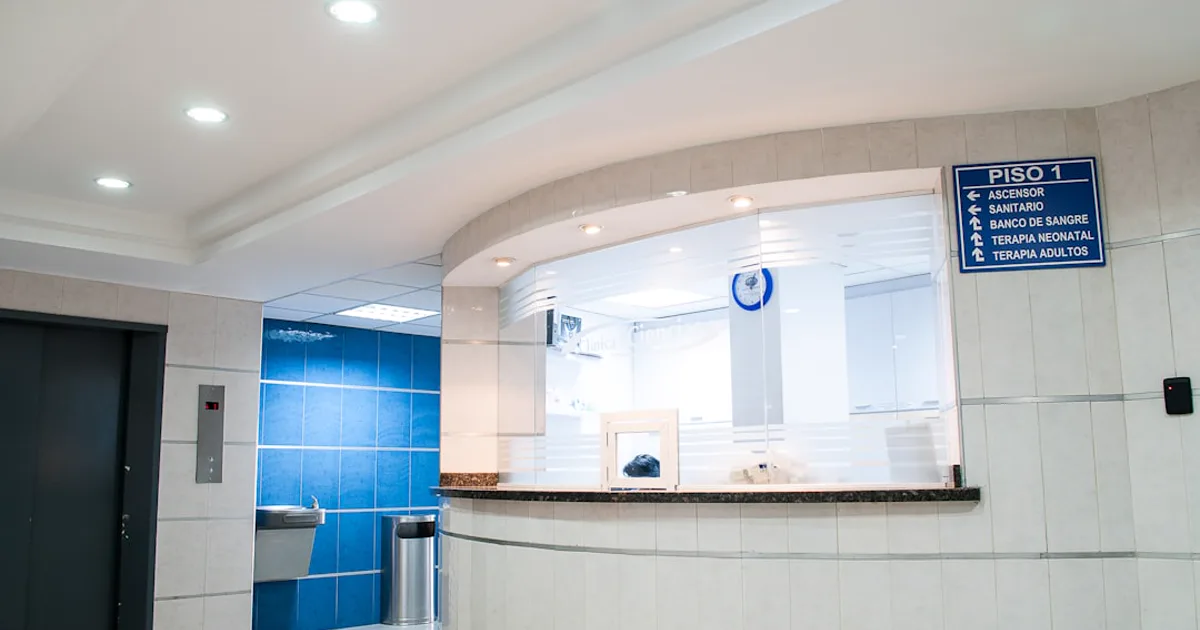
Medical & Dental Office Cleaning Standards: A Facility Manager's Guide
A medical or dental office looks like any other workplace to a cleaning crew, but the standard it is held to is not the same. Here is how CDC surface tiers, EPA-registered disinfectants, and OSHA's rules shape what proper cleaning looks like, and how to hold a commercial partner to it.
Green Commercial Cleaning, Explained: What It Means and How to Vet a Provider
"Green cleaning" appears on nearly every janitorial proposal, but the term is unregulated and often means very little. Here's what green commercial cleaning actually involves, which certifications carry real weight, how to spot greenwashing, and the questions that separate a substantiated program from marketing language.
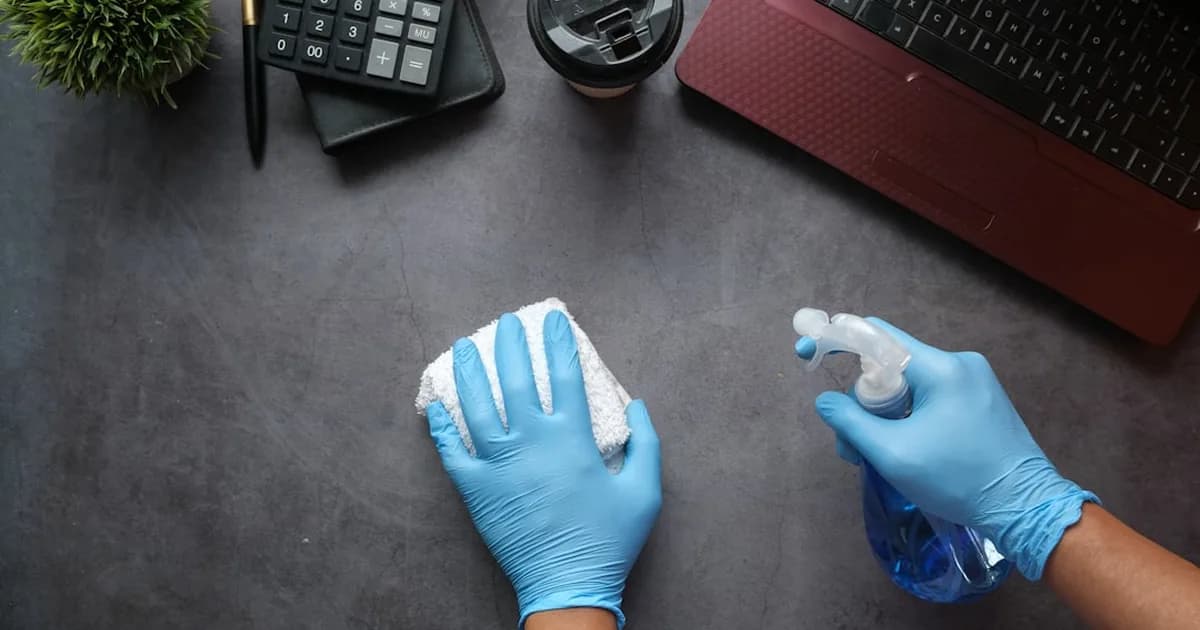
Office Cleaning Checklist for Businesses: Daily, Weekly, and Monthly Tasks
A clear office cleaning checklist keeps your workplace consistently clean and your team or vendor accountable. This guide breaks the work into daily, weekly, and monthly tasks, explains cleaning versus disinfecting, and shows how to use the checklist to evaluate a commercial cleaning provider.
Janitorial Services

Commercial Floor Care Programs: Daily, Interim, and Restorative Work Explained
Most buildings do not have a floor care problem — they have a floor care schedule problem. Floors look acceptable for eight months and then suddenly look like they need replacing. A commercial floor care program is simply three tiers of work — daily, interim, and restorative — assigned to each floor surface at a defined frequency. This guide explains what each tier covers, how traffic and floor type set the intervals, where slip resistance and documentation fit, what the program costs, and how to scope it into a janitorial contract.

Day Porter Duties Checklist for Commercial Properties
Day porter service shows up on almost every commercial cleaning proposal, usually as a line item with no definition behind it. Two bids for the same building can differ by twenty hours a week and nobody notices until service starts. This checklist walks through a porter's shift the way it actually runs — opening round, restroom loop, touchpoint round, trash and reset work, and the unscheduled response that fills the rest of the day — then covers how to size the hours and turn the list into contract language.
Cleaning Chemicals in Your Building: What to Ask Your Janitorial Provider
Before a janitorial crew works in your building, ask about the chemicals. Here are the questions on safety data sheets, disinfectants, mixing, ventilation and green claims.
Janitorial Employee Background Checks: What to Ask a Cleaning Company
Cleaning crews often work in your building with keys and codes and few staff around. Here is what to ask a cleaning company about employee screening, what the law asks of them, and how to read the answers.

Janitorial Staffing Ratios: Cleaners Per Square Foot Explained
Facility managers usually ask how many cleaners a building needs, but square footage alone can't answer that. A janitorial staffing ratio is really a productivity rate — the cleanable square feet one worker covers per labor hour — and crew size is what falls out of it. This guide breaks down the three inputs that set the number, typical coverage ranges by facility type, how to check whether a bid's staffing assumptions hold up, and what an understaffed account quietly costs your building.
Strip and Wax vs. Burnishing: How to Build a VCT Floor Care Schedule
Strip and wax and burnishing show up as separate line items on most janitorial bids, and facility managers often treat them as competing options. They are two ends of one program. Stripping removes and rebuilds the finish system in a single disruptive event; burnishing reconditions the finish you already paid for. Getting the ratio right is what controls both your floor care budget and your downtime, and in older buildings it also determines which methods are lawful in the first place.
Day Porter vs. Nightly Janitorial: Which Does Your Facility Need?
A day porter keeps your building presentable while it's busy; a nightly janitorial crew resets it after close. Here's how the two commercial cleaning models compare on scope, timing, and cost — and how facility type and foot traffic decide which one your building actually needs.

Janitorial vs. Commercial Cleaning: What's the Difference?
Facility managers often hear "janitorial" and "commercial cleaning" used interchangeably, but they describe different things. Here's what each term actually covers, why they overlap, and a practical way to decide which service—or combination—your facility needs.
Post-Construction Cleaning
Post-Construction Cleaning Order of Work: Top-Down, Inside-Out
Clean ceilings before floors and the far end of the building before the exit. Here is the order of work for a post-construction clean, and where the trades fit.
Post-Renovation Office Cleaning: Reopening a Workspace Safely
A renovation can pass its punch list and still leave an office that is not ready for people. Fine drywall dust settles everywhere a broom cannot reach, new materials keep off-gassing for days, and an HVAC system that ran during demolition will redistribute dust for weeks. This guide walks facility managers through what post-renovation office cleaning actually covers, where construction dust hides, how to handle filters and ventilation, which cleaning methods are allowed, and a phased sequence for getting employees back in.
HEPA Vacuums in Post-Construction Cleaning: Why Fine Dust Needs Them
Fine dust is what remains once the debris is gone. Here is what OSHA, NIOSH and EPA say about HEPA vacuums, dry sweeping and cleaning order, plus questions to ask before move-in.
How Long Does Post-Construction Cleaning Take? Realistic Timelines
The post-construction clean sits directly between substantial completion and move-in, which means an underestimated clean becomes a delayed occupancy date. A small tenant buildout can be finished in a day; a large, heavily finished project needs a week or more. This guide gives working ranges by project type, breaks down the rough, final, and touch-up phases, explains why compliant dust removal takes longer than sweeping, and shows how to schedule the whole sequence backward from your occupancy date.
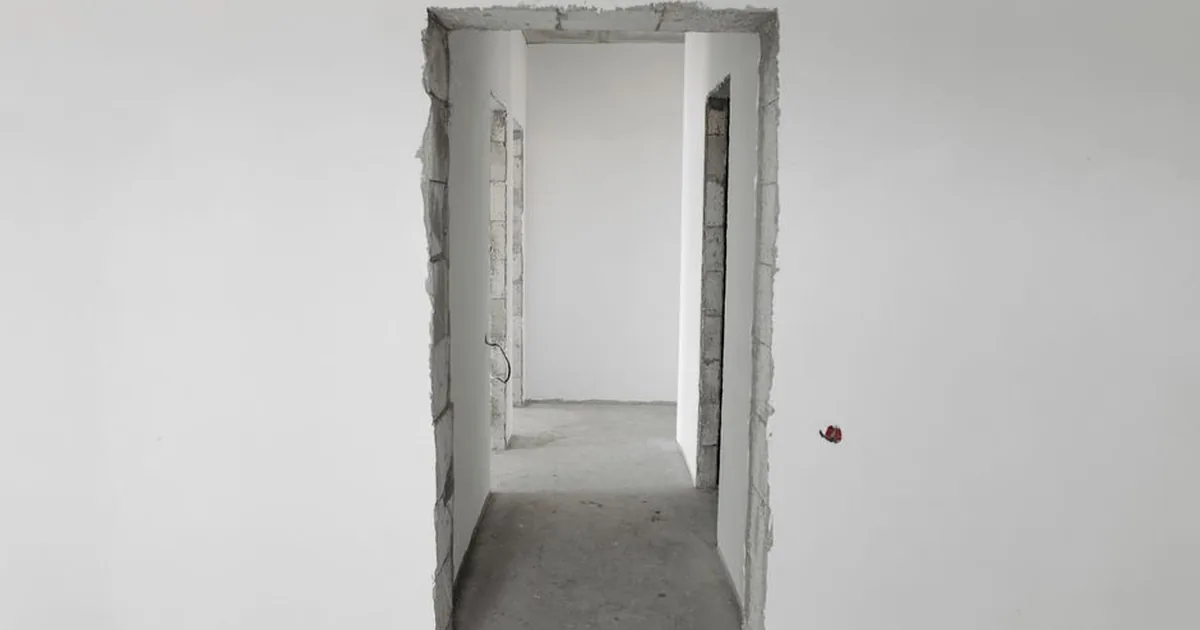
Post-Construction Cleaning Phases: Rough, Final and Touch-Up Cleans Priced
Post-construction cleaning is three visits, not one. Here is what the rough, final and touch-up cleans cover, what each costs per square foot, and how to read a phased quote.

Post-Construction Cleaning Walkthrough: Punch List and Sign-Off
The final cleaning walkthrough is where a building changes hands. Here is who should attend, what to inspect, how to write the punch list, and what the sign-off should say.
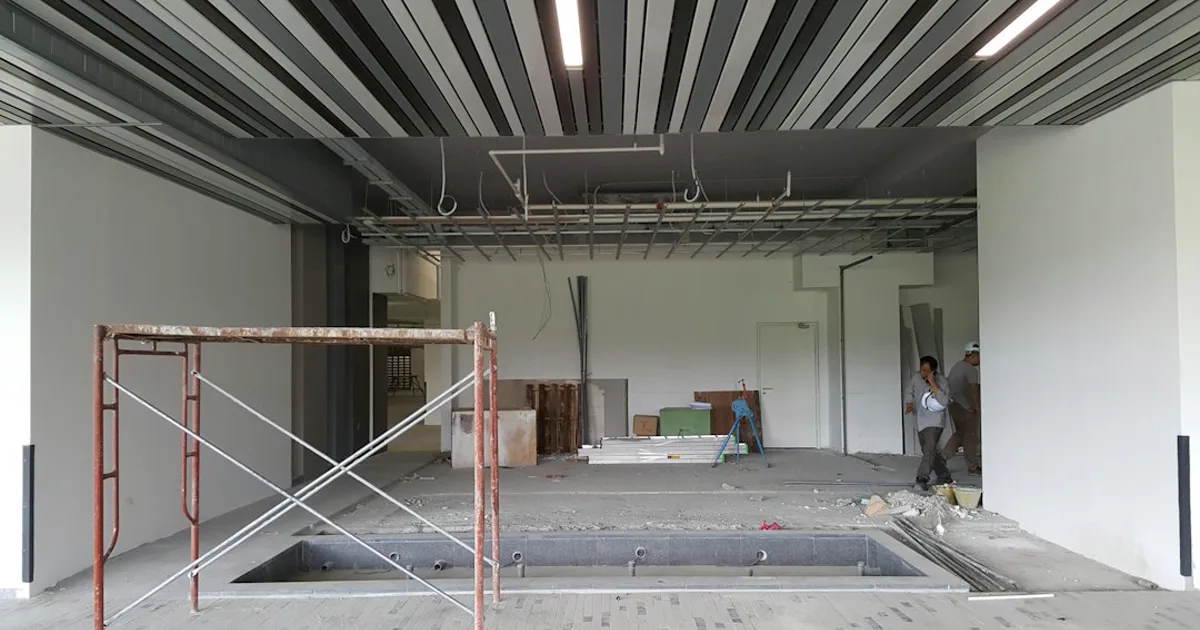
Construction Dust Removal: HVAC, Ducts, and Surface Cleaning
The punch list is signed and the finishes are in, but the building still fails the white-glove test. Construction dust is finer than ordinary facility dust, it keeps resettling for days, and where masonry or concrete was cut it is a regulated exposure hazard rather than a cosmetic one. Here is how construction dust removal is sequenced — protecting the HVAC system during the build, deciding whether the ducts genuinely need cleaning, and running the surface passes that hold.

Post-Construction Cleaning Checklist for General Contractors
The final clean is the last thing standing between a general contractor and substantial completion, and it is usually the least precisely scoped item on the schedule. This phase-by-phase checklist covers what belongs in the rough clean, why construction dust control is a regulated activity rather than a labor line, the HVAC steps that have to happen before occupancy, and how to hand a cleaning vendor enough detail to return a comparable number.

Post-Construction Cleaning Phases Explained
A finished building isn't a usable one until the dust and debris are gone. Post-construction cleaning runs in three distinct phases—rough, final, and touch-up—each with its own purpose. Here's what happens in each, how crews handle silica dust safely, and what to ask before you hire a commercial cleaning partner.
Apartment & Multifamily Cleaning

HOA Common Area Cleaning: Scope, Frequency, and Budgeting
Common area cleaning is the HOA expense every owner sees every day, and the one most often left vague in the contract. This guide breaks down which zones belong in the scope, how to write tasks and frequencies that hold up under scrutiny, what actually moves the price, and how to split the recurring, periodic, and contingency pieces across a fiscal year budget.

Apartment Common Area Cleaning Schedule: A Property Manager's Guide
Common areas are the part of an apartment property every prospect and every resident walks through, and the part most likely to get cleaned reactively. This guide shows property managers how to build a written common area cleaning schedule in frequency tiers, what each zone actually needs, where federal guidance gives you a number and where it doesn't, the OSHA housekeeping and inspection duties sitting underneath the schedule, the Minnesota winter layer, and how to price the hours.
Apartment Turnover Cleaning Cost Per Unit: 2026 Price Guide
Turnover cleaning is one of the few line items a property manager pays dozens of times a year without ever seeing how the number was built. This guide breaks down what a per-unit make-ready price actually buys, typical 2026 ranges by unit size and condition, the wage and overhead math underneath a quote, and the federal thresholds where a cleaning job stops being a cleaning job and becomes a remediation scope with its own budget line.
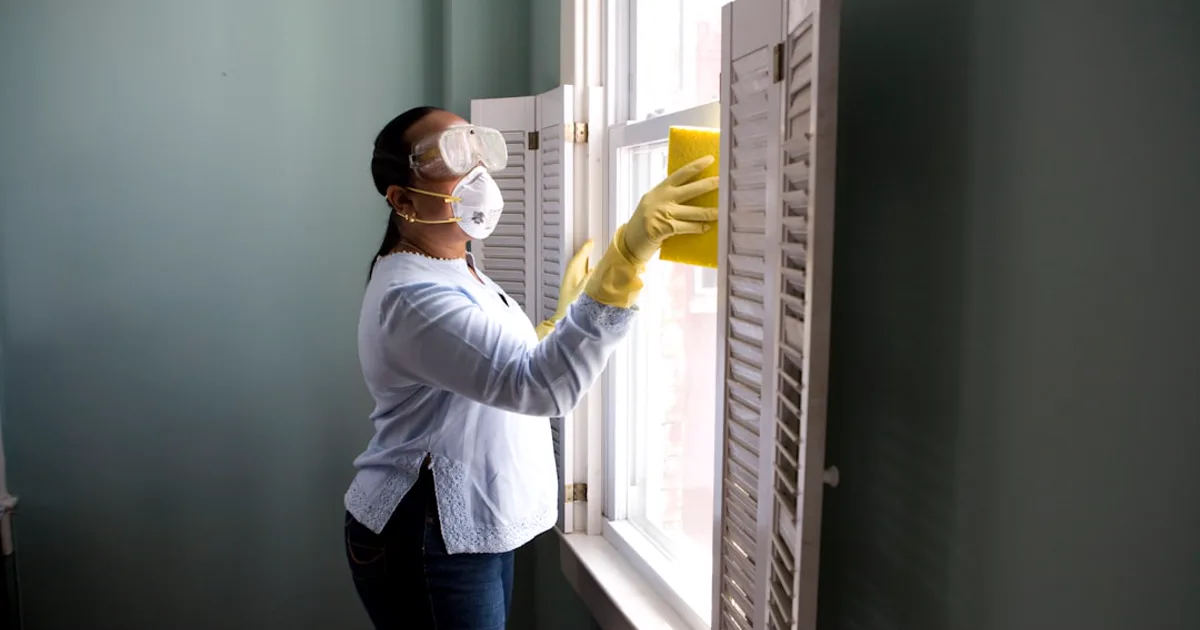
Apartment Turnover Cleaning Checklist for Multifamily Properties
Every vacant unit is lost revenue until it's leased again. This apartment turnover cleaning checklist walks property and facility managers through a repeatable, room-by-room make-ready process, plus when to clean versus disinfect, how to handle pest prevention and common areas, and the lead-safe rules that apply to older buildings.
Real Estate Cleaning

Move-In Cleaning vs Move-Out Cleaning: What's the Difference
Move-in and move-out cleaning show up as two line items on the same turnover budget, and property teams routinely order the wrong one or pay for the same scope twice. The difference is not a longer task list — it is depth, sequence, and who the clean is for. Here is what each scope actually covers, which costs belong in your operating budget versus a tenant chargeback, and where each clean belongs in the turnover timeline so the trades do not undo work you already paid for.

Pre-Listing Cleaning Cost: What Realtors Should Budget
Pre-listing cleaning is the lowest-cost lever an agent has on photo quality, and the line item sellers most often underestimate. This guide breaks down what a listing-prep scope actually covers, the labor math underneath a quote, realistic budget ranges by property size and condition, the add-ons that move the number, and the two walkthrough findings that stop being a cleaning job entirely.

Real Estate Listing Cleaning Checklist: Get a Property Showing-Ready
Before the photos go up and buyers walk through, a property needs more than a quick tidy. This room-by-room listing cleaning checklist covers what to deep clean, which high-touch surfaces to disinfect, how to handle vacant and renovated properties, and when it's worth bringing in a commercial crew.
Senior Living Cleaning

How to Choose Senior Living Cleaning Services: Questions to Ask Before You Sign
A practical guide for senior living administrators on choosing a cleaning provider: the plan, training, products, references, coverage and the written scope to ask for.

High-Touch Surfaces in Assisted Living: A Cleaning Checklist
Which surfaces residents touch most, how to clean and disinfect them in the right order, and how an assisted living community can write the routine down and check it.

Senior Living Resident Room Cleaning: Daily and Turnover Tasks
A resident room is someone's home, so cleaning works around people and belongings. Here is what daily cleaning covers and what a turnover clean adds after a move-out.
Assisted Living Cleaning Cost: Budgeting Guide for Operators
Most assisted living operators inherit a housekeeping budget instead of building one, then find the gap the first time a unit turn or an injury claim blows past the line item. There is no credible national per-unit price for senior living cleaning, so this guide walks through how to assemble the number yourself: the square footage behind each unit, what housekeeping labor actually costs once it is loaded, the budget categories most programs omit, and the compliance costs that are fixed whether you staff in-house or contract the work out.

Senior-Living Facility Cleaning Standards: A Facility Manager's Guide
Senior-living communities are held to a higher cleaning bar than a typical office. This guide breaks down what those standards cover — the difference between cleaning and disinfecting, how often high-touch surfaces need attention, how to choose EPA-registered disinfectants, and the OSHA rules that protect your cleaning staff — so you can build a documented, audit-ready program.
Warehouse & Industrial Cleaning
Food-Grade Warehouse Cleaning Standards and Audit Preparation
A food-grade warehouse can look immaculate and still fail an audit, because auditors grade the system behind the cleaning rather than the shine on the floor. This guide walks through the two regulatory rulebooks that apply to food storage facilities, how to zone a building by contamination risk, why water is a hazard in dry storage, what EPA label directions actually require of your sanitizer, and which records an auditor opens first. Written for facility and operations managers preparing for a third-party or customer audit.
OSHA Housekeeping Standard 1910.22 Explained for Warehouses
Most warehouse managers file 1910.22 under general tidiness. It is a performance standard with a named hazard list and an inspection-and-repair clause attached, and it applies to every aisle, dock, and mezzanine in the building. Here is what each paragraph requires, how those requirements read on a working warehouse floor, where snow and spills complicate things in Minnesota, and how to set a cleaning cadence you can defend.
Warehouse Floor Scrubbing Frequency: How Often Is Enough?
Ask three people how often a warehouse floor should be scrubbed and you'll get three answers, from every shift to whenever it looks bad. Federal standards don't settle it either — they describe a condition, not an interval. Here's what actually sets your frequency: traffic volume, vehicle type, soil load, floor finish, and dock exposure. Plus a four-tier zone model that gives different parts of one building different schedules, baseline ranges by warehouse type, and how to write it into a scope of work.
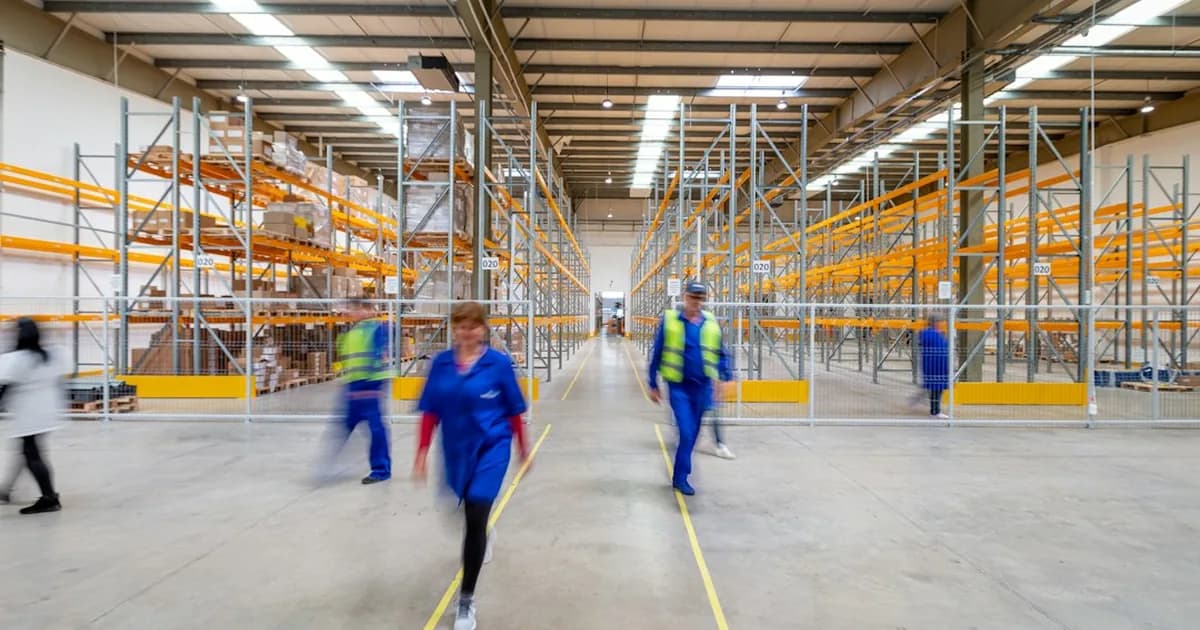
OSHA Warehouse Housekeeping Requirements: What 1910.22 Covers
OSHA's housekeeping rule for walking-working surfaces is short. Here is what 1910.22 requires of a warehouse, where 1910.176 takes over for aisles and storage, and where routine cleaning fits.
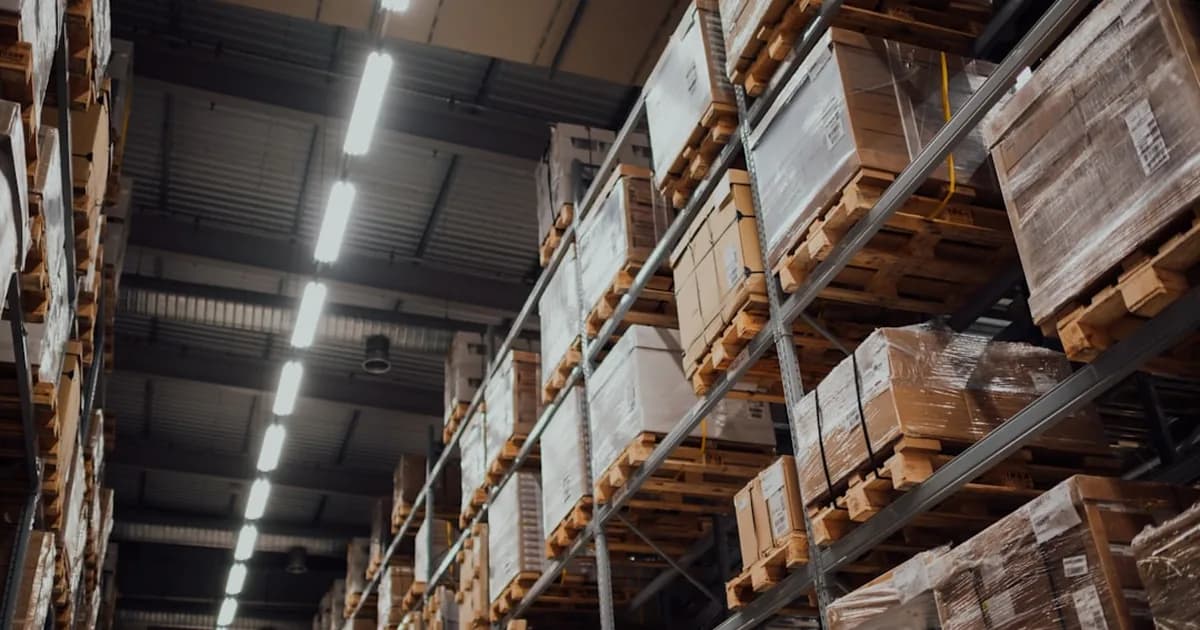
Warehouse & Industrial Cleaning Standards: What Facility Managers Need to Know
A warehouse floor is a working surface, an inventory asset, and a safety liability all at once. This guide breaks down the warehouse cleaning standards that govern industrial facilities — OSHA housekeeping and sanitation rules, shift-based floor and waste routines, combustible dust and chemical controls — and how to turn them into a housekeeping program you can actually maintain.
Cleaning Guides
Signs Your Office Needs More Cleaning Visits Per Week
A cleaning schedule built for last year's office can fall behind. Here are the signs your office needs more cleaning visits per week, and how to turn them into a new plan.
Commercial Cleaning Pricing Models: Per Square Foot, Hourly or Flat Rate
Per square foot, hourly or flat rate: how each commercial cleaning pricing model builds a quote, which jobs it fits, and how to line bids up before you sign.
Commercial Cleaning Cost by Facility Type: Office, Medical and Industrial Ranges
Office, medical and industrial buildings do not cost the same to clean. Here are the published per-square-foot ranges and the labor, scope and frequency factors behind them.
Cleaning Company Industry Experience: Questions to Ask Before You Sign
A crew that cleans a lobby well may not know a loading dock or a clinic corridor. These questions help facility managers test whether a cleaning company really knows their kind of building.

Matching a Janitorial Provider to Your Building Size and Locations
A janitorial proposal can look right on paper and still not fit your building. Learn how to match a provider to your footprint, your schedule and every location.
Background Checks for Commercial Cleaning Staff: What to Ask
Your cleaning crew may be the only group in the building with keys, fob access, and nobody watching. Most facility managers have never seen the screening policy that covers them. This guide walks through what a janitorial background check actually includes, the eight questions that get a straight answer out of a vendor, the federal process a compliant contractor has to follow, Minnesota's Ban the Box timing rule, and the documentation worth keeping in your vendor file.

Franchise vs Independent Commercial Cleaning Company: How to Compare
Two bids can carry the same monthly price and fund very different amounts of on-site labor. Here is what actually separates a franchised commercial cleaning unit from an independent operator — who employs the crew, where your dollars go before a shift is scheduled, whose approval a scope change needs, and which insurance certificate matters. Plus the verification steps that apply to both models before you sign anything.

Commercial Cleaning Price Increases: What Is Reasonable in 2026
Your cleaning renewal arrived and the rate went up. The useful question isn't whether an increase is unwelcome — it's whether this one is defensible. Federal compensation and inflation data give facility managers a real benchmark for 2026, and the gap between a routine adjustment and an increase that needs explaining is narrower than most budget conversations assume. Here's what the numbers say, where the cost pressure actually comes from, and how to review a notice before you sign it.
Electrostatic Spraying for Offices: How It Works and What It Costs
Electrostatic spraying shows up on janitorial proposals as a tidy per-square-foot add-on, and most facility managers approve or decline it without really knowing what they are buying. This guide walks through how the charged-droplet technology actually works, what independent EPA testing found about its coverage and contact-time limits, what offices typically pay for it as a recurring or one-off line item, and the handful of questions worth asking a provider before you sign off on it.
Commercial Cleaning Service Level Agreements (SLAs) Explained
Most cleaning problems are not contract problems. They are gaps in the service level agreement — the exhibit that says what gets cleaned, how often, to what standard, and what happens when a standard is missed. This guide walks through what a commercial cleaning SLA actually is, how it differs from the contract and the scope of work, the sections it should contain, how performance gets verified, and what a realistic agreement costs to staff.
Commercial Cleaning Budget Template: A Line-by-Line Worksheet
Most facility cleaning budgets are last year's number plus a percentage, which is exactly why they over-run. A commercial cleaning budget template breaks the total into six buckets you can each justify, adjust, or defend in a budget review — labor built from hours rather than guesses, consumables priced against occupancy, periodic work scheduled by cycle, the OSHA compliance floor that cannot be cut to zero, equipment reserve, and a named contingency. Here is the worksheet, line by line, and how to turn it into bids you can actually compare.

Janitorial Service Level Agreement: How to Measure a Cleaning Contract
A cleaning contract that only says 'clean the office' is hard to enforce. See how a janitorial service level agreement sets standards, inspections, reports and remedies.
Commercial Cleaning Company References: How to Check Past Clients
A proposal tells you what a cleaning company promises. A past client tells you what happened. Here is how to ask for references, what to ask them, and how to verify the rest.

Commercial Cleaning Contract Length: Month-to-Month vs Annual
Most facility managers treat cleaning contract length as a question of how long they're locked in. It's really a question of price and leverage. Here's what a month-to-month term actually buys you, what an annual agreement actually buys you, and why the renewal, notice, escalation, and termination clauses deserve more of your review time than the number of months on the signature page.
One-Time Commercial Cleaning Cost: Deep Clean Pricing Guide
A one-time deep clean rarely matches the per-square-foot numbers you find online, because project work is priced on condition rather than area. This guide breaks down what a one-time commercial cleaning scope actually covers, the three structures providers use to price it, the five factors that move your quote the most, which add-ons sit outside the base bid, and how to put competing proposals on equal footing before you sign anything.

How to Write a Commercial Cleaning RFP: Template and Tips
Four cleaning bids on the same building can land anywhere from $1,400 to $4,900 a month — usually because each bidder priced a different job. A written RFP is what makes those numbers comparable. Here is the document section by section: facility profile, a task-and-frequency scope of work, insurance and OSHA submission requirements, product specifications you can actually verify, and an evaluation structure that scores more than price.

Why Commercial Cleaning Quotes Vary So Much: 9 Cost Drivers
You asked three companies to quote the same building and got three numbers that are nowhere near each other. That spread is usually information, not markup. A commercial cleaning quote is a staffing estimate in disguise, and nine variables — square footage, facility type, frequency, scope depth, local wages, compliance overhead, supplies, floor mix, and disinfection level — account for most of the difference. Here is how each one moves the number, and what to send bidders so the quotes come back genuinely comparable.

Commercial Cleaning Frequency by Facility Type: How Often Is Enough?
Most buildings inherit their cleaning frequency from whoever signed the last contract — not from how the space is actually used. This guide breaks down what really sets frequency, the four tiers every schedule is built from, and typical service levels for offices, warehouses, multifamily common areas, retail, and senior-living facilities, plus how to right-size the number of visits against your budget without the building showing it.

Commercial Cleaning Company Red Flags Facility Managers Miss
Most janitorial contracts don't fall apart at the walkthrough. They fall apart in month four, and the warning signs were sitting in the bid packet the whole time. These five commercial cleaning company red flags survive a normal vetting process because each one only surfaces when you ask a second question — about coverage you can verify, labor math that adds up, safety documentation that exists on paper, disinfection claims the product label actually supports, and a scope specific enough to hold a vendor to.

How to Switch Commercial Cleaning Companies Without Downtime
Most facility managers stay with a cleaning company they are unhappy with for one reason: they are afraid of the Monday morning nobody cleaned. That gap is almost always a sequencing problem, not a vendor problem. This guide walks through what to document before you make a call, which four clauses in your current contract set your timeline, how to write a scope of work that makes replacement bids comparable, how to verify a new vendor at the source, and how to overlap the handoff after hours so the building never notices.

Small Office Cleaning Cost: Pricing for Under 5,000 Sq Ft
Most commercial cleaning cost guides are written for large facilities, which leaves the owner of a 2,800 square foot suite budgeting off numbers that do not apply. Below about 5,000 square feet, the per-square-foot rate climbs rather than falls, and most providers carry a per-visit minimum. This guide lays out realistic per-visit and monthly ranges for small offices, the labor cost sitting underneath every quote, the five variables that actually move your price, and three worked sample budgets.
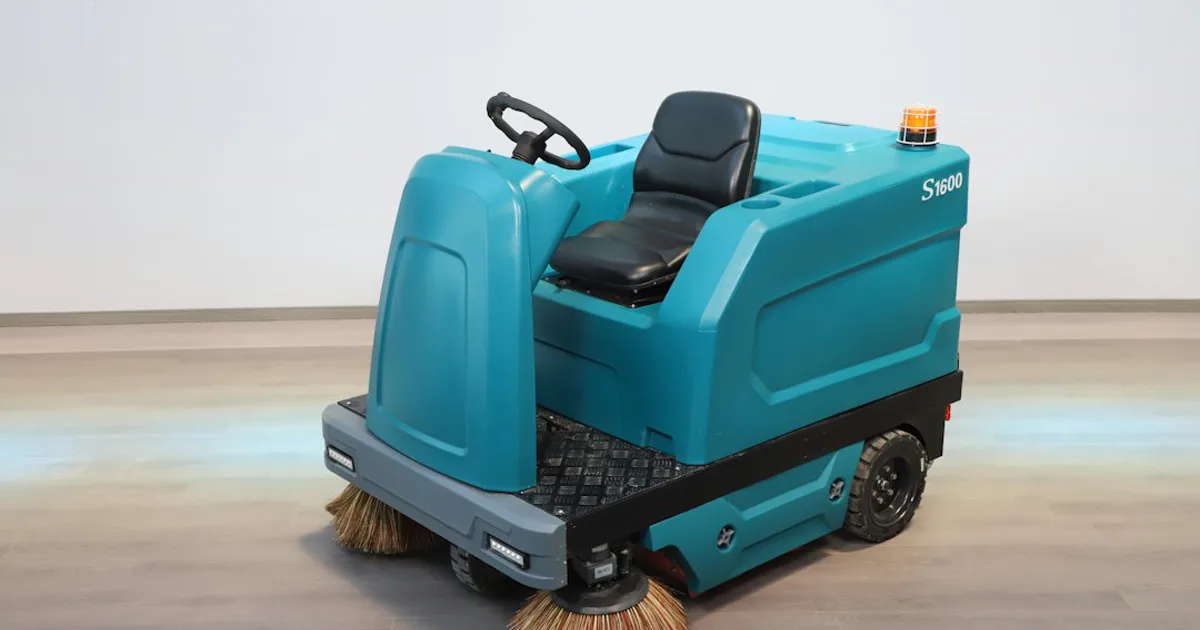
Commercial Floor Stripping and Waxing Cost Guide for 2026
Two bids on the same floor can differ by double, and it usually isn't because one vendor is padding the number. Commercial strip-and-wax is priced on condition, coat count, and access hours, not just square footage. This guide walks through what the work actually involves, the per-square-foot ranges facilities are paying in 2026, why specialty floor labor costs more than general janitorial labor, and the three things to get in writing before you sign a floor care proposal.
Deep Cleaning vs Regular Office Cleaning: Scope and Cost
Two quotes for the same office can differ by a factor of three, and the reason is usually that one is priced as recurring service and the other as a deep clean. They are two different products, not two tiers of the same one. Here is what each scope actually covers, why recurring work is quoted as a rate while deep cleaning is bid as a project, how often a typical office needs the intensive version, and how to schedule both so neither does the other's job.
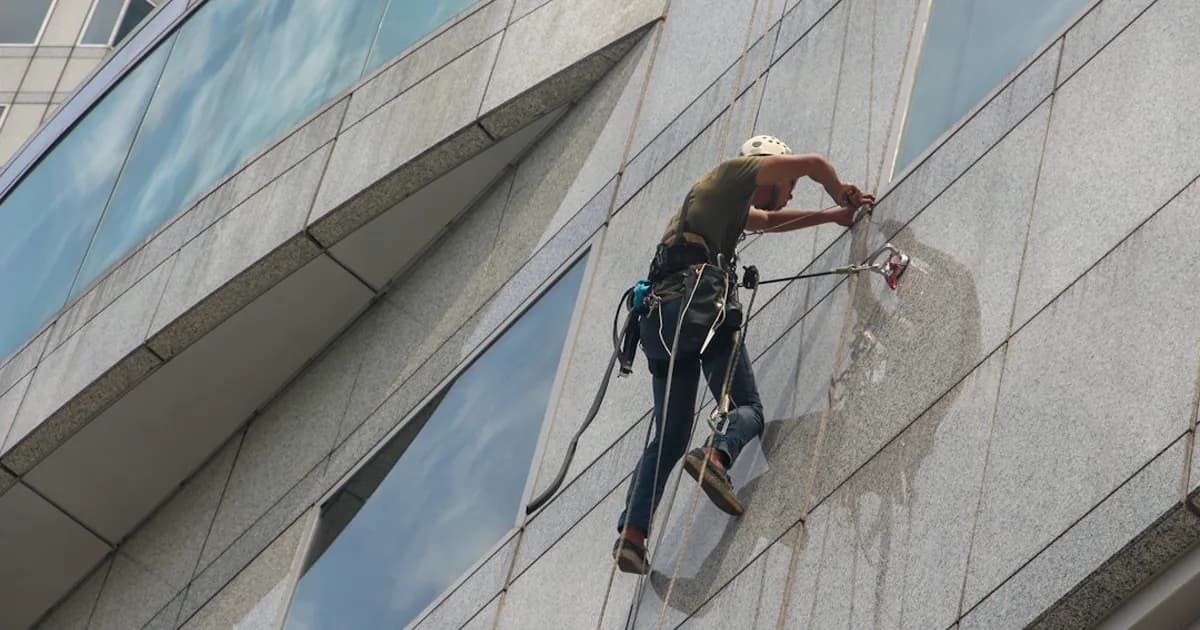
Commercial Window Cleaning Cost: What Buildings Pay in 2026
Two contractors can quote the same building and land three times apart — and the glass is almost never the reason. This guide breaks down what commercial window cleaning actually costs in 2026, the three pricing units contractors use and what each one signals, why access method matters more than pane count, the OSHA roof-anchor certification that falls on the building owner, and the seven line items that make competing bids genuinely comparable.

In-House Janitor vs. Outsourced Cleaning: The Real Cost Comparison
A cleaning contract arrives as one monthly number. An in-house janitor arrives as an hourly wage — and that wage is the smallest part of what the position actually costs. This guide rebuilds both sides of the in-house vs outsourced cleaning cost comparison in the same units, using federal wage and employer-cost data, and walks through the equipment, compliance, and coverage line items facility budgets routinely leave out.
How to Compare Commercial Cleaning Bids Side by Side
Three commercial cleaning bids arrive and the monthly prices range from $1,400 to $3,900 — but none of the proposals are organized the same way. The spread almost never means one company is three times better. It means three contractors priced three different jobs. This guide walks facility managers through fixing the scope first, converting every bid to a common unit, building a comparison matrix, checking the labor math against federal wage data, and verifying OSHA and insurance obligations before a contract gets signed.

What Is Included in Standard Commercial Cleaning Services?
Two cleaning bids for the same building can differ by 40 percent, and the reason is rarely the hourly rate — it's what each proposal quietly left out. Commercial cleaning names a category, not a defined deliverable. Here's the five-task-group core scope behind nearly every contract, how daily, weekly, and quarterly tiers stack on top of it, where cleaning ends and disinfecting begins, and which services your provider will price as separate line items.
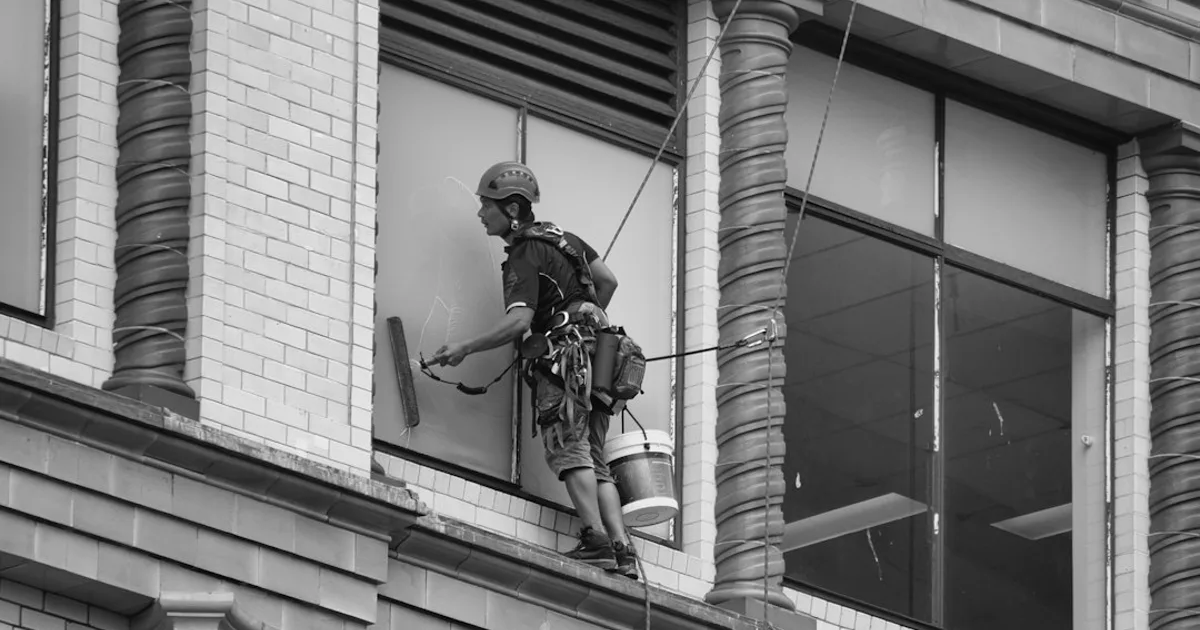
Commercial Cleaning Hourly Rate: 2026 National Averages
Ask three contractors for an hourly rate and you'll get three different numbers, none of which mean much on their own. This guide starts with the federal wage data underneath commercial cleaning labor in 2026, walks through everything stacked on top of a cleaner's wage to produce a billable hour, lays out working rate ranges by type of work, and explains what's usually missing when one bid comes in far below the rest.
Janitorial Service Pricing Models: Hourly, Flat Rate, and Per Square Foot
Two janitorial bids for the same building can arrive in completely different units — one quoted per cleaner-hour, the other in cents per square foot — with no obvious way to tell which is the better deal. The pricing model isn't a billing detail. It decides who absorbs the risk when the work runs long. Here's how hourly, flat-rate, and per-square-foot pricing are actually built, what sits inside any rate besides wages, and how to normalize competing quotes so you're comparing the same thing.
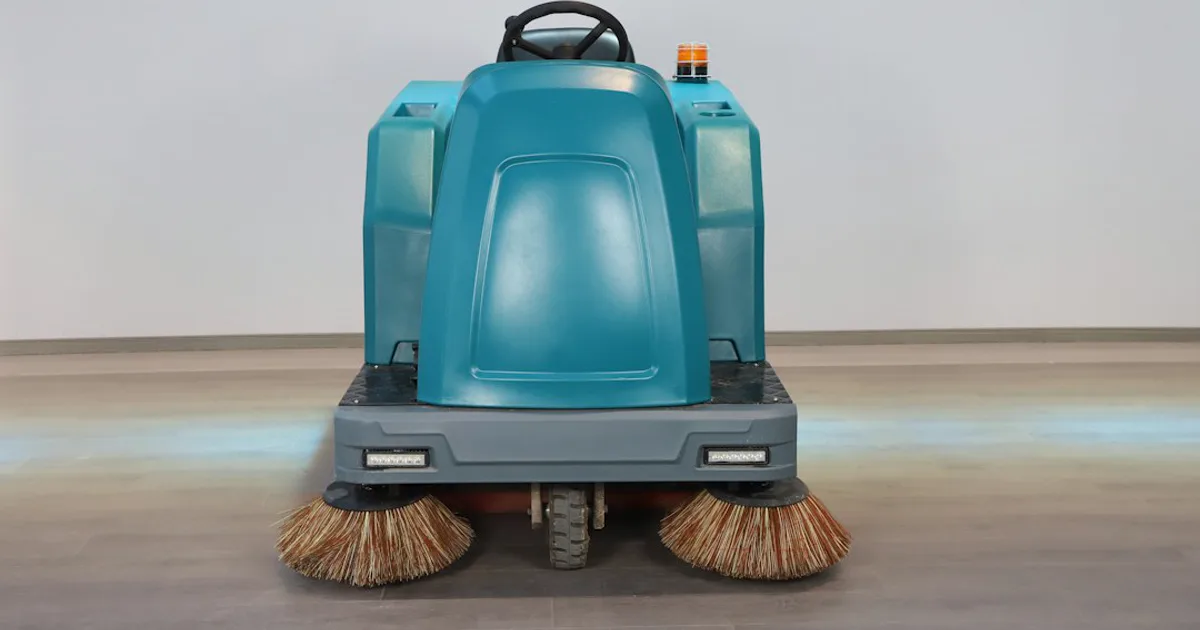
20 Questions to Ask a Commercial Cleaning Company Before Hiring
Most facility managers pick a cleaning vendor on price and a handshake, then find the gaps in month three. These twenty questions are organized by what they protect you from: financial exposure, crew churn, compliance risk, chemical misuse, and scope disputes. Each one has an answer you can verify — a certificate you can call about, a training program you can read, a contact time you can check against the crew's actual route.

Office Cleaning Cost Per Month: What Businesses Pay in 2026
Three bids on the same office can come back hundreds of dollars apart, and none of them explain why. This guide lays out what office cleaning actually costs per month in 2026 by square footage and frequency, breaks down the three pricing models providers use, shows which building factors move your number most, and gives you a checklist for normalizing quotes that look nothing alike on paper.
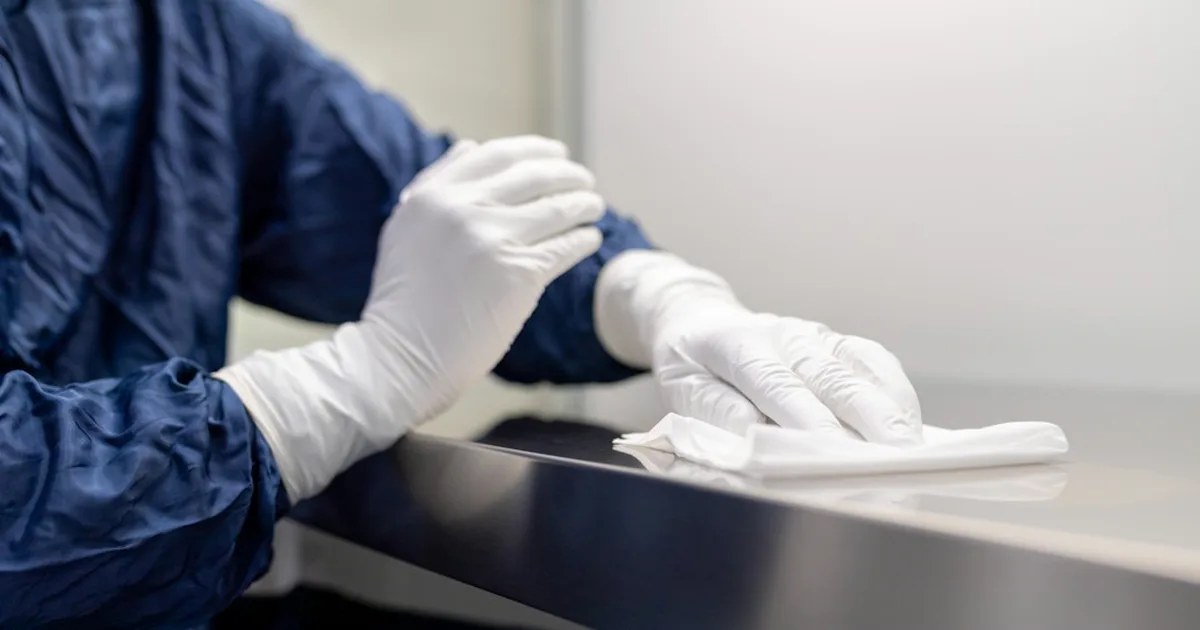
Commercial Cleaning Cost Per Square Foot: 2026 Pricing Guide
Three bids on the same building can range from $900 to $2,100 a month, and none of them is wrong — they scoped three different jobs. Cost per square foot is the one metric that makes commercial cleaning quotes comparable, but only if you know what sits behind it. Here are the 2026 ranges by facility type, the five variables that actually move your rate, and how to read competing bids side by side.
Cleaning vs. Sanitizing vs. Disinfecting: What's Actually Different
Facility walkthroughs and janitorial bids use cleaning, sanitizing, and disinfecting as if they were synonyms. They're three different processes with three different costs, three different labor profiles, and three different regulatory footprints. Here's what each one actually does, what the product label is telling you, how to assign the right level to each zone in your building, and what OSHA expects of whoever is handling the chemicals.

Commercial Cleaning Contract Scope of Work: What to Look For Before You Sign
Two janitorial proposals can land within a hundred dollars of each other and buy very different amounts of work. The difference is almost never in the price — it is in the scope of work, the document that says which tasks get done, where, how often, and to what standard. Here is how facility and property managers in the Minneapolis North Metro read a cleaning scope before signing, and which clauses decide how easily you can leave if the service slips.

How to Choose a Commercial Cleaning Company in Maple Grove, MN
Choosing a commercial cleaning company in Maple Grove is a decision about reliability and liability, not just price. This guide covers how to verify insurance and bonding, confirm OSHA and EPA compliance, read a bid, and vet crews before you sign a janitorial contract.
Commercial Cleaning Cost in Maple Grove, MN: 2026 Price Guide
Budgeting for office or facility cleaning in Maple Grove? Here's what commercial cleaning actually costs in 2026 — per square foot, per hour, and per month — plus the factors that move your quote and how to compare bids before you sign.
How to Choose a Commercial Cleaning Company in St. Paul, MN
Hiring the wrong commercial cleaner costs a St. Paul facility in downtime, liability, and re-bidding. This guide walks through what to verify — insurance and bonding, OSHA-aligned safety, product safety, and how to read a quote — so you can compare providers on value, not just price.
Commercial Cleaning Cost in St. Paul, MN: 2026 Price Guide
Budgeting a commercial cleaning contract in St. Paul without a reference point is guesswork. This 2026 guide breaks down what actually drives the price — square footage, frequency, scope, and local labor — the pricing models you'll see, and how to put competing janitorial quotes on the same footing before you sign.

How to Choose a Commercial Cleaning Company in Minneapolis, MN
Choosing a commercial cleaner in the Minneapolis North Metro is a facility-risk decision, not just a price comparison. This guide walks facility and office managers through verifying insurance and bonding, reading a bid, checking safety and compliance credentials, and asking the questions that separate a professional operator from a low-cost gamble.
Commercial Cleaning Cost in Minneapolis, MN: 2026 Price Guide
Budgeting for facility upkeep is hard without a number to anchor to. This 2026 guide breaks down commercial cleaning costs in Minneapolis and the North Metro—how pricing works, real ranges by building size, and the factors that move your quote up or down before you request bids.

How to Choose a Commercial Cleaning Company in Cambridge, MN
Hiring a commercial cleaning company in Cambridge, MN is a facility decision with real liability and budget stakes. This guide walks through the credentials to verify, the safety and product questions to ask, and how to compare quotes on value instead of price alone.
Commercial Cleaning Cost in Cambridge, MN: 2026 Price Guide
Wondering what commercial cleaning should cost in Cambridge, MN? This 2026 price guide breaks down per-square-foot and hourly ranges, the four factors that move your quote, what a professional bid actually includes, and how to compare estimates so you're paying for value—not just the lowest number.

How to Choose a Commercial Cleaning Company in Elk River, MN
Choosing a commercial cleaning company in Elk River, MN is a facility-operations decision with real stakes for your budget, liability, and uptime. Here's how to verify credentials, ask the right questions about staffing and products, and compare bids on value instead of price alone.
Commercial Cleaning Cost in Elk River, MN: 2026 Price Guide
Budgeting a cleaning contract in Elk River? This 2026 guide breaks down commercial cleaning cost per square foot, hourly and flat-monthly pricing, real monthly scenarios by building size, and how to read a quote so you pay for the scope you actually need.

How to Choose a Commercial Cleaning Company in Forest Lake, MN
Hiring a commercial cleaner in Forest Lake is a facility-risk decision, not just a line item. This vendor-neutral guide walks facility and property managers through the credentials, safety compliance, pricing logic, and written scope of work to check before signing — so you avoid missed cleanings, liability gaps, and constant turnover.
Commercial Cleaning Cost in Forest Lake, MN: 2026 Price Guide
Commercial cleaning quotes in Forest Lake can vary widely for the same building. This 2026 guide breaks down how office and facility cleaning is priced, the six factors that move your number, why local labor keeps north-metro rates near or above national midpoints, and what a professional quote should actually include.

How to Choose a Commercial Cleaning Company in Ramsey, MN
Picking a commercial cleaning company in Ramsey, MN comes down to more than the monthly price. This guide walks facility and property managers through the credentials, references, safety compliance, products, and pricing to verify before you sign — plus the exact questions to ask.
Commercial Cleaning Cost in Ramsey, MN: 2026 Price Guide
Budgeting for commercial cleaning in Ramsey, MN? This 2026 guide breaks down per-square-foot, hourly, and monthly price ranges, explains the five factors that move your quote, and shows why North Metro labor puts local rates at the higher end of national averages—so you can compare bids with confidence.
How to Choose a Commercial Cleaning Company in Anoka, MN
Choosing a commercial cleaning company in Anoka, MN comes down to more than the monthly price. This guide walks facility and office managers through the criteria that actually protect your building: proof of insurance and workers' comp, crew training and OSHA compliance, transparent pricing, cleaning-product safety, references, and a written scope of work—plus the local details that matter for a Minnesota winter.
Commercial Cleaning Cost in Anoka, MN: 2026 Price Guide
Commercial cleaning quotes in Anoka can vary widely, and it's hard to tell what a fair price looks like. This 2026 guide breaks down what drives the cost, how cleaning is priced per square foot and per hour, real ranges by facility type, and how to compare bids without overpaying.
How to Choose a Commercial Cleaning Company in Ham Lake, MN
Hiring a commercial cleaner in Ham Lake is a budget-and-liability decision, not a chore. This guide walks facility and office managers through the credentials to verify, the safety and training questions to ask, how cleaning products affect occupant health, and what belongs in a written scope — so you can compare providers with confidence.

Commercial Cleaning Cost in Ham Lake, MN: 2026 Price Guide
Commercial cleaning quotes in Ham Lake can vary widely for the very same building. This 2026 guide breaks down real per-square-foot, hourly, and monthly price ranges for the North Metro, explains what actually drives your number, and shows how to compare bids without overpaying or under-scoping your facility.
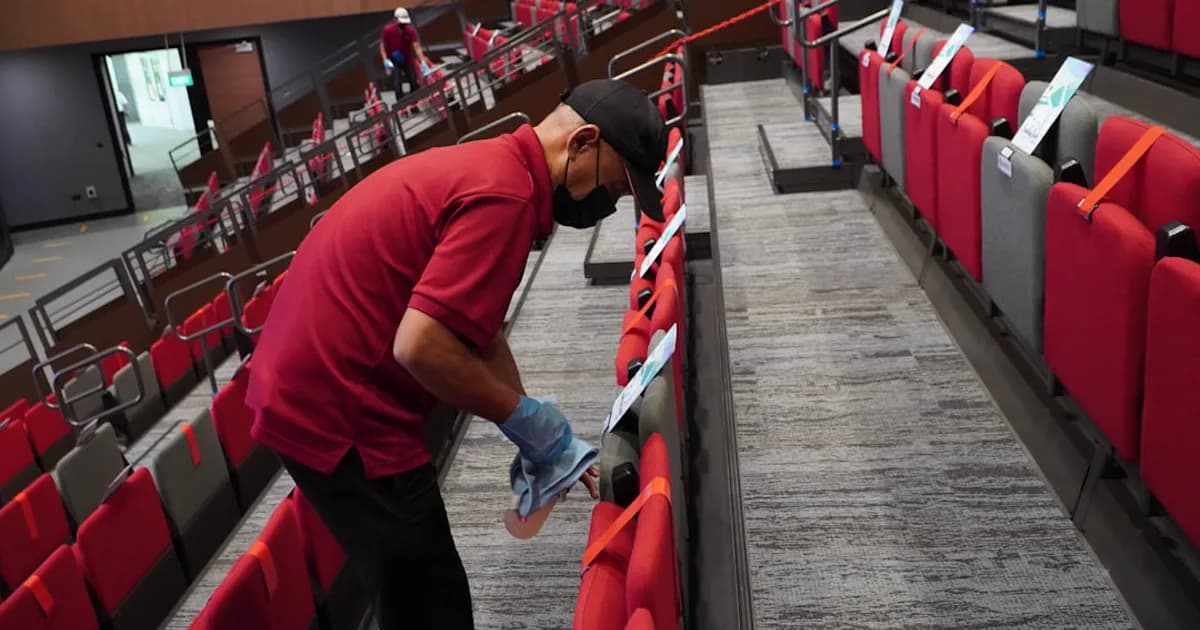
How to Choose a Commercial Cleaning Company in Andover, MN
Hiring the wrong commercial cleaning company shows up as complaints, liability, and re-cleaning — not savings. Here's a practical, repeatable way for Andover, MN facility managers to vet credentials, check products and safety, compare scope-matched bids, and account for Minnesota's winter realities before you sign.

Commercial Cleaning Cost in Andover, MN: 2026 Price Guide
Budgeting for commercial cleaning in Andover, MN? This 2026 guide breaks down how cleaning is priced, why North Metro labor and winter conditions push local rates above national averages, typical ranges by facility type, and how to get a quote you can actually trust.
How to Choose a Commercial Cleaning Company in Coon Rapids, MN
Choosing a commercial cleaning company in Coon Rapids is about reliability and liability, not just price. Here's a practical, vendor-neutral checklist: verify insurance and bonding, compare written scopes, ask about OSHA crew training and chemical safety, weigh green-cleaning options, and match the vendor to your facility type before you sign.

Commercial Cleaning Cost in Coon Rapids, MN: 2026 Price Guide
Wondering what commercial cleaning should cost in Coon Rapids? This 2026 guide breaks down real per-square-foot, hourly, and monthly price ranges, explains what drives your quote in the North Metro, and shows you how to compare bids fairly before you sign.
How to Choose a Commercial Cleaning Company in Blaine, MN
Hiring a commercial cleaner for your Blaine facility is a budget, reliability, and liability decision. Use this practical checklist to vet credentials, pin down the scope of work, get an honest estimate, ask the right questions about products and safety, and choose a local North Metro provider you can count on.
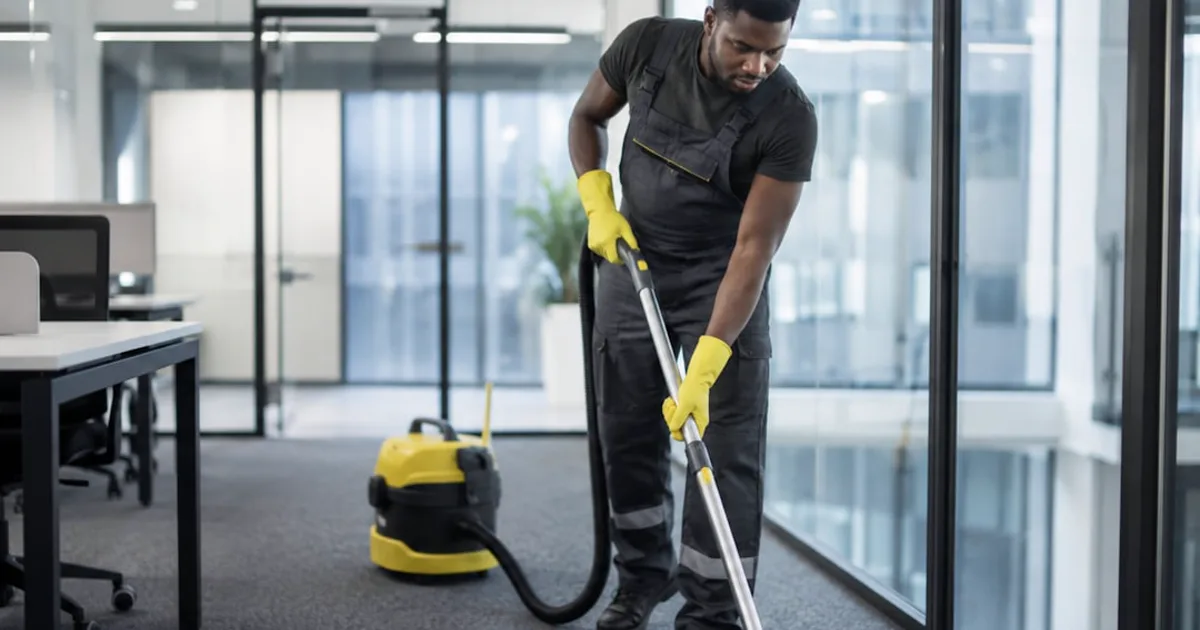
Commercial Cleaning Cost in Blaine, MN: 2026 Price Guide
Wondering what commercial cleaning should cost in Blaine, MN in 2026? This guide breaks down real per-square-foot and hourly ranges, the factors that move your price, how the common pricing models work, and how to get an accurate, walkthrough-based quote you can budget around.
How to Choose a Commercial Cleaning Company in East Bethel, MN
Choosing a commercial cleaning company in East Bethel comes down to more than price. This guide walks facility and property managers through verifying credentials, checking safety and training practices, matching the scope to your building, and comparing bids honestly before you sign a contract.
Commercial Cleaning Cost in East Bethel, MN: 2026 Price Guide
There's no single price for commercial cleaning in East Bethel — it's a function of your square footage, facility type, cleaning frequency, and scope, set against North Metro labor rates. This 2026 guide breaks down what actually drives your quote, the three common pricing models, and how to compare bids so you don't overpay or underscope.
What to Expect From a Commercial Cleaning Walkthrough & Quote
Before a commercial cleaning company can price your building, they need to see it. Here's what happens during the walkthrough, how the quote gets built, and how to compare bids so you're choosing on scope and value — not just the lowest number.
Sorority & Fraternity Move-Out Cleaning: A Chapter House Turnover Guide
When the last resident leaves in spring, a chapter house has to be handed back clean, safe, and inspection-ready before fall recruitment. This guide walks house corporations, university housing offices, and property managers through what makes a Greek house move-out different, a room-by-room turnover checklist, summer-vacancy risks, and how to budget and schedule the job.

Insured and Bonded Cleaning Company: What It Really Means
Nearly every cleaning company calls itself insured and bonded, but few facility managers can say what those words actually protect them from. This guide separates the two, explains what each covers, and shows you exactly how to verify a vendor's claims before you sign a commercial contract.
How Often Should an Office Be Professionally Cleaned?
There is no single answer to how often an office should be professionally cleaned, but the factors are predictable. This guide breaks down a tiered daily, weekly, monthly, and quarterly schedule, explains what actually changes your frequency, and shows facility managers how to right-size a cleaning plan for their space.
Local & Seasonal
Office Deep Cleaning Cost in the Twin Cities: Spring Pricing
Spring deep-clean quotes in the Twin Cities often land 40 percent apart on the same building, and the spread usually comes down to scope and crew hours rather than one bidder being wrong. This guide breaks down what a deep clean actually covers, why Minneapolis-area cleaning labor runs about ten percent above the national mean, the three pricing models facility managers encounter, the five factors that move the number most, and how to normalize competing bids before you sign anything.

Fall Commercial Cleaning Checklist for Minnesota Facilities
In Minnesota, pre-winter facility work has a deadline that has nothing to do with your calendar — it ends at the first hard freeze. Exterior rinsing, floor refinishing, gutter clearing, and anything that needs water or dry time all stop being possible once temperatures stay below freezing. This checklist walks through what to finish this fall, in what order, and which items genuinely cannot wait until spring.

Winter Indoor Air Quality in Minnesota Offices: Filters, Vents and Dust
Winter indoor air quality in a Minnesota commercial building comes down to filters, vents and dust. Here is what EPA guidance says and who should handle each task.
Twin Cities Commercial Cleaning Labor Rates: A 2026 Overview
Facility managers comparing janitorial bids keep asking for the going hourly rate in the Twin Cities, and the honest answer is that no single number exists. Federal wage data sets one benchmark, Minnesota and two city ordinances set three different legal floors depending on the job-site address, and a burden stack of taxes, insurance, supervision, and newly required paid break time sits between a cleaner's wage and the figure on your invoice.

Commercial Entrance Matting in Winter: A Minnesota Facility Guide
In a Minnesota winter, the first fifteen feet inside your front door decide whether the rest of the building stays dry, safe, and presentable — and most buildings cover those fifteen feet with three feet of mat. This guide walks through the three-zone matting system, how to size walk-off matting by footsteps rather than by catalog, what construction details matter when chloride and freeze-thaw are involved, and the storm-driven service cadence that keeps matting working from November through April.
Removing Salt Stains From Office Carpet: A Minnesota Winter Guide
The white ring that reappears on the lobby carpet every January is not ordinary soil — it is chloride residue that wicks back to the surface every time the carpet is wetted and dried. This guide walks Minnesota facility managers through what ice melt residue actually is, why OSHA treats a damp entry floor as a housekeeping matter, the four-step removal sequence that pulls salt out instead of redistributing it, and the matting and deicer decisions that keep most of it outside the door.
Spring Cleaning Checklist for Minnesota Commercial Buildings
By the time the North Metro thaws, a commercial building has absorbed five months of de-icer, grit, tracked meltwater, and recirculated air. Spring is the one point in the calendar where all of it can be cleared in a single scope — and the one point where moving too early wastes the money. Here is a walkthrough-ordered checklist covering floors, entryways, HVAC changeover, moisture, and interior detail work, plus how to split it into scopes you can actually buy.

Ice Melt Damage on Commercial Floors: A Minnesota Prevention Guide
Ice melt is the one winter input you buy on purpose and then pay for twice — once at the spreader and again at the floor. Chloride residue tracked indoors abrades finish, hazes VCT and terrazzo, stiffens carpet fiber, and etches sealed concrete over a long Minnesota season. This guide covers what the residue actually does to each flooring type, how application rate drives it, the entryway system that intercepts it, and the daily routine that keeps it from setting.

Winter Floor & Entryway Care for Maple Grove Facilities: A Facility Manager's Guide
In a Maple Grove winter, the entryway is the riskiest floor in the building. This guide covers the OSHA liability picture, a layered matting system that stops tracked-in water, wet-floor cleanup routines, and how to protect your finishes from salt — plus how to build a schedule your team can actually run.

Winter Floor & Entryway Care for St. Paul Facilities: A Facility Manager's Guide
A St. Paul winter sends snowmelt, sand, and chloride salt across your floors on every pair of boots. This guide walks facility managers through what OSHA expects of winter walking surfaces, how a layered entrance matting system stops slips at the door, and how smart deicing protects both people and flooring — plus a practical winter care schedule for your building.

Winter Floor & Entryway Care for Minneapolis Facilities: A Facility Manager's Guide
From November through April, a single melting-snow puddle in a Minneapolis lobby is one of the most predictable liabilities a facility faces. This guide breaks down what OSHA and NIOSH expect from winter walking surfaces, how to build a layered walk-off matting system, how to run a storm-day maintenance routine, and how to protect your floors from salt and ice-melt damage — all backed by a documented schedule.

Winter Floor & Entryway Care for Cambridge Facilities: A Facility Manager's Guide
Long Minnesota winters put months of tracked-in snow, ice melt, and refreeze on your floors. Here's a practical guide to winter floor and entryway care for Cambridge facilities — matting, ice-melt management, finish protection, and knowing when to bring in a commercial partner.

Winter Floor & Entryway Care for Elk River Facilities: A Facility Manager's Guide
In Elk River, winter's biggest threat to your floors and your visitors walks in on the soles of everyone's boots. This guide covers the OSHA obligations, entrance-matting strategy, wet-floor housekeeping cadence, and de-icer discipline that keep a commercial facility safe and its flooring intact from the first snow to the spring thaw.
Winter Floor & Entryway Care for Forest Lake Facilities: A Facility Manager's Guide
In a Forest Lake winter, the ten feet just inside every door is the most dangerous floor space you manage. Here is how to control tracked-in snow and salt, meet your OSHA walking-surface duties, and protect your floors and finishes all season long.

Winter Floor & Entryway Care for Ramsey Facilities: A Facility Manager's Guide
In Ramsey, the few strides between the parking lot and your front desk absorb the worst of a Minnesota winter. This guide walks facility managers through entryway matting, slip prevention, de-icing salt damage, and a seasonal floor-care plan that keeps traffic safe and finishes intact.
Winter Floor & Entryway Care for Anoka Facilities: A Facility Manager's Guide
In an Anoka winter, the riskiest floor in your building is the fifteen feet just inside the front door. Here's how facility managers control tracked-in snow, slush, and deicing salt to prevent slip-and-fall liability and protect floor finishes all season.

Winter Floor & Entryway Care for Ham Lake Facilities: A Facility Manager's Guide
In a Ham Lake winter, the riskiest ten feet of any commercial building is just inside the front door. This guide walks facility managers through OSHA walkway obligations, a three-stage entryway matting system, smarter deicing, and protecting hard floors from salt and chloride damage all season.

Winter Floor & Entryway Care for Andover Facilities: A Facility Manager's Guide
When winter hits the north metro, your front door becomes the most hazardous few feet in the building. This guide walks Andover facility managers through entryway matting, protecting hard floors from ice-melt damage, choosing the right deicer, and building a wet-floor protocol that holds up to an OSHA standard.

Winter Floor & Entryway Care for Coon Rapids Facilities: A Facility Manager's Guide
Minnesota winters push snowmelt, road salt, and grit through every entrance in your building. This guide shows Coon Rapids facility managers how to protect floors, meet OSHA walking-surface obligations, build a multi-stage matting system, and deice without wrecking concrete or finishes.

Winter Floor & Entryway Care for Blaine Facilities: A Facility Manager's Guide
In a Blaine winter, the few square feet just inside every door are the hardest-working and riskiest surface in your building. This guide covers entrance matting, exterior snow and ice control, protecting interior floors from salt and snowmelt, and the wet-floor housekeeping that keeps a facility safe and compliant all season.
Winter Floor & Entryway Care for East Bethel Facilities: A Facility Manager's Guide
From the first November snow to the spring melt, every East Bethel doorway is both a slip hazard and a source of salt damage. This facility manager's guide covers walk-off matting, indoor wet-floor control and what OSHA expects, salt-smart deicing, and how to set a winter cleaning cadence that protects your floors.
Commercial cleaning by area
Find your county or metro area and the city nearest you.
Commercial cleaning in the Twin Cities North Metro: services & costs
View areaMinneapolis & West Metro, MNCommercial cleaning in Minneapolis & the West Metro: services & costs
View areaSt. Paul & East Metro, MNCommercial cleaning in St. Paul & the East Metro: services & costs
View areaSouth Metro, MNCommercial cleaning in the Twin Cities South Metro: services & costs
View areaReady for a quality clean?
Tell us about your space and get a clear, no-obligation estimate, usually within one business day.