Signs Your Office Needs More Cleaning Visits Per Week
A cleaning schedule built for last year's office can fall behind. Here are the signs your office needs more cleaning visits per week, and how to turn them into a new plan.
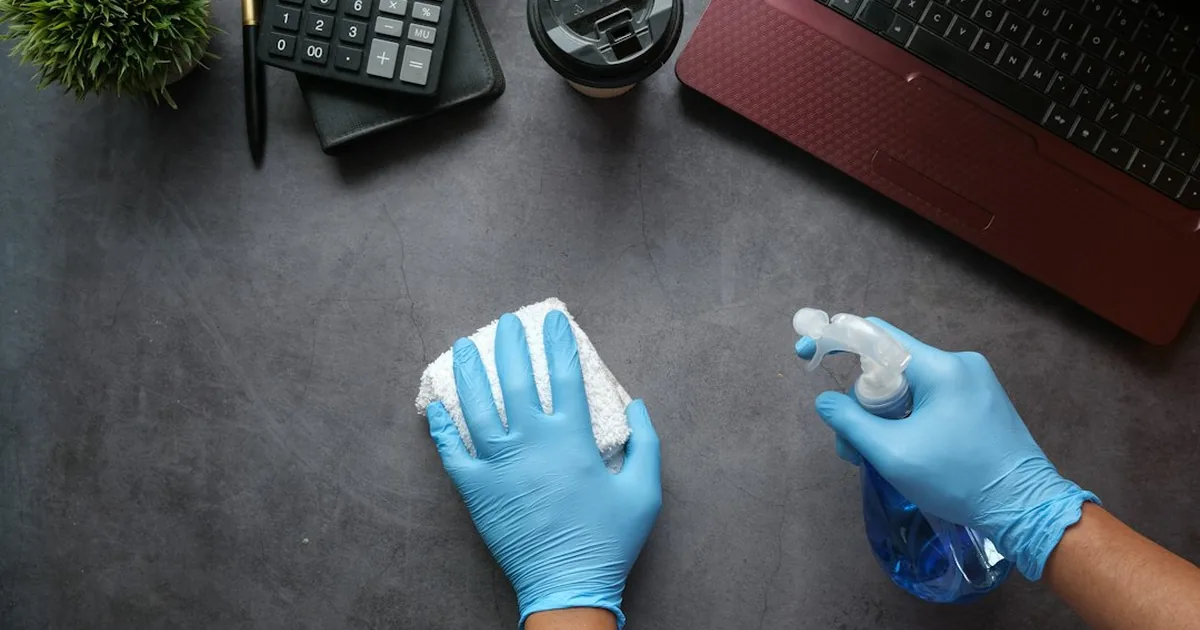
A cleaning schedule is a guess about how your office gets used. When it was written, the guess may have been right. Then the team grew, more people came in on the same days, or a new break room opened, and the same visits now have to cover more. Most managers sense the gap before they can name it. Here are the signs your office needs more cleaning visits per week, so you have something concrete to point to when you ask for a change.
What you see between visits
The easiest signs are the ones anyone can spot while walking the floor. Check the state of the office in the hours just before the cleaning crew arrives, not just right after they leave.
Trash, dust and clutter before the next visit
Trash cans that are full by midday, a film of dust on desks and ledges, and cluttered common areas all mean the work between visits has outgrown the time set aside for it. One bad day is a fluke. The same condition on the same weekday, week after week, is a scheduling problem.
CDC guidance for community buildings such as offices says to clean other surfaces when they are visibly dirty. If you keep seeing visible dirt before the next scheduled visit, you are already past the point where that advice says to act.
Smells that linger
A smell that survives the crew's visit is worth tracking. It can come from a trash room, a drain, a refrigerator or a restroom that gets more use than the routine assumes. If you notice the same smell in the same place more than once, write down where and on which day.
Break rooms and restrooms slip first
Shared rooms take the heaviest use, so they show strain before anywhere else. Sticky counters by Wednesday, restroom supplies that run out, a microwave that nobody wants to touch, and a refrigerator that needs attention between visits are all common. Staff notice these spaces more than they notice a vacuumed carpet, and complaints tend to start here.
If the same rooms are on your list every week, compare the visit frequency against how many people use them. Our break room cleaning schedule lays out what daily and weekly standards look like, which gives you something to measure your current routine against.
High-touch surfaces get more use than the schedule assumes
Door handles, light switches, shared printers, conference room tables, elevator buttons and restroom fixtures are touched all day. CDC notes that high-touch surfaces are more likely to spread germs and advises cleaning them regularly. It also says that in a high-traffic area you may choose to clean more frequently, and that the right frequency depends on the type of surface and how often it is touched.
Here is a simple test. List the surfaces your staff and visitors touch most, then ask how many times a week each one is cleaned. If a busy shared surface is only reached once or twice a week, that is a sign the schedule needs another visit or a task added to the visits you already have. For more on this, see our piece on high-touch surface cleaning in offices.
Your headcount or traffic has changed
Many frequency problems start with the building, not the crew. Ask what has changed since the schedule was set:
- More employees, or the same employees on fewer days, so each in-office day is busier.
- More visitors, clients or deliveries moving through the lobby and conference rooms.
- New shared spaces, such as a larger break room or a kitchenette on another floor.
- Longer hours in the building, which means more use of restrooms and common areas.
Entrances matter too. EPA notes that indoor dust includes soil and dust that has been blown or tracked indoors. In a Minnesota winter, salt and slush come in with every person, so a lobby that was fine in July can look worn by January. A busier front door is a good reason to add a visit or add floor work to the ones you have.
Dust and air complaints keep coming back
If staff mention sneezing, stuffy air or a dusty feel in the office, cleaning frequency is one thing to look at. EPA states that frequent cleaning and ventilation are effective ways to reduce dust and other pollutants. It also suggests dusting with a damp cloth so settled dust does not go back into the air.
Don't put every air complaint on the cleaning schedule. EPA says office air problems often come from pollution sources and from ventilation systems that are poorly designed, maintained or operated, and it asks workers to report a suspected problem to the building or facility manager. If dust returns quickly after cleaning, bring in whoever looks after the HVAC system as well. Our article on filters, vents and dust in Minnesota offices covers that side of the question.
Turning the signs into a new schedule
Once you've noticed a few of these signs, resist asking for more of everything. A short log makes the request sharper and can keep the scope tight.
- Record what you see. For two to three weeks, note the room, the day and the problem, such as full trash on Thursday afternoon or a restroom out of supplies on Wednesday.
- Look for patterns. Problems that cluster on certain days or in certain rooms point to where an added visit or task would help most.
- Decide between a new visit and a new task. Some offices need another full visit. Others only need restrooms, break rooms and high-touch surfaces added to a mid-week visit.
- Put it in writing. Update the scope so everyone agrees on what is cleaned and how often. A service level agreement is a good way to record this.
- Review again. Check back after a month to see whether the signs have faded.
If you are comparing providers or adjusting an existing plan, the commercial cleaning service areas page shows where Neat & Clean Co works in the Twin Cities and North Metro.
Your Office Cleaning Game Plan
The signs are practical ones: visible dirt before the next visit, shared rooms that decline midweek, busy surfaces that are cleaned too rarely, a building that now holds more people, and dust that keeps returning. Any one of them is worth a note. Several together mean the schedule no longer fits the office. Keep a short log, decide whether you need a new visit or added tasks, and write the change into your scope. When you are ready to talk through your facility, you can request an estimate.
Frequently Asked Questions
How do I know if my office needs more frequent cleaning?
Look for trash and dust that are visible before the next visit, restrooms and break rooms that decline midweek, more occupants or visitors than the schedule was built for, and repeat complaints from staff. A pattern that repeats on the same days is the clearest signal.
Should high-touch surfaces be cleaned more often than floors?
Often, yes. CDC advises cleaning high-touch surfaces regularly and cleaning more frequently in high-traffic areas, while other surfaces can be cleaned when they look dirty. Floors in a rarely used room can follow a lighter routine than a busy lobby.
Will more cleaning visits fix dust and air complaints?
They can help. EPA says frequent cleaning and ventilation reduce dust. Air problems can also come from ventilation and other pollution sources, so involve your facility manager as well as your cleaning provider.
This article is for general informational purposes only. Cleaning scope, frequency, and pricing vary by facility size, type, and condition. Service availability depends on your location within Neat & Clean Co's service area. Contact us for a quote specific to your facility.
Related articles
Commercial Cleaning Pricing Models: Per Square Foot, Hourly or Flat Rate
Per square foot, hourly or flat rate: how each commercial cleaning pricing model builds a quote, which jobs it fits, and how to line bids up before you sign.
Commercial Cleaning Cost by Facility Type: Office, Medical and Industrial Ranges
Office, medical and industrial buildings do not cost the same to clean. Here are the published per-square-foot ranges and the labor, scope and frequency factors behind them.
Cleaning Company Industry Experience: Questions to Ask Before You Sign
A crew that cleans a lobby well may not know a loading dock or a clinic corridor. These questions help facility managers test whether a cleaning company really knows their kind of building.