How Often Should an Office Be Professionally Cleaned?
There is no single answer to how often an office should be professionally cleaned, but the factors are predictable. This guide breaks down a tiered daily, weekly, monthly, and quarterly schedule, explains what actually changes your frequency, and shows facility managers how to right-size a cleaning plan for their space.
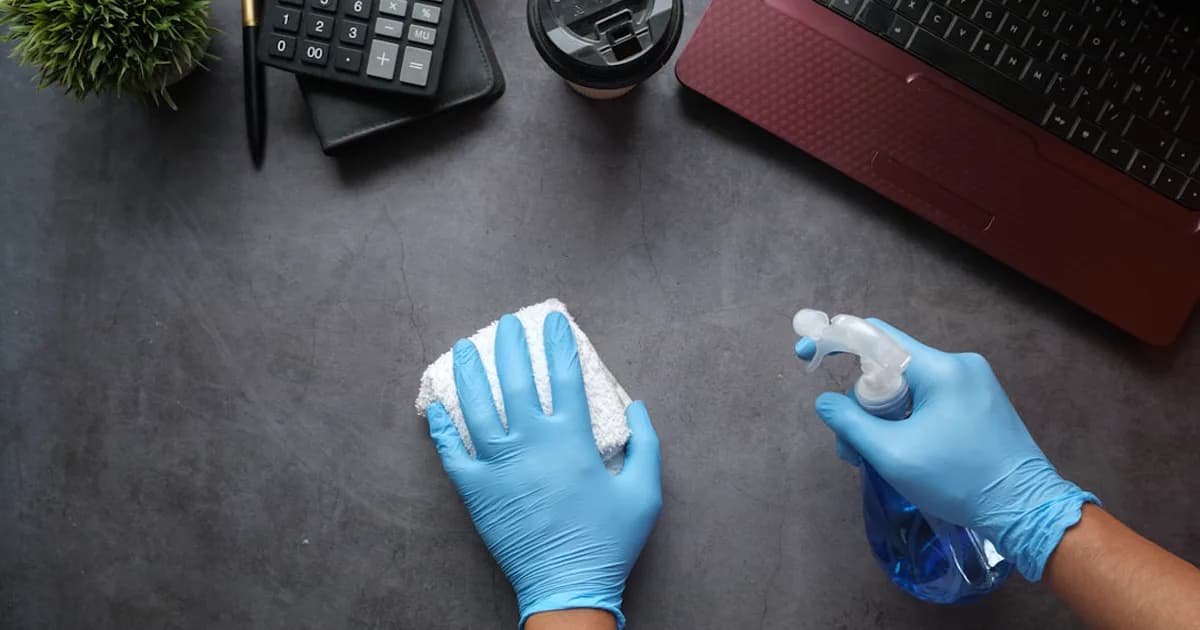
Ask ten facility managers how often should an office be cleaned, and you'll get ten different answers — and none of them are wrong. The honest response is that it depends on your space. But the factors that drive the decision are predictable and easy to plan around. Clean too little and you invite germs, stale air, and a workspace that quietly tells clients you cut corners. Over-clean, or disinfect every surface daily, and you burn budget you never needed to spend.
This guide walks through what "professionally cleaned" actually covers, a tiered schedule you can adapt, the specific factors that push your frequency up or down, and a simple way to right-size a plan for your facility.
What "Professionally Cleaned" Actually Means
Before you can decide how often, it helps to be clear on what you're buying. Professional office cleaning comes in two layers. The first is routine janitorial service — the recurring, scheduled work that keeps a space usable day to day: emptying trash, wiping surfaces, servicing restrooms, and cleaning floors. According to the CDC's NIOSH program, these core tasks — sweeping and mopping floors, removing trash, and cleaning surfaces — are the backbone of an industry that employs roughly 2.3 million custodial workers in the United States. The second layer is periodic deep cleaning: intensive, less frequent work that reaches carpets, upholstery, vents, and detail areas routine service never touches.
It also helps to separate three terms that get used interchangeably. The CDC distinguishes cleaning (using soap or detergent to remove germs and dirt), sanitizing (reducing germs to safer levels), and disinfecting (killing germs that remain). Order matters here: you clean first, then disinfect, because dirt makes it harder for disinfectants to do their job. For a fuller breakdown of scopes and service tiers, see our explainer on the difference between janitorial and commercial cleaning.
Recommended Frequency by Area
The most useful way to think about office cleaning frequency is by zone, not by the building as a whole. Different areas earn very different cadences.
High-touch surfaces and shared points
These surfaces carry the most risk, so they deserve the most attention. The CDC recommends that high-touch surfaces — door handles, desks, phones, light switches, elevator buttons, and restroom fixtures — be cleaned at least once a day, and more often in high-traffic areas. You don't need to disinfect everything constantly, though. The CDC is clear that in most situations routine cleaning is enough to prevent the spread of germs; disinfection is warranted mainly when someone has been ill or during an outbreak. Save it for when it counts, and both your budget and your indoor air stay in better shape.
Restrooms and break rooms
Restrooms and shared kitchens are the highest-frequency zones in almost any office. For an occupied workplace, plan on daily restroom cleaning at a minimum — and multiple times a day once foot traffic gets heavy or the space is client-facing. Break rooms collect food residue and constant shared-surface contact, so they belong on the same daily cadence.
Floors and general surfaces
Entry mats and traffic lanes show wear first, so vacuuming and mopping the high-use paths usually stays on the routine schedule. Lower-touch surfaces and out-of-the-way corners can be cleaned when they're visibly dirty rather than on a fixed daily basis. That kind of prioritization is exactly what keeps a cleaning plan efficient.
A Tiered Office Cleaning Schedule: Daily, Weekly, Monthly, Quarterly
Most offices are best served by a tiered professional office cleaning schedule rather than one blanket frequency. Here's a practical starting framework you can adjust:
- Daily: empty trash and recycling, disinfect high-touch surfaces, service restrooms, wipe down the break room, and spot-clean entry and traffic-lane floors.
- Weekly: full vacuuming and mopping, dusting of desks and surfaces, cleaning interior glass and partitions, and a detailed restroom scrub.
- Monthly: baseboards, vents and air returns, high dusting of ledges and fixtures, and the interiors of shared appliances like microwaves and refrigerators.
- Quarterly or semi-annual: professional carpet cleaning, upholstery cleaning, hard-floor stripping or refinishing, and detailed deep cleaning of areas routine service can't reach.
The daily and weekly tiers keep the office running and hygienic. The monthly and quarterly tiers protect your finishes and air quality over the long run. Deciding how to split tasks between them is where a good scope of work — and an honest conversation with your provider — pays off.
Floors, Carpets, and the Periodic Deep Clean
Carpet is where a lot of confusion lives, partly because of a stubborn myth. The EPA has not issued an official recommendation for how frequently carpet should be cleaned, and it specifically notes that a widely circulated 1989 frequency table does not represent an official EPA position. Instead, the agency points facilities to manufacturer recommendations and industry standards for protecting indoor air quality.
In practice, that means vacuuming stays part of your routine schedule, while professional carpet cleaning usually lands somewhere between quarterly and twice a year — sooner for high-traffic entrances and heavily used areas, less often for private offices with light footfall. The same logic applies to other soft surfaces, which the CDC advises vacuuming regularly and laundering according to the manufacturer's label.
Factors That Change How Often Your Office Needs Cleaning
Two offices of the same square footage can need very different schedules. The variables that move your commercial cleaning frequency up or down include:
- Foot traffic and headcount: more people and more visitors mean more soil, more trash, and more contact with shared surfaces. Occupancy is the single biggest driver of frequency.
- Client-facing vs. back-office space: lobbies, conference rooms, and reception areas where clients form impressions justify more frequent attention than a quiet records room.
- Industry and facility type: a food-service-adjacent break room, a medical-adjacent waiting area, or a warehouse with dust and debris each raise the bar compared with a standard professional office.
- Seasonality: in Southwest Florida, humidity and hurricane-season debris change what the building needs, while in the Minneapolis North Metro, winter salt and slush tracked in from parking lots can double the wear on entry floors.
- Occupant vulnerability: the CDC advises more frequent cleaning where people who are more susceptible to illness are present, so facilities with higher health sensitivity should lean toward the more frequent end of every range above.
Building Your Office Cleaning Schedule
Right-sizing a plan doesn't have to be complicated. Walk your space and inventory it by zone — restrooms, break room, lobby, open workspace, private offices, storage. Rate each zone by how heavily it's used, then assign it a cadence from the tiers above: daily for high-touch and restrooms, weekly for general surfaces, monthly and quarterly for the deeper work. With that map in hand, you can give a provider a clear scope of work instead of a vague request, which makes quotes more accurate and service more consistent. For a task-by-task starting point, our office cleaning checklist breaks the work down by daily, weekly, and monthly frequency. Just remember that scope, frequency, and pricing all shift with the size, type, and condition of your facility.
Frequently Asked Questions
How often should a small office be professionally cleaned?
A small office with fewer than 10 people and light foot traffic is often well served by professional cleaning two to three times per week, with high-touch surfaces and restrooms addressed on each visit. Daily service becomes worthwhile once headcount, client visits, or shared kitchen and restroom use increase.
Should an office be cleaned every day?
Not every office needs daily cleaning, but any space with high daily occupancy, client-facing areas, shared restrooms, or a busy break room benefits from daily attention to high-touch surfaces, trash, and restrooms. Lower-traffic offices can space general cleaning to a few times per week while still keeping restrooms and touch points on a frequent cadence.
What is the difference between daily cleaning and a deep clean?
Daily or routine cleaning covers the recurring tasks that keep a space usable and hygienic — emptying trash, wiping high-touch surfaces, cleaning restrooms, and vacuuming or mopping traffic areas. A deep clean is a periodic, more intensive service that reaches carpets, upholstery, vents, baseboards, and detailed areas routine cleaning does not touch, typically scheduled monthly to quarterly.
How often should office carpets be professionally cleaned?
The EPA does not set an official carpet cleaning frequency and directs facilities to follow manufacturer recommendations and industry standards to protect indoor air quality. In practice, most offices schedule professional carpet cleaning quarterly to twice a year, adjusting for foot traffic, entrances, and visible soiling, while vacuuming stays part of the routine schedule.
The Bottom Line
There's no single number that answers how often an office should be professionally cleaned. The right cadence is really a set of cadences: high-touch surfaces and restrooms daily, general surfaces weekly, carpets and deep work on a monthly-to-quarterly cycle — each one adjusted for your traffic, your industry, and your season. Get that mapping right and you protect both your people and your budget. If you'd like help building a schedule scoped to your building, Neat & Clean Co provides commercial cleaning across our service areas in Southwest Florida and the Minneapolis North Metro — request an estimate and we'll tailor a plan to your facility.
This article is for general informational purposes only. Cleaning scope, frequency, and pricing vary by facility size, type, and condition. Service availability depends on your location within Neat & Clean Co's service area. Contact us for a quote specific to your facility.
Related articles
Cleaning vs. Sanitizing vs. Disinfecting: What's Actually Different
Facility walkthroughs and janitorial bids use cleaning, sanitizing, and disinfecting as if they were synonyms. They're three different processes with three different costs, three different labor profiles, and three different regulatory footprints. Here's what each one actually does, what the product label is telling you, how to assign the right level to each zone in your building, and what OSHA expects of whoever is handling the chemicals.
Commercial Cleaning Contract Scope of Work: What to Look For Before You Sign
Two janitorial proposals can land within a hundred dollars of each other and buy very different amounts of work. The difference is almost never in the price — it is in the scope of work, the document that says which tasks get done, where, how often, and to what standard. Here is how facility and property managers in the Minneapolis North Metro read a cleaning scope before signing, and which clauses decide how easily you can leave if the service slips.

How to Choose a Commercial Cleaning Company in Maple Grove, MN
Choosing a commercial cleaning company in Maple Grove is a decision about reliability and liability, not just price. This guide covers how to verify insurance and bonding, confirm OSHA and EPA compliance, read a bid, and vet crews before you sign a janitorial contract.