How to Choose a Commercial Cleaning Company in Cape Coral, FL
Hiring a commercial cleaning company in Cape Coral means more than comparing prices. This guide walks facility and property managers through verifying credentials, checking bonding and insurance, reading safety and compliance signals, and asking the questions that separate a reliable janitorial partner from a costly mistake.
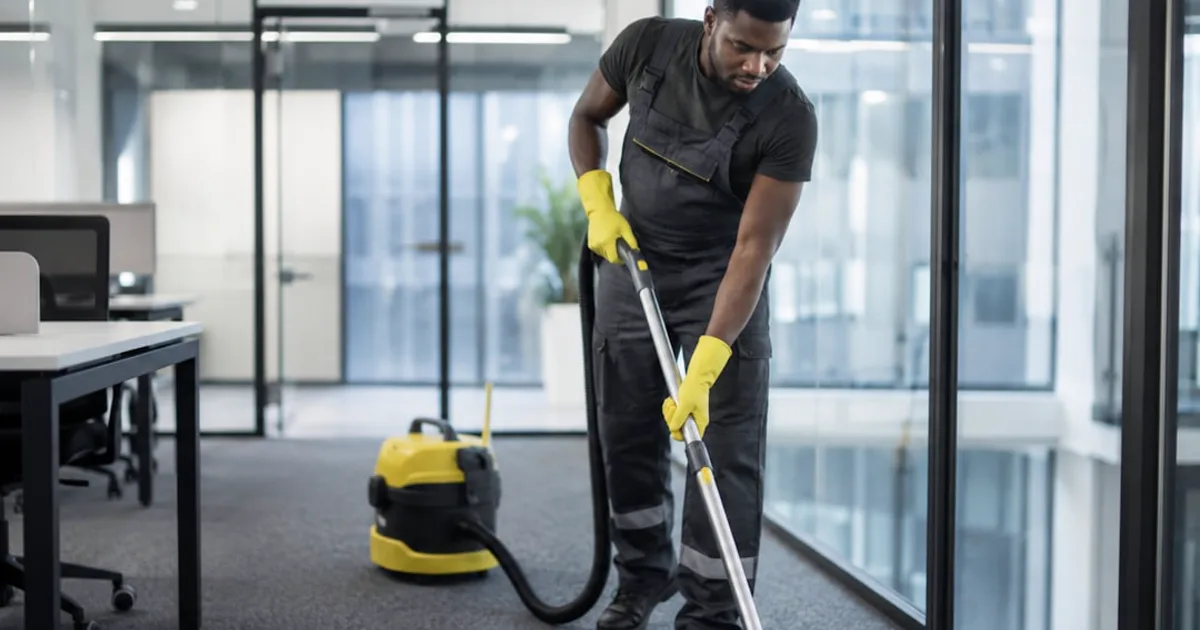
Choosing the Right Cleaning Partner for Your Cape Coral Facility
The cleaning vendor you sign is never just a line item. If you manage an office, medical suite, warehouse, or multifamily property in Cape Coral, that contract touches your budget, your occupants' health, your compliance posture, and your own liability. The local market is crowded, and a quote sheet rarely tells you whether you're hiring a polished, professional operator or a crew that vanishes after month three. Learning how to choose a commercial cleaning company in Cape Coral is really about following a repeatable vetting process. This guide walks facility and property managers through the credentials to confirm, the safety signals to watch, the product practices that matter, and the questions that reveal who you're actually hiring — before anyone signs.
Verify They're Registered, Bonded, and Insured
Start with the non-negotiables. Any company you're seriously considering should be registered, bonded, and insured — and you should confirm each one rather than take it on faith. As the Better Business Bureau advises, a business considered for hire should be registered, bonded, and insured before it ever sets foot in your building.
Registration and local standing
Florida doesn't issue a specific state license for general commercial cleaning, so "licensed" is often a loose term. What you can verify is that the company is registered with the state's Division of Corporations and holds any local business tax receipt the City of Cape Coral requires. Can't point you to a registered business entity? Then it's a provider you can't hold accountable.
Bonding versus insurance — they cover different risks
These two protections are easy to conflate, but they solve different problems. A bond protects you against dishonest or criminal acts by the people who come into your space — theft, for example. Liability insurance protects you if a cleaner causes an accident, like leaving a faucet running or damaging equipment. A professional operator carries both. Just as important, confirm the company holds its own workers' compensation coverage; if it doesn't and a cleaner is injured on your property, that liability can land on your facility.
Don't just trust — verify
Ask for copies of the bond and insurance certificates, then call the insurer or agent to confirm the policies are active and note the coverage limits. Are those limits high enough for the value of your facility and its contents? A one-minute phone call to verify coverage is the lowest-effort risk management you'll do all year.
Ask the Right Questions Before You Sign
Once the credentials check out, the interview is where you separate the contenders. Don't settle on the first proposal.
Interview more than one provider
Talk to at least three companies, and insist on an on-site walk-through before anyone hands you an estimate. A vendor quoting your 20,000-square-foot facility sight-unseen is guessing — and you'll pay for that guess later in change orders or cut corners.
References and track record
Request references from comparable local accounts, then actually call them. You're listening for a pattern: repeat, satisfied commercial clients who've stayed on for years, not a single glowing quote. Ask those references about consistency, communication, and how the company handled a problem — because every vendor eventually has one.
Get the scope in writing
Before you commit, insist on a written agreement that spells out exactly what gets cleaned, how often, and on what schedule. Define the extras too — floor care, interior windows, restroom restocking, post-event cleanup — so "that's not in our scope" never becomes a surprise. A clear written scope is your single best defense against service drift.
Look for Safety and Compliance Signals
A commercial cleaning crew works around your staff, your equipment, and sometimes hazardous materials, so their safety program is your concern too. Cleaning contractors fall under OSHA standards including Hazard Communication — which requires Safety Data Sheets and worker training on the chemicals they handle — plus personal protective equipment rules and, where relevant, bloodborne pathogen precautions in restrooms or care settings.
A company that maintains a documented safety and health program, trains its staff, and can produce SDS sheets on request is signaling that it's a professional operation. That discipline protects you, too: a well-trained, properly equipped crew is far less likely to create an incident that exposes your facility to liability. While you're at it, ask how accounts are staffed and supervised, and who covers a shift when a regular cleaner is out. Consistency of personnel is a reliable predictor of consistent results.
Ask About Products and Disinfection Practices
Not all cleaning is the same, and a knowledgeable vendor knows the difference. Cleaning removes soil and debris from a surface; disinfecting uses chemicals to reduce germs. Disinfection should follow cleaning and be matched to what the space actually needs — not blanketed everywhere for show. Be wary of any provider that promises to wipe out nearly all germs as a marketing line; responsible operators describe what their products do without overselling.
Product choice matters, especially if your building has occupants with chemical sensitivities. Ask what the company uses and whether staff are trained on proper dilution and dwell times. Products certified under the EPA's Safer Choice program are evaluated for safer ingredients without sacrificing performance — a useful marker if lower-exposure cleaning is a priority for your facility.
Understand the Cost Drivers Before You Compare Bids
Price matters, but the lowest number on the page is rarely the best value. Labor is the single largest cost in commercial cleaning — the Bureau of Labor Statistics put the median wage for janitors and building cleaners at roughly $17.27 per hour in May 2024. Because payroll dominates the math, a bid that lands far below the local market usually means something has to give: underpaid staff, thin training, fewer on-site hours than promised, or gaps in insurance. Each of those quietly shifts risk back onto your facility.
What legitimately moves the price is facility size and type, cleaning frequency, and scope of work. A nightly clean costs more than twice-weekly service, and a day-porter arrangement more than either. Cape Coral's climate adds its own wrinkles: high humidity drives mold and mildew attention, and hurricane season can spike demand and complicate scheduling. For local benchmarks, see our guide to what commercial cleaning costs in Cape Coral so you can judge whether a bid is realistic before you sign.
The Bottom Line — Your Cape Coral Vendor Checklist
Choosing well isn't complicated once you have a checklist. Before you sign a commercial cleaning contract in Cape Coral, confirm the company is registered, bonded, insured, and carries workers' compensation you've verified. Call its references. Get the scope and schedule in writing. Look for a real safety program and sensible, well-labeled products. And treat a suspiciously low bid as a question, not a bargain.
Neat & Clean Co is a local commercial cleaning provider serving Cape Coral and the wider Southwest Florida market, built around exactly this kind of reliability and accountability. Explore our commercial cleaning services in Southwest Florida, and when you're ready, request an estimate tailored to your facility.
Frequently Asked Questions
Should a commercial cleaning company in Cape Coral be licensed?
Florida doesn't issue a specific state license for general commercial cleaning, so "licensed" usually means the company is registered with the state's Division of Corporations and holds any local business tax receipt Cape Coral requires. What matters more is that the company is properly registered, bonded, and carries liability plus workers' compensation insurance you can verify.
What's the difference between a bonded and an insured cleaning company?
A bond protects you against theft or dishonest acts by the people cleaning your facility, while liability insurance covers accidental damage they cause on the job. They solve different problems, so a professional commercial cleaner should carry both — and you should confirm each policy is active and adequately sized for your space.
What questions should I ask before hiring a janitorial company?
Ask for proof of bonding, liability insurance, and workers' compensation; a list of local references; which products they use and whether staff are trained on safe handling; how they staff and supervise your account; and a written scope of work with a clear schedule. Also ask for an on-site walk-through before any quote.
Why is an unusually low commercial cleaning bid often a red flag?
Labor is the largest cost in commercial cleaning, so a bid far below the local market usually means the provider is underpaying workers, cutting training or on-site hours, or skipping full insurance — all of which shift risk and inconsistent results back onto your facility.
This article is for general informational purposes only. Cleaning scope, frequency, and pricing vary by facility size, type, and condition. Service availability depends on your location within Neat & Clean Co's service area. Contact us for a quote specific to your facility.
Related articles

How to Choose a Commercial Cleaning Company in Maple Grove, MN
Choosing a commercial cleaning company in Maple Grove is a decision about reliability and liability, not just price. This guide covers how to verify insurance and bonding, confirm OSHA and EPA compliance, read a bid, and vet crews before you sign a janitorial contract.
Commercial Cleaning Cost in Maple Grove, MN: 2026 Price Guide
Budgeting for office or facility cleaning in Maple Grove? Here's what commercial cleaning actually costs in 2026 — per square foot, per hour, and per month — plus the factors that move your quote and how to compare bids before you sign.

How to Choose a Commercial Cleaning Company in St. Paul, MN
Hiring the wrong commercial cleaner costs a St. Paul facility in downtime, liability, and re-bidding. This guide walks through what to verify — insurance and bonding, OSHA-aligned safety, product safety, and how to read a quote — so you can compare providers on value, not just price.