How to Choose a Commercial Cleaning Company in St. Paul, MN
Hiring the wrong commercial cleaner costs a St. Paul facility in downtime, liability, and re-bidding. This guide walks through what to verify — insurance and bonding, OSHA-aligned safety, product safety, and how to read a quote — so you can compare providers on value, not just price.
Choosing a commercial cleaning company in St. Paul, MN reaches well beyond how the floors look on move-in day. The wrong provider shows up late, trims scope quietly, or sends an uninsured crew that turns a slip-and-fall into your problem. For a facility or office manager, that means downtime, awkward tenant complaints, and the cost of re-bidding the whole contract a few months in. The right provider is the opposite: a quiet part of your operation you rarely have to think about.
So how do you tell them apart before you sign? This guide walks through what to verify up front — insurance and bonding, safety training, product safety, and how to read a quote — so you can compare providers on value rather than the lowest number. Work through it in order and the operators who can carry your facility separate quickly from the ones who can't.
Verify Insurance, Bonding, and Coverage
Start here. This is the item most likely to cost you real money if it's missing. The Better Business Bureau advises that any provider you consider should be registered, bonded, and insured — and those aren't interchangeable terms. It's worth knowing what each one actually protects.
Bonded, insured, and workers' comp — and why all three matter
A bond protects you against theft or dishonest acts by workers who have access to your building. General liability insurance covers accidental damage — a faucet left running overnight, a broken fixture, a lost key. The one facility managers overlook most often is workers' compensation. If a crew member is injured on your property and the company doesn't carry its own policy, that liability can land on you. All three should be in place before a single shift is worked.
How to actually verify it
Don't take "we're fully insured" at face value. Ask for current certificates of insurance and proof of the bond, and confirm the coverage is active — a policy that lapsed last quarter protects no one. A professional provider hands these over without hesitation. Reluctance is an answer in itself.
Confirm OSHA-Aligned Safety and Training
A commercial cleaning crew handles chemicals, works around your staff and equipment, and sometimes cleans up biological messes. How they're trained matters — for their safety and for your liability exposure both.
What a compliant crew looks like
A credible provider trains its people on the OSHA standards that apply to cleaning work: Hazard Communication (proper chemical labeling and readily available Safety Data Sheets), Personal Protective Equipment, and — where crews may encounter blood or other potentially infectious materials — the Bloodborne Pathogens standard. Ask how staff are trained to store, mix, and handle cleaning chemicals. "We just use what works" is not a safety program.
Why it protects you
Documented safety practices aren't just paperwork. A provider that follows recognized standards lowers the odds of an on-site incident, and lowers your facility's own exposure if one happens anyway. When a company can walk you through its training program, it's telling you it takes those risks seriously.
Ask About Cleaning Products and Green Certification
The products a crew brings into your building affect indoor air quality, occupant comfort, and — if anyone on your team has sensitivities — real health complaints. Ask which products a provider uses, and flag any spaces where harsh chemicals would be a problem.
If lower-impact products matter for your facility, ask about certification instead of trusting "green" marketing. The EPA's Safer Choice program, strengthened in 2024, certifies cleaning products made with safer ingredients — and the update added a certification tier specifically for cleaning service providers that use them. That's a concrete thing you can ask a provider to demonstrate. While you're at it, confirm whether the company supplies its own equipment and consumables, or whether that lands on your invoice separately.
How to Read a Commercial Cleaning Quote
Two quotes for the "same" job can differ by a wide margin, and the reason is almost always scope. Your job is to make sure you're comparing the same work.
Scope and walkthrough first
Insist on an on-site walkthrough before any provider gives you a number. A quote produced sight-unseen is a guess. During the walkthrough, the provider should note square footage, floor types, restroom counts, traffic patterns, and after-hours access. Then get the scope and cleaning schedule in writing — a clear document spelling out what gets cleaned and how often protects both sides and gives you something to hold the provider to.
Why the lowest bid can be a red flag
Labor is the single largest cost in commercial cleaning, and it sets a floor on what honest pricing can look like. The U.S. median wage for janitors and building cleaners was $17.27 an hour in 2024, and Minnesota wages tend to run above the national median. So when one bid comes in far below the rest, ask what's being cut to get there. Usually it's staffing hours, task frequency, or crew training — and that gap resurfaces as inconsistent quality a few months later. Weigh bids on value per visit, not the lowest sticker price. For a fuller breakdown of local pricing, see our guide to commercial cleaning costs in St. Paul.
Questions Specific to St. Paul Facilities
St. Paul winters put demands on a cleaning program that a generic provider may not plan for. Ask how a company handles entryway matting, salt and ice-melt tracking, and slip mitigation during the months when every visitor drags moisture and grit through your lobby. A provider that already runs Minnesota facilities will have an answer ready.
Confirm they can schedule around your occupancy — after-hours or early-morning service so cleaning doesn't disrupt your operation — and ask for references from comparable local facilities. Then actually check those references and any complaint history before you sign. If you're weighing providers in the neighboring metro too, our companion guide on choosing a provider in Minneapolis applies the same framework to that market.
Frequently Asked Questions
Should a commercial cleaning company be bonded and insured?
Yes. A reputable provider carries general liability insurance, a bond, and its own workers' compensation policy. Insurance covers accidental damage, a bond protects against theft or dishonest acts, and workers' comp shields your facility from liability if a cleaner is injured on site. Ask for certificates and verify they're active before signing.
How many commercial cleaning bids should I get in St. Paul?
Interview at least three providers and have each walk your facility before quoting. A walkthrough produces an accurate, comparable scope; a quote given sight-unseen usually isn't reliable. Comparing three walkthrough-based bids also helps you spot an outlier that's priced too low to be sustainable.
Why is the lowest commercial cleaning quote often a red flag?
Labor is the largest cost in commercial cleaning, and Minnesota wages run above the national median. A bid well below the others often means understaffing, high turnover, or skipped tasks — which shows up later as inconsistent quality. Focus on scope and value per visit rather than the lowest-priced option.
What safety standards should a commercial cleaner follow?
A credible provider trains crews on OSHA standards including Hazard Communication (chemical labeling and Safety Data Sheets), Personal Protective Equipment, and, where relevant, Bloodborne Pathogens. Documented safety programs reduce your facility's own liability exposure.
The Bottom Line
Choosing a commercial cleaning company in St. Paul comes down to four checks: confirm the provider is bonded, insured, and carries workers' comp; verify OSHA-aligned safety training; ask what products go into your building; and compare walkthrough-based bids on value rather than the lowest number. Do that work up front and you sidestep the far larger cost of switching providers mid-contract.
Neat & Clean Co provides commercial cleaning and janitorial service to facilities across the St. Paul area, with the coverage and scheduling flexibility local buildings need. Explore our St. Paul commercial cleaning services, or request an estimate for a walkthrough-based quote specific to your facility.
This article is for general informational purposes only. Cleaning scope, frequency, and pricing vary by facility size, type, and condition. Service availability depends on your location within Neat & Clean Co's service area. Contact us for a quote specific to your facility.
Related articles
Cleaning vs. Sanitizing vs. Disinfecting: What's Actually Different
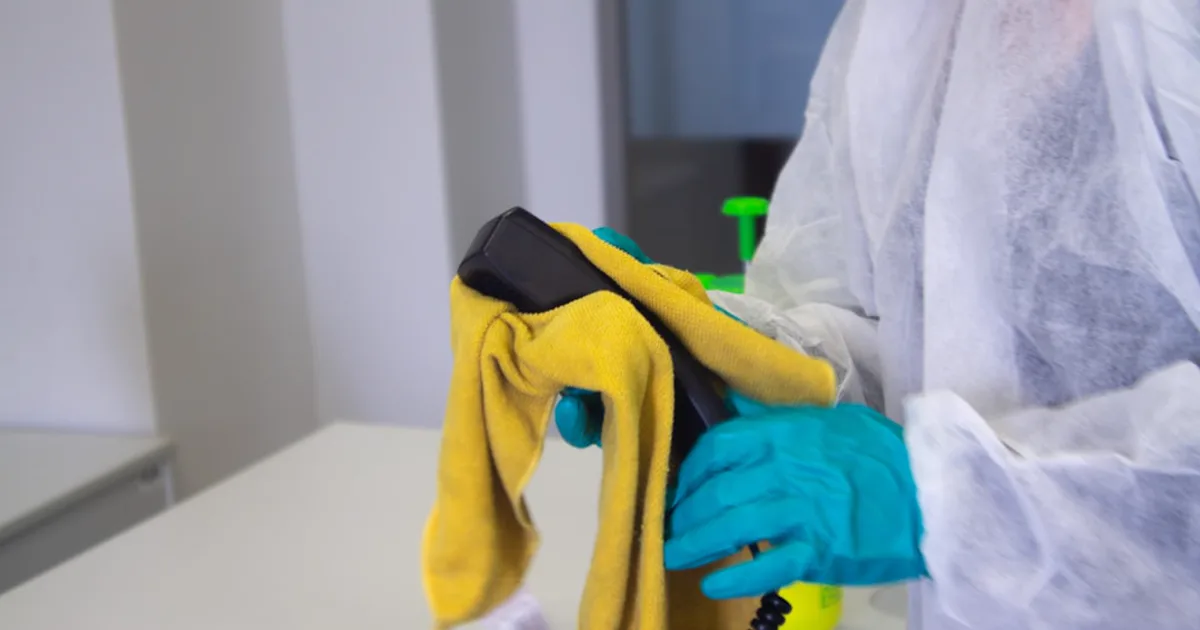
Facility walkthroughs and janitorial bids use cleaning, sanitizing, and disinfecting as if they were synonyms. They're three different processes with three different costs, three different labor profiles, and three different regulatory footprints. Here's what each one actually does, what the product label is telling you, how to assign the right level to each zone in your building, and what OSHA expects of whoever is handling the chemicals.
Commercial Cleaning Contract Scope of Work: What to Look For Before You Sign
Two janitorial proposals can land within a hundred dollars of each other and buy very different amounts of work. The difference is almost never in the price — it is in the scope of work, the document that says which tasks get done, where, how often, and to what standard. Here is how facility and property managers in the Minneapolis North Metro read a cleaning scope before signing, and which clauses decide how easily you can leave if the service slips.

How to Choose a Commercial Cleaning Company in Maple Grove, MN
Choosing a commercial cleaning company in Maple Grove is a decision about reliability and liability, not just price. This guide covers how to verify insurance and bonding, confirm OSHA and EPA compliance, read a bid, and vet crews before you sign a janitorial contract.