How to Choose a Commercial Cleaning Company in Marco Island, FL
Choosing a commercial cleaning company in Marco Island is a facility-management decision, not a chore. This practical guide walks you through the five filters that separate a reliable, insured, OSHA-compliant vendor from a risky one — from verifying bonding and insurance to reading an estimate the right way.
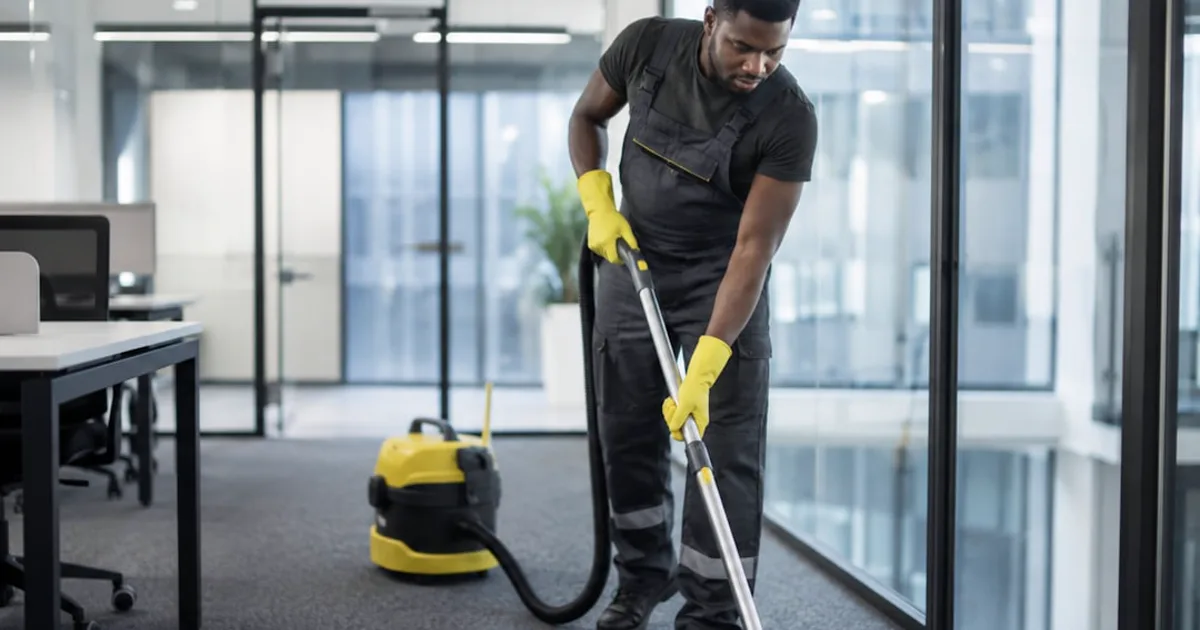
Hiring a commercial cleaning company for a Marco Island office, retail space, condo association, or medical suite is a facility-management decision, not a chore you can hand off and forget. Pick wrong, and it surfaces later as liability exposure, patchy service, and line items you never agreed to. Learning how to choose a commercial cleaning company in Marco Island, FL really comes down to one repeatable vetting process — the kind that holds up whether you manage a single storefront on Collier Boulevard or a portfolio of properties across the island.
Coastal Southwest Florida adds its own wrinkles. Salt air, heavy humidity, sand tracked through entryways, HVAC condensation, and the seasonal swing between a busy winter and a quiet summer all shape what "clean and well-maintained" actually means here. The five filters below — credentials, scope, product safety, staffing, and the estimate itself — give you a framework grounded in guidance from the Better Business Bureau, OSHA, the EPA, and the Bureau of Labor Statistics.
Verify Credentials Before Anything Else
Before you weigh price or personality, confirm the company can legally and financially stand behind its work. The Better Business Bureau's guidance on hiring a cleaning service is blunt on this point: any company you consider should be registered, bonded, and insured. Each one protects you in a different way.
- Bonding covers you against theft or dishonest acts by cleaning staff who have after-hours access to your facility.
- General liability insurance covers accidental property damage — a cleaner knocks over a monitor, floods a break room, or scratches a floor.
- Workers' compensation covers on-site injuries, so if someone is hurt in your building, you're not the one left holding the liability.
Ask for current certificates on all three, and don't stop at a PDF. The BBB recommends confirming the coverage is active by contacting the insurer directly — a certificate from two years ago tells you nothing about today. If you want a deeper walk-through of how these protections differ, our explainer on what "bonded and insured" really means breaks it down.
Check reviews, references, and staffing
Credentials prove a company can cover a problem. References tell you how often problems actually happen. Read reviews and complaint history, and watch how the company responds to criticism — a measured, solution-oriented reply says more than a flawless star rating. Then ask for a list of current commercial clients and call two or three of them. Facilities close to yours in size and type make the most useful references. Finally, ask whether cleaning staff are background-checked, since these are the people who'll hold keys or access codes to your space.
Insist on a Walkthrough and a Written Scope
No reputable commercial cleaner can price your building from a phone call. The BBB advises requesting an on-site walkthrough before any estimate, clarifying exactly what's included, and raising special requests upfront. A vendor who quotes sight-unseen is guessing — and you'll pay for that guess later in change orders or missed tasks.
The walkthrough matters even more on the coast. Entryway matting and salt-and-sand control, restroom fixtures fighting hard water, HVAC-related condensation, hurricane-season readiness — these are needs a generic bid simply doesn't capture. A cleaner walking your Marco Island property should be asking about traffic patterns, occupied versus unoccupied hours, and the problem spots specific to the building. Our guide on what to expect from a walkthrough and quote covers what a thorough one looks like.
Whatever you agree to, get it in writing. The BBB's last tip is to review a written agreement that clearly spells out the tasks and the timeframe for completing them. A checklist-based scope with defined frequencies — nightly, weekly, monthly — is your best protection against the "that was never included" conversation three months in.
Ask About Products, Safety, and OSHA Compliance
The products a crew brings into your building affect your occupants and your liability, so treat this as a real evaluation criterion rather than an afterthought. Cleaning chemicals can be corrosive, irritating, or flammable, and OSHA's Hazard Communication Standard requires employers to train workers on chemical hazards, safe handling and dilution, spill response, and personal protective equipment before they ever pick up a hazardous cleaner.
For you, that becomes a simple test. A professional vendor should be able to produce Safety Data Sheets on request and explain how its staff are trained and how products are diluted. A company that can't is carrying risk that can end up in your building. Be just as wary of any provider making sweeping sanitization promises — professional cleaning meaningfully reduces soil and touchpoint grime, but a vendor claiming to wipe out some precise percentage of germs is overselling.
Green and certified products
If indoor air quality or occupant sensitivity matters in your facility — and in a medical suite, a school, or a busy office, it usually does — ask whether the vendor can supply certified products. The EPA's Safer Choice program reviews every ingredient in a product against strict human-health and environmental criteria, and certified products already turn up across offices, schools, and hotels. Using them can even earn points toward LEED green-cleaning credits. You don't have to require green cleaning, but a vendor who can offer it hands you a lever you may want later. For more, see our overview of how to vet a green cleaning provider.
Judge Staffing, Turnover, and Scheduling
Consistent cleaning is really a staffing problem in disguise. According to the Bureau of Labor Statistics, janitors and building cleaners held about 2.4 million jobs in 2024, with hundreds of thousands of openings projected each year, below-average wages, and shifts that commonly run in the evening or overnight because buildings get cleaned when they're empty. In plain terms: turnover is high, and the crew cleaning your building this quarter may not be the one cleaning it next quarter.
That's exactly why staffing questions belong in your evaluation. Ask how the company recruits, trains, and supervises its crews, and how it covers call-outs and holidays so your building doesn't get skipped. A vendor that pays and trains its people well — and can flex around your occupied hours — is far more likely to deliver the same result month after month than one forever cycling in untrained help.
Nail down the logistics too. Do you need day-porter coverage or nightly janitorial? Who's your single point of contact, and how fast do they respond when something goes wrong? Responsiveness during the sales process is the clearest preview you'll get of responsiveness once you're a client.
Understand the Estimate — What Drives Cost
Once credentials and scope are settled, the estimates finally become comparable. Commercial cleaning pricing moves with square footage, facility type, cleaning frequency, foot traffic, and whether supplies and equipment are included or billed back to you. Because those variables swing so much from building to building, a bid only means something when it's measured against a defined scope.
Resist the pull of the lowest number. A bid well under the others usually signals a corner being cut — thinner insurance, fewer labor hours, a narrower task list — not a better deal. Compare like-for-like scope across at least three quotes, the range the BBB recommends. For local benchmarks on what facilities in the area actually pay, see our guide to commercial cleaning costs in Marco Island.
The Bottom Line — Building Your Marco Island Shortlist
Choosing well comes down to five filters, applied in order: verify credentials, insist on a walkthrough and a written scope, evaluate product safety and OSHA compliance, judge staffing and scheduling, and compare estimates on equal footing. Run every candidate through all five and the field narrows fast — usually to two or three vendors worth a serious conversation. From there, choose on fit and responsiveness.
Neat & Clean Co provides commercial cleaning across Southwest Florida, Marco Island included, and we're glad to walk your facility and put a clear, itemized scope in writing. When you're ready to compare, request an estimate and see how we stack up against the five filters above.
Frequently Asked Questions
How many commercial cleaning companies should I get quotes from in Marco Island?
The Better Business Bureau recommends interviewing at least three companies and comparing written estimates before you hire. Three quotes give you a realistic price range for your facility's size and needs, and they let you compare scope, insurance, and responsiveness side by side rather than judging a single bid in isolation.
What does it mean for a cleaning company to be bonded and insured?
Bonding protects you against theft or dishonest acts by cleaning staff, general liability insurance covers accidental property damage, and workers' compensation covers on-site injuries so you are not held liable. Ask for current certificates and, per BBB guidance, confirm the coverage is active with the insurer before signing.
Should a commercial cleaning company use green or certified products?
It depends on your building and occupants, but EPA Safer Choice–certified products are reviewed for safer human-health and environmental profiles and can even earn LEED green-cleaning points. If air quality or occupant sensitivity matters in your facility, ask whether the vendor can supply certified products and show the corresponding Safety Data Sheets.
Why does staff turnover matter when choosing a cleaning company?
Janitorial work has high turnover and often runs on evening or overnight shifts. A vendor that trains its staff, pays competitively, and can flex around your building's occupied hours is more likely to deliver consistent results month after month than one constantly cycling through new, untrained crews.
This article is for general informational purposes only. Cleaning scope, frequency, and pricing vary by facility size, type, and condition. Service availability depends on your location within Neat & Clean Co's service area. Contact us for a quote specific to your facility.
Related articles

How to Choose a Commercial Cleaning Company in Maple Grove, MN
Choosing a commercial cleaning company in Maple Grove is a decision about reliability and liability, not just price. This guide covers how to verify insurance and bonding, confirm OSHA and EPA compliance, read a bid, and vet crews before you sign a janitorial contract.
Commercial Cleaning Cost in Maple Grove, MN: 2026 Price Guide
Budgeting for office or facility cleaning in Maple Grove? Here's what commercial cleaning actually costs in 2026 — per square foot, per hour, and per month — plus the factors that move your quote and how to compare bids before you sign.
How to Choose a Commercial Cleaning Company in St. Paul, MN
Hiring the wrong commercial cleaner costs a St. Paul facility in downtime, liability, and re-bidding. This guide walks through what to verify — insurance and bonding, OSHA-aligned safety, product safety, and how to read a quote — so you can compare providers on value, not just price.