Sorority & Fraternity Move-Out Cleaning: A Chapter House Turnover Guide
When the last resident leaves in spring, a chapter house has to be handed back clean, safe, and inspection-ready before fall recruitment. This guide walks house corporations, university housing offices, and property managers through what makes a Greek house move-out different, a room-by-room turnover checklist, summer-vacancy risks, and how to budget and schedule the job.
When the House Empties Out, the Real Work Begins
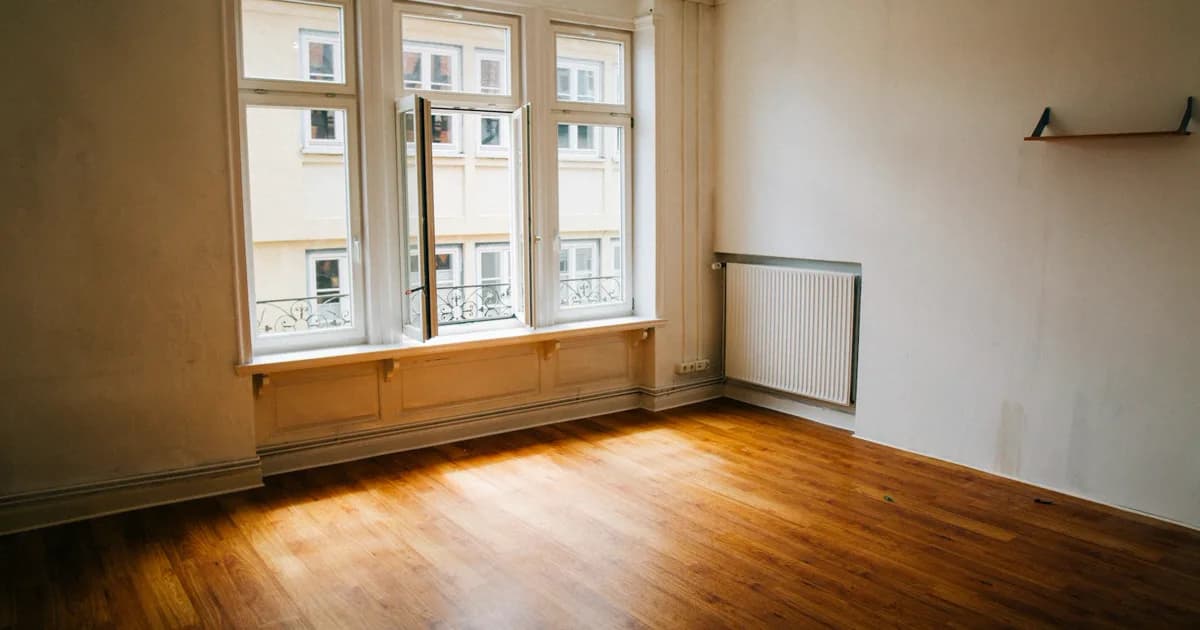
The last resident hands in a key in May, and a building that housed dozens of students all year suddenly has to be handed back clean, safe, and inspection-ready — usually before fall recruitment. For house corporations, university housing offices, property managers, and chapter leadership, sorority and fraternity move-out cleaning isn't a chore-chart task. It's a facilities project on a fixed deadline, run in a narrow summer window, in a shared high-occupancy building that's taken a full year of heavy use.
Here's what a proper turnover involves: what sets a chapter house apart from an ordinary move-out, a practical room-by-room checklist, how to clean and disinfect shared surfaces the right way, the summer-vacancy risks that catch people off guard, what drives cost and timeline, and how to line up the right cleaning partner.
Why a Chapter House Turnover Isn't a Normal Move-Out
Scale is the first difference. A chapter house can hold anywhere from 15 to 40-plus residents, with communal bathrooms, a commercial or semi-commercial kitchen, dining space, and chapter or meeting rooms. That's far more square footage — and far more shared surface area — than a single apartment, and all of it takes a full term of concentrated use before anyone thinks about move-out.
Move-out resets the whole building, not just the bedrooms. The common areas that absorbed the most traffic are usually the ones in the roughest shape. The summer window is short, too, and it often overlaps with painting, repairs, and maintenance, so chapter house turnover cleaning has to be sequenced around other trades rather than dropped in at the last minute.
The stakes are practical. There's a fixed handover deadline, a cleanliness standard set by the house corporation or the university, and real consequences if the building comes back in poor shape. Scale, shared use, a hard deadline, a defined standard — that combination is why so many chapters treat this as a professional job rather than a weekend of volunteer effort.
A Room-by-Room Chapter House Move-Out Checklist
A thorough turnover works through the building zone by zone. The framework below mirrors a standard apartment turnover cleaning checklist, scaled up for a multi-occupant house.
Bedrooms and shared living spaces
- Empty and wipe closets, drawers, and shelves inside and out
- Spot-clean walls and switch plates; dust vents, ceiling fans, blinds, and baseboards
- Clean windows, tracks, and sills
- Vacuum or extract carpet; mop hard floors
Communal bathrooms
- Descale showers and tubs; scrub grout and partitions
- Clean and disinfect toilets, sinks, and fixtures; polish mirrors and chrome
- Mop and disinfect floors; restock consumables if the house requires it
Kitchen and dining
- Degrease the hood and range; clean inside the oven, refrigerator, and freezer
- Sanitize prep surfaces and clean dining tables and chairs
- Mop and disinfect floors (note: pots, pans, and dishes are typically the chapter's responsibility, not the cleaning crew's)
Common, chapter, and hallway areas
- Wipe high-touch surfaces — stair rails, light switches, door handles, and shared desks
- Clean stairwells and entryways; remove all trash
- Vacuum, extract, or mop floors throughout
Cleaning vs. Disinfecting High-Touch Surfaces
In a building where dozens of people share the same bathrooms, railings, and door handles, this step is worth doing right. The CDC draws a clear line between the two: cleaning with soap or detergent removes most germs and soil from a surface, while disinfecting kills what's left. The correct sequence is to clean first and then disinfect only where needed — a disinfectant applied over visible dirt is far less effective.
Focus on the surfaces people actually touch most: door handles, stair rails, light switches, restroom fixtures, counters, and shared desks. When disinfectant goes on, it has to stay wet on the surface for the contact time listed on the product label, and products should never be mixed. Ventilation and proper protective equipment matter too, especially in closed-up bathrooms.
A quick note on expectations. Professional cleaning reduces germs and soil on shared surfaces and gets a building inspection-ready. It doesn't render a space permanently germ-free, and any reputable provider will tell you that up front rather than overpromising.
Managing Summer-Vacancy Risks: Mold, Moisture, and Trash
An empty house closed up through a humid summer is a different animal from an occupied one. Mold grows wherever moisture accumulates, and a building with the windows shut and the air still for weeks is exactly where it takes hold. The EPA's guidance is to control the moisture source, use protective equipment, and finish any mold cleanup before the building is reoccupied — with an N-95 respirator, goggles, and gloves as the minimum protection for whoever does the work.
A few practical moves head off the worst of it. Remove all trash and perishables before the house is shut down, keep air moving or set the HVAC appropriately for the vacancy, and fix any leaks quickly instead of letting them sit for months. Plan a walkthrough before residents return so anything that developed over the summer gets caught early. Surface mold on hard surfaces can often be handled as part of a thorough clean, but widespread growth tied to water damage usually calls for dedicated remediation — flag it the moment it's spotted.
What Drives the Cost and Timeline of a Full-House Turnover
The biggest cost drivers are total square footage, the number of bathrooms and bedrooms, the scope of the kitchen work, whether floors are carpet or hard surface, and the overall condition of the building. Add-ons like carpet extraction, interior window cleaning, and wall washing move the number too — the same variables that shape the effort involved in getting a property showing-ready.
Labor is the other half of the equation. The median wage for janitors and building cleaners was $17.27 an hour in May 2024, and large facilities are frequently cleaned after hours or when empty. A full chapter-house turnover is a crew-scheduled, multi-day project, not a quick one-person job — so booking early in the summer window, and sequencing the clean around any painting or repairs, is what keeps the handover on time.
How to Choose and Schedule a Turnover Cleaning Partner
Look for a provider with real experience on large, multi-occupant turnover jobs, and ask concrete questions. How big a crew will they bring, and how many days will it take? Is the scope of work spelled out in writing? Are they an insured and bonded cleaning company? Those answers tell you whether the deadline is realistic and whether you're protected if something goes wrong.
Confirm that the proposed scope matches the cleanliness standard your house corporation or university expects and lines up with the handover date. Summer is peak turnover season for cleaning crews, so schedule well ahead. If you want a local option, Neat & Clean Co provides commercial cleaning in your area and can scope a chapter-house turnover to your building and timeline.
Frequently Asked Questions
How long does it take to clean a fraternity or sorority house at move-out?
It depends on the house size, the number of bedrooms and bathrooms, and the condition, but a full chapter-house turnover is a multi-crew, multi-day project rather than a one-person afternoon. A large house with a commercial kitchen, several communal bathrooms, and 20-plus bedrooms can take a crew several days, especially when carpet extraction and detailed kitchen work are included. Scheduling early in the summer window gives crews time to work through the whole building before the next term.
What's the difference between a move-out clean and regular chapter house cleaning?
Regular cleaning maintains common areas during the term — bathrooms, hallways, and kitchens on a recurring schedule. A move-out clean is a top-to-bottom reset of an empty building: every bedroom, inside cabinets and appliances, baseboards, vents, carpets, and high-touch surfaces throughout. It's closer to a turnover or make-ready clean than to routine janitorial service.
Who is responsible for move-out cleaning — the chapter, the university, or the house corporation?
It varies by school and by the housing agreement. Many house corporations or university housing offices set a cleanliness standard the chapter must meet at move-out, and unmet standards can lead to charges against the chapter. Because the standard and the deadline are usually fixed, many chapters hire a commercial cleaning company to make sure the building is handed back in good condition on time.
Can move-out cleaning handle mold from a closed-up summer house?
Surface mold on hard surfaces can often be addressed as part of a thorough clean, but larger mold problems tied to moisture or water damage may need dedicated remediation. The EPA recommends controlling the moisture source, using proper protective equipment, and completing mold cleanup before anyone reoccupies the building. If you spot widespread growth, flag it early so it can be assessed before the next residents move in.
The Bottom Line
A chapter house move-out is a facilities-scale turnover with a fixed deadline and a defined cleanliness standard — the kind of job that rewards planning, sequencing, and a real crew over last-minute volunteer effort. Book early, get the scope in writing, and deal with summer-vacancy risks like mold and moisture before they compound. When you're ready to scope your house, request an estimate for a quote specific to your building and timeline.
This article is for general informational purposes only. Cleaning scope, frequency, and pricing vary by facility size, type, and condition. Service availability depends on your location within Neat & Clean Co's service area. Contact us for a quote specific to your facility.
Related articles
Cleaning vs. Sanitizing vs. Disinfecting: What's Actually Different
Facility walkthroughs and janitorial bids use cleaning, sanitizing, and disinfecting as if they were synonyms. They're three different processes with three different costs, three different labor profiles, and three different regulatory footprints. Here's what each one actually does, what the product label is telling you, how to assign the right level to each zone in your building, and what OSHA expects of whoever is handling the chemicals.
Commercial Cleaning Contract Scope of Work: What to Look For Before You Sign
Two janitorial proposals can land within a hundred dollars of each other and buy very different amounts of work. The difference is almost never in the price — it is in the scope of work, the document that says which tasks get done, where, how often, and to what standard. Here is how facility and property managers in the Minneapolis North Metro read a cleaning scope before signing, and which clauses decide how easily you can leave if the service slips.

How to Choose a Commercial Cleaning Company in Maple Grove, MN
Choosing a commercial cleaning company in Maple Grove is a decision about reliability and liability, not just price. This guide covers how to verify insurance and bonding, confirm OSHA and EPA compliance, read a bid, and vet crews before you sign a janitorial contract.