Warehouse & Industrial Cleaning Standards: What Facility Managers Need to Know
A warehouse floor is a working surface, an inventory asset, and a safety liability all at once. This guide breaks down the warehouse cleaning standards that govern industrial facilities — OSHA housekeeping and sanitation rules, shift-based floor and waste routines, combustible dust and chemical controls — and how to turn them into a housekeeping program you can actually maintain.
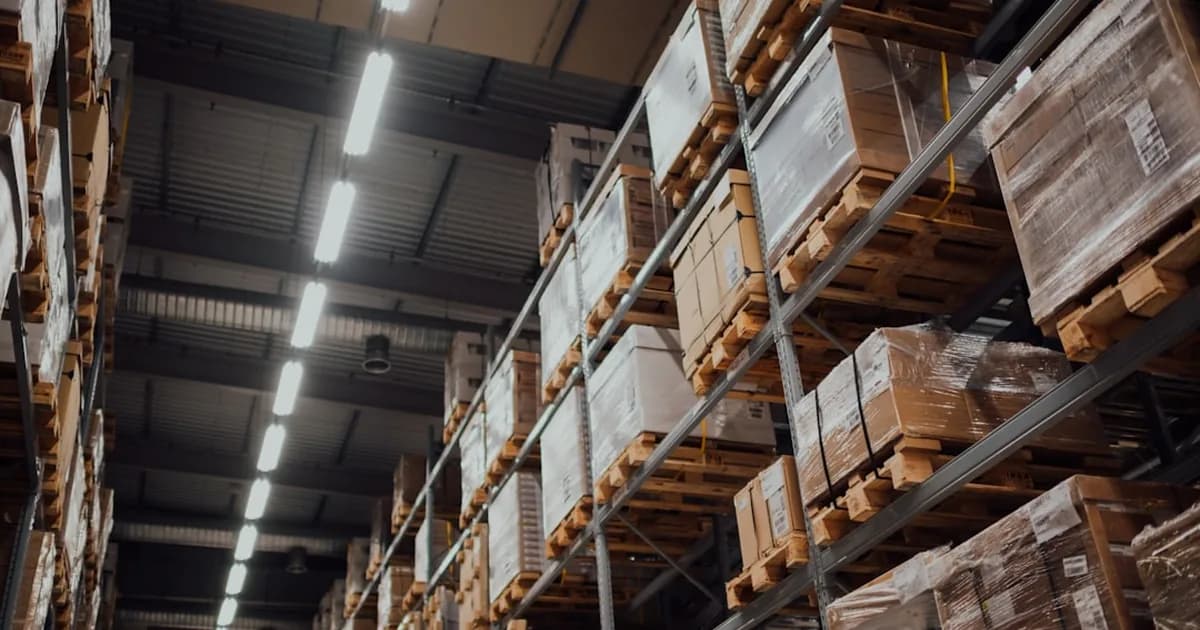
A warehouse floor is three things at once. It's a working surface your team walks and drives across every shift, an asset that protects the inventory stacked on it, and a safety liability the moment it's left dirty. That's why warehouse cleaning standards aren't a cosmetic concern — they're a compliance and risk-management system. When housekeeping slips, it doesn't stay quiet. It comes back as OSHA citations, slip-and-fall claims, damaged product, pest problems, and downtime nobody scheduled.
For facility and operations managers, the hard part usually isn't knowing a warehouse should be clean. It's knowing which standards apply, how often each task needs to happen, and how to turn a stack of regulations into a routine the crew actually follows. This guide walks through the standards that govern warehouse and industrial cleaning, then shows how to build them into a program you can document and defend.
The OSHA Baseline: Sanitation and Walking-Working Surfaces
Two OSHA general-industry standards set the floor — literally — for any warehouse or distribution center. Everything else builds on them.
Clean, orderly, and sanitary (29 CFR 1910.141)
OSHA's sanitation standard, 1910.141, requires every place of employment to be kept clean, orderly, and in a sanitary condition. The floor of each work area has to be maintained clean and, so far as feasible, dry. Where wet processes are used, the standard calls for drainage and for dry standing places — false floors, platforms, or mats — wherever practicable. Waste receptacles must be leak-proof and cleanable, and waste has to be removed often enough that it never becomes a nuisance. Enclosed workplaces are also expected to stay free of vermin through an effective control program.
Hazard-free surfaces (29 CFR 1910.22)
The companion standard, walking-working surfaces, 1910.22, requires that passageways, storerooms, and walking-working surfaces stay clean, orderly, and sanitary — and free of hazards such as spills, debris, loose boards, protruding objects, snow, and ice. Surfaces have to be inspected and maintained so hazards get corrected, guarded, or repaired. Read together, these two standards are the baseline cleanliness any warehouse is expected to hold every day, regardless of what it stores.
Slip, Trip, and Fall Prevention
Want a single number that explains why housekeeping matters? Slips, trips, and falls account for roughly 15% of workplace injuries, and many of them trace straight back to a floor that wasn't cleaned or dried. Ice, standing water, grease, and loose debris are the usual culprits, and OSHA expects employers to clear those conditions from walkways and working surfaces as a matter of routine.
Clear it by the end of the shift
The practical rule OSHA applies to warehouse work is straightforward: each working surface should be cleared of debris — both solid and liquid waste — by the end of each work shift or job, whichever comes first. That makes housekeeping a per-shift discipline, not a once-a-week event. Spill response should be immediate and documented, entry points and wet zones should have mats, and any area that's temporarily wet should be marked so foot and forklift traffic can route around it. A floor that's cleared every shift is a floor that rarely produces a claim.
Combustible Dust and Chemical Storage
In many industrial settings, what's on the floor and in the storage cabinet is as much a fire issue as a cleanliness one.
Dust is a housekeeping and a fire hazard
Under OSHA's Combustible Dust National Emphasis Program, dust that builds up deeper than 1/32-inch — roughly the thickness of a paperclip — across at least 5% of a room's floor area can draw a housekeeping citation. Facilities that generate dust need a regular cleaning schedule and methods that don't make the problem worse: vacuuming with the right equipment instead of dry sweeping or blowing dust into the air, which can create a hazardous cloud.
Flammables, solvents, and cleaning chemicals
Oils, paint thinners, solvents, oily rags, and similar combustible materials belong in covered, fire-resistant containers — not left in open bins or piled in a corner. Cleaning chemicals deserve the same care. The concentrated forms of many commercial cleaning products are classified as hazardous, which creates real handling, storage, and disposal obligations: Safety Data Sheets on file, correct storage, and appropriate PPE for the crew. One way to lower that exposure is to favor products carrying the EPA Safer Choice label, which certifies cleaners whose every ingredient meets strict human-health and environmental criteria while still performing comparably to conventional products. A note on language, too: be careful with disinfection claims. Cleaning reduces soil and many contaminants, but results vary by facility, surface, and product, and overstated sanitization promises invite trouble.
Aisles, Racking, and Material Storage
Housekeeping and material handling overlap more than most checklists admit. OSHA's materials-handling standard, 1910.176, requires that permanent aisles and passageways be marked and kept clear, with enough clearance for the equipment that uses them. Stored material has to be stacked, blocked, interlocked, and limited in height so it stays stable and won't slide or collapse. And storage areas must stay free of accumulations that create hazards from tripping, fire, or pest harborage.
For a cleaning program, the takeaway is simple. A clear aisle is both a safety control and a cleanability requirement — you can't scrub a floor you can't reach, and a blocked aisle hides exactly the debris and spills the other standards tell you to remove.
Daily, Shift-Based, and Periodic Cleaning Routines
Standards describe the destination; a cadence is how you get there. The most maintainable warehouse programs translate the rules above into tiers:
- Per shift: clear debris and spills, service loading docks, empty high-traffic trash, address any wet or slippery spots.
- Daily: restrooms and breakrooms, full trash and recycling removal, entry mats, office and dispatch areas.
- Weekly: machine-scrub the main floor, sweep or vacuum dust-prone zones, wipe down rails and frequently touched surfaces.
- Periodic: high dusting, racking and beam cleaning, floor drains, and a deeper dust-control pass in any area that accumulates buildup.
Starting from scratch? An office cleaning checklist is a useful framework to adapt — the structure carries over even though the warehouse tasks are heavier. Whatever cadence you set, write it down and assign accountability. An undocumented schedule is the one that quietly stops happening.
Building a Warehouse Housekeeping Program
The difference between a clean warehouse and a compliant one is documentation. A real housekeeping program has four parts: a written schedule, a trained crew that knows the chemical-safety and dust-control practices, an inspection log, and a corrective-action loop that closes out what the inspections find.
Then there's scale. Some facilities can run housekeeping in-house. Others reach a point where the floor area, the equipment needed — ride-on auto-scrubbers, industrial vacuums — or the need for consistent after-hours and around-the-clock coverage makes a dedicated partner the more reliable option. That's where bringing in a commercial provider for commercial warehouse and industrial cleaning pays off: in consistency, and in the documentation that backs up your compliance. And if your facility is expanding or being built out, remember that post-construction cleaning is its own phase with its own standards before normal housekeeping ever begins.
Frequently Asked Questions
What are the basic OSHA cleaning standards for a warehouse?
OSHA's general-industry rules require warehouses to be kept clean, orderly, and sanitary. Under 29 CFR 1910.141, floors must be kept clean and, where feasible, dry, with leak-proof waste receptacles emptied often enough to avoid a nuisance. Under 29 CFR 1910.22, walking-working surfaces must stay free of hazards like spills, debris, protruding objects, and ice. Together they set the baseline cleanliness any distribution center is expected to maintain.
How often should a warehouse floor be cleaned?
OSHA expects each working surface to be cleared of debris — including solid and liquid waste — by the end of each work shift or job, whichever comes first. High-traffic aisles, loading docks, and spill-prone areas typically need attention every shift, while a deeper machine scrub of the full floor is commonly scheduled weekly or based on traffic and dust load. The right cadence depends on your facility's size, throughput, and the materials you handle.
What is the combustible dust rule for warehouses?
Under OSHA's Combustible Dust National Emphasis Program, dust accumulation deeper than 1/32-inch (about the thickness of a paperclip) covering at least 5% of a room's area can trigger housekeeping citations. Facilities that generate dust need a regular cleaning schedule and methods — like vacuuming rather than dry sweeping or blowing — that don't launch dust into the air.
Do warehouse cleaning crews need special chemical safety practices?
Yes. Concentrated commercial cleaning products can be classified as hazardous, which creates handling, storage, and disposal obligations. Crews should follow Safety Data Sheets, store chemicals properly, and use appropriate PPE. Choosing EPA Safer Choice-certified products is one way to reduce exposure risk while still meeting cleaning-performance needs.
The Bottom Line
Warehouse cleaning standards aren't really about appearances — they're a safety and compliance system wearing a broom. Clean, dry floors. Debris and waste cleared every shift. Dust and chemicals kept under control. Aisles clear and storage stable. Hold those four lines and you've covered the standards that matter most. What ties it together is a documented housekeeping program, which turns scattered tasks into defensible compliance and a safer, more productive facility. If you'd like help scoping one to your size and throughput, request an estimate for your facility.
This article is for general informational purposes only. Cleaning scope, frequency, and pricing vary by facility size, type, and condition. Service availability depends on your location within Neat & Clean Co's service area. Contact us for a quote specific to your facility.