HOA Common Area Cleaning: Scope, Frequency, and Budgeting
Common area cleaning is the HOA expense every owner sees every day, and the one most often left vague in the contract. This guide breaks down which zones belong in the scope, how to write tasks and frequencies that hold up under scrutiny, what actually moves the price, and how to split the recurring, periodic, and contingency pieces across a fiscal year budget.
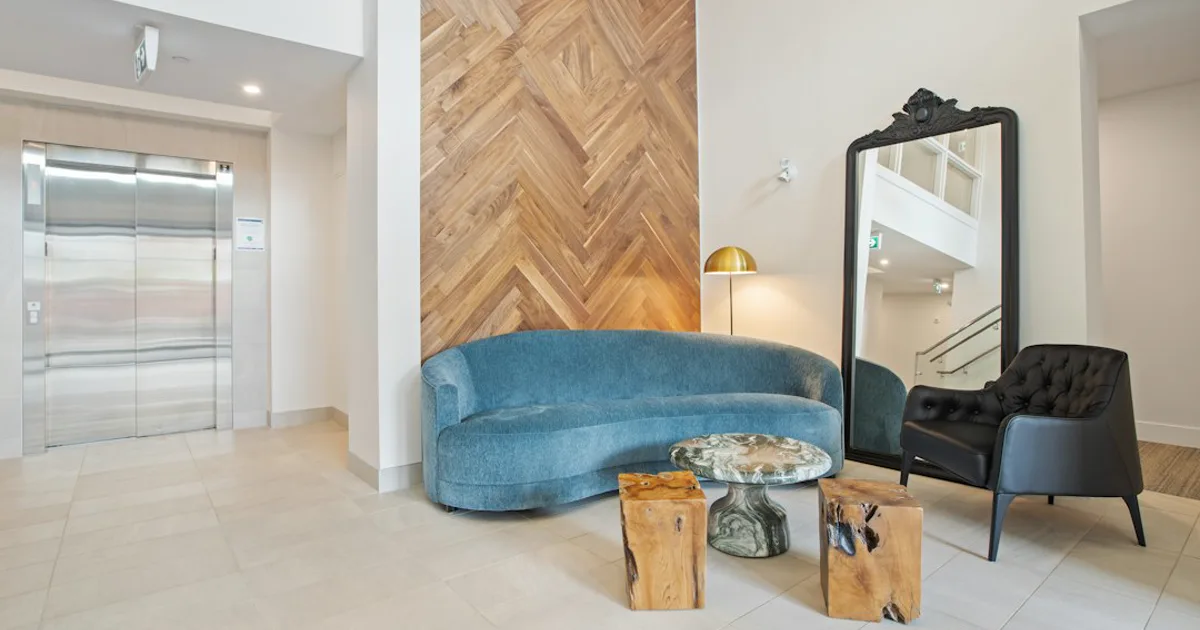
Common area cleaning is an unusual line item. Every owner experiences it, every day. Nobody studies the reserve study on the way to the mailbox, but everyone notices a smudged lobby door or a trash room that announces itself from the elevator. It's also one of the most underspecified entries in an association's vendor file — often a single line reading "janitorial service, monthly," with no scope attached at all.
That vagueness cuts both ways. Write too little and you get complaints, surprise invoices, and avoidable slip-and-fall exposure in the stairwells. Write too much and you're quietly spending assessment dollars on frequencies nobody asked for. What follows is the practical version: what counts as a common area, how to write the scope zone by zone, how often each zone genuinely needs attention, what moves the price, and how to carry it all across a fiscal year.
What Counts as a Common Area (and What Usually Doesn't)
Most associations share a predictable set of interior zones — entry vestibules and lobbies, interior corridors, stairwells and landings, elevator cabs, mail and package rooms, and the trash room or chute closet. Larger communities stack amenity and administrative space on top of that: a fitness room, clubhouse or community room, pool restrooms and changing areas, guest restrooms, a management office.
The boundary is where disputes start. Unit interiors, private balconies, and limited common elements are normally the owner's problem, and that line gets drawn by the governing documents rather than the cleaning contract. Exterior hardscape — walkways, entry aprons, parking structures — usually sits under a separate landscaping agreement. Write the handoff down explicitly. "The cleaners will get it" is an expensive assumption about a walkway nobody is contracted to touch.
Shared circulation space deserves real attention. Federal workplace rules expect passageways and walking surfaces to be kept clean and orderly, dry to the extent feasible, and free of spills, snow, and ice. That isn't always an association's direct legal obligation — but it's roughly the benchmark a plaintiff's attorney will reach for after a fall in a stairwell.
Writing the Scope of Work, Zone by Zone
A usable scope carries four columns on every line: zone, task, frequency, and who supplies the materials. Drop any one of them and that line gets argued about later. "Clean the lobby" means one thing to a board and something else to a crew leader. The fix is specificity, not a longer contract.
Here's what that looks like written out:
- Lobby: dust-mop and damp-mop tile, spot-clean entry glass on both sides, wipe door hardware and push plates, empty and reline receptacles — five times weekly.
- Corridors: vacuum carpet traffic lanes twice weekly, full-width vacuum once weekly, spot-treat stains as found, dust baseboards monthly.
- Elevator cab: wipe interior panels and both button panels daily, vacuum or damp-mop the cab floor daily, polish stainless weekly.
- Trash room: wash the floor and reline containers three times weekly, wipe the chute door and handle daily, deodorize weekly.
Cleaning versus disinfecting belongs in the scope too — as a budget decision, not a marketing flourish. EPA guidance is to limit disinfectant use to areas where people are likely to contact contaminated surfaces, meaning door hardware, rails, buttons, and restroom fixtures, and it notes that plenty of general-purpose work on walls, floors, and other low-contact surfaces needs no disinfectant at all. Writing that distinction down trims chemical spend and cuts the volatile-organic-compound load in enclosed corridors and mail rooms — exactly where residents complain about smell.
Waste and pest language deserves its own lines. The federal sanitation standard calls for refuse receptacles that are leak-proof, cleanable, and covered unless they can be kept sanitary uncovered, waste removed as often as necessary to keep the space sanitary, and enclosed areas maintained to keep rodents and insects from taking hold. So trash-room frequency is a scope decision with consequences — it's the zone where cutting one weekly visit shows up fastest. Before signing or renewing, review what a written scope of work should spell out.
How Often Each Zone Actually Needs Attention
Frequency should follow traffic and touch exposure, not square footage. CDC facility guidance is blunt about the baseline: regular cleaning is enough to prevent the spread of germs in most situations, with high-touch items — door handles, stair rails, elevator buttons, touchpads, restroom fixtures, counters — getting attention more often than surfaces people rarely contact, which only need it when visibly soiled. Disinfection is held in reserve for areas where someone has obviously been ill, or when a local health authority recommends a specific procedure during an outbreak.
A realistic starting cadence for a mid-sized association:
- Daily or five times weekly: lobby, vestibule, elevator cab, shared restrooms, trash chute room.
- Two to three times weekly: primary corridors on high-traffic floors, fitness room, stairwell landings.
- Weekly: secondary corridors, mail room detail, amenity room reset, glass and stainless detail.
- Monthly or quarterly: baseboards, vents and light fixtures, interior window glass — with carpet extraction and hard-floor restoration on their own separate calendar.
Occupancy changes the answer. Rental-heavy buildings, pet-friendly communities, and 55-plus associations each load the schedule differently, and cleaning frequency varies by facility type. In the North Metro, though, season is the biggest swing: entry matting, extra damp-mop passes, and ice melt tracked in on boots can roughly double entry-zone labor from December through March. Build that uplift in rather than pretending February is the same work as July. For a worked model, see this zone-by-zone common area cleaning schedule.
What Actually Drives the Price
Labor is the line item. The 2025 national median wage for janitors and building cleaners was $17.71 per hour, or $36,840 per year — and that's before payroll taxes, insurance, supervision, supplies, equipment, and margin. A bid that prices total labor materially below that floor is a question to ask, not a bargain to grab.
The same data explains why crew consistency is a real differentiator rather than a sales line: employment is projected to grow only about 2 percent from 2025 to 2035, yet roughly 321,800 openings are expected annually, almost entirely to replace workers who leave.
Past wages, five levers move the number:
- Total cleanable square footage, and how much of it is hard floor versus carpet.
- Frequency — the multiplier that dwarfs everything else in the annual total.
- Access and timing: after-hours work, key and fob management, elevator reservations, loading-dock constraints.
- Consumables: whether paper products, liners, and hand soap are included or billed through at cost.
- Specialty cycles: carpet extraction, floor refinishing, window washing, and pressure washing, which usually sit outside the base agreement.
How a vendor packages all of that varies widely, and proposals get easier to compare once you understand how janitorial companies structure their pricing.
Budgeting the Line Item Across the Fiscal Year
Split the expense into three buckets before putting a number on it. Recurring janitorial service is the predictable monthly operating line. Periodic restorative work — carpet extraction, hard-floor refinishing, window washing — is either annualized as an operating item or reserve-funded, depending on how the reserve study classifies it. The third bucket is the one boards forget: unbudgeted events. Move-out damage, water intrusion cleanup, post-event amenity resets, construction dust from a unit renovation. A modest contingency against the recurring line keeps those out of special-assessment territory.
Build the recurring number from the schedule, not from last year's invoice. Price each zone's frequency, total it, then stress-test the result — what happens if the board adds a floor to daily service, or layers a winter uplift onto the entries? Boards weighing a direct hire against a vendor should also run the in-house versus contracted cost comparison, because the hourly rate on paper rarely captures payroll, coverage, and supervision.
Expect wage-driven escalation language in any multi-year agreement. A contract with no escalation clause usually implies a short term or a mid-term renegotiation. And document the inspection loop: walking surfaces are expected to be inspected regularly and hazards corrected before the area is used again, which makes a logged walkthrough far better quality control than waiting on resident complaints.
Frequently Asked Questions
How often should HOA common areas be cleaned?
Follow traffic and touch exposure rather than one blanket schedule. In most associations, lobbies, entryways, elevators, and shared restrooms get attention daily or several times a week; interior corridors and stairwells weekly; amenity rooms on a cadence matched to how heavily they're booked. Low-contact surfaces such as walls and baseboards are handled periodically or as needed.
What should an HOA common area cleaning contract include?
At minimum: a written scope listing every zone by name, the tasks in each, the frequency per task, who supplies consumables, how trash rooms and chutes are handled, what counts as an extra billable visit, and how issues get reported. "Clean the lobby" is interpretable; "dust-mop and damp-mop lobby tile, spot-clean glass entry doors, wipe both door handles, empty and reline two receptacles, five times weekly" is not.
Is HOA common area cleaning paid from the operating budget or reserves?
Recurring janitorial service is an operating expense, funded by regular assessments. Periodic restorative work — carpet extraction, hard-floor refinishing, window washing — is sometimes an annual operating item and sometimes reserve-funded, depending on how the reserve study and governing documents classify it. Confirm the treatment with your management company or accountant before the budget is adopted.
Should an HOA hire its own cleaner or contract a janitorial company?
It depends on hours and risk tolerance. A direct hire can work for a large association with enough daily volume to justify a position, but the association then owns payroll taxes, workers' compensation, supervision, equipment, and coverage when that person is out. A contracted vendor carries its own insurance and backup staffing, which is why most small and mid-sized associations outsource.
Your HOA Common Area Game Plan
The scope document is the budget. Once zones, tasks, and frequencies are written down, cost and complaints and liability exposure all become manageable at once — and bids turn comparable, instead of arriving as monthly numbers with nothing behind them.
A practical next step: walk the property with the current scope in hand and mark every zone the document doesn't actually name. That list is your gap analysis, and it usually takes under an hour. Neat & Clean Co provides commercial cleaning across the Minneapolis North Metro, including condo and HOA common areas, and boards comparing options can request an estimate built from a zone-level scope rather than a square-foot guess.
This article is for general informational purposes only. Cleaning scope, frequency, and pricing vary by facility size, type, and condition. Service availability depends on your location within Neat & Clean Co's service area. Contact us for a quote specific to your facility.
Related articles

Apartment Common Area Cleaning Schedule: A Property Manager's Guide
Common areas are the part of an apartment property every prospect and every resident walks through, and the part most likely to get cleaned reactively. This guide shows property managers how to build a written common area cleaning schedule in frequency tiers, what each zone actually needs, where federal guidance gives you a number and where it doesn't, the OSHA housekeeping and inspection duties sitting underneath the schedule, the Minnesota winter layer, and how to price the hours.
Apartment Turnover Cleaning Cost Per Unit: 2026 Price Guide
Turnover cleaning is one of the few line items a property manager pays dozens of times a year without ever seeing how the number was built. This guide breaks down what a per-unit make-ready price actually buys, typical 2026 ranges by unit size and condition, the wage and overhead math underneath a quote, and the federal thresholds where a cleaning job stops being a cleaning job and becomes a remediation scope with its own budget line.
Apartment Turnover Cleaning Checklist for Multifamily Properties
Every vacant unit is lost revenue until it's leased again. This apartment turnover cleaning checklist walks property and facility managers through a repeatable, room-by-room make-ready process, plus when to clean versus disinfect, how to handle pest prevention and common areas, and the lead-safe rules that apply to older buildings.