Apartment Common Area Cleaning Schedule: A Property Manager's Guide
Common areas are the part of an apartment property every prospect and every resident walks through, and the part most likely to get cleaned reactively. This guide shows property managers how to build a written common area cleaning schedule in frequency tiers, what each zone actually needs, where federal guidance gives you a number and where it doesn't, the OSHA housekeeping and inspection duties sitting underneath the schedule, the Minnesota winter layer, and how to price the hours.
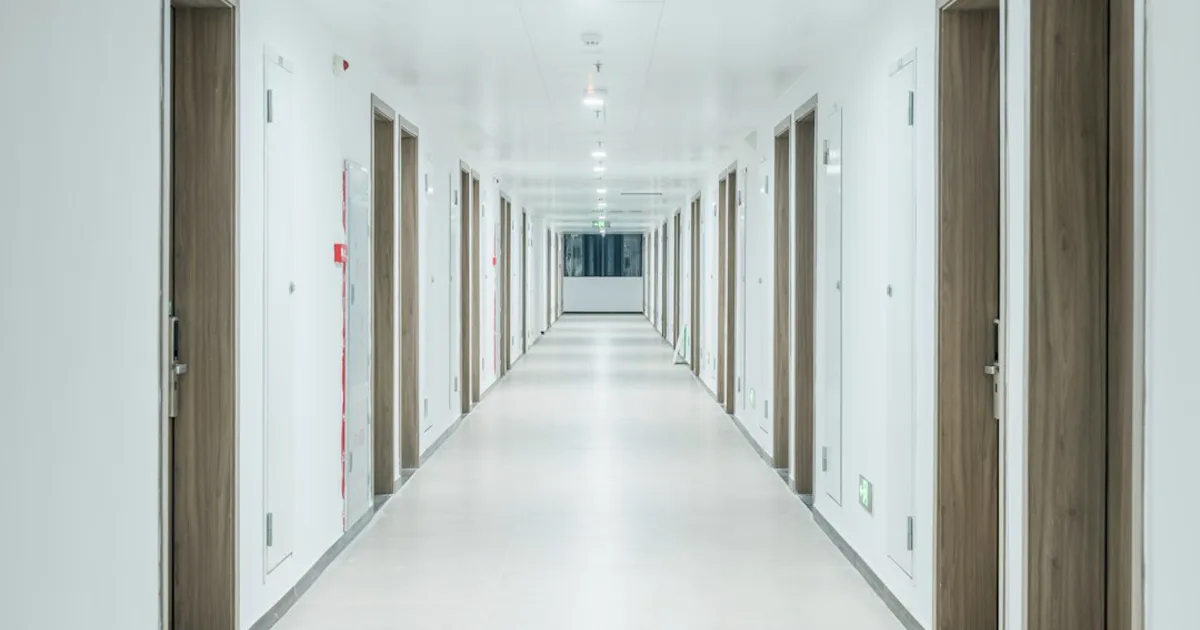
Why Common Areas Set the Tone for the Whole Property
A resident forms their impression of your building before they reach their own door. It happens in the vestibule, in the elevator, in the hallway with the scuffed baseboard. Those shared spaces are the one part of the property every prospect, resident, vendor, and lender walks through — and in most buildings, they're also the part that gets cleaned reactively, whenever somebody complains loudly enough.
An apartment common area cleaning schedule fixes that. It sets the cadence in advance instead of letting last week's complaint set it, and done well, it's a document you can staff against, budget from, inspect with, and hand to a vendor. What follows is how to build it in frequency tiers, what each zone needs, the safety obligations sitting underneath it, the winter layer Minnesota properties can't skip, and what the cadence costs to run.
Why a Written Common Area Cleaning Schedule Holds Up
Ad-hoc cleaning fails in predictable places
When complaints set the frequency, the lobby gets over-served and the back stairwell gets forgotten — because nobody photographs a stairwell for a tour. The failure always lands in the low-visibility, high-liability zones.
A written schedule also survives staff turnover, and turnover in this trade runs high. The Bureau of Labor Statistics projects about 321,800 openings for janitors and building cleaners each year through 2035 against only 2 percent employment growth — meaning the churn is replacement-driven rather than expansion-driven. A documented route is what a new cleaner inherits on day one. An undocumented one walks out the door with the person who left.
What the schedule actually buys you
Four things: a defensible record if a slip-and-fall claim asks what your cleaning practice was, a budget line you can forecast instead of true up, a scope specific enough to hand a janitorial vendor, and a standard you can inspect against. If you're setting cadence across a mixed portfolio, see how cleaning frequency shifts by facility type before assuming multifamily behaves like office.
Build the Schedule in Frequency Tiers
Tiers beat a single task list, because the same building needs some surfaces touched every service day and others four times a year.
Daily or every service day
Lobby and vestibule floors, entry glass, and the touchpoints: door handles and push plates, elevator buttons and call panels, stair rails, mailroom counters, package-room touchpads. Shared restroom fixtures. Trash-room tidy and liner change. A spot-check pass down the main corridors to catch spills and debris.
Weekly
Full corridor vacuum or dust-mop. Stairwell sweep and rail wipe. Laundry-room machine exteriors, lint traps, and folding surfaces. Fitness-room equipment wipe-down and mirrors. Amenity-room tables and chairs. Interior glass, and entry mats lifted so the floor underneath gets cleaned rather than sealed under rubber.
Monthly
Baseboards and corner build-up. High dusting — light fixtures, sprinkler escutcheons, exit signage, corridor HVAC return grilles. Elevator track detail and cab wall wipe. Door frames and kick plates. Trash-chute and dumpster-area wash-down.
Quarterly and annual
Carpet hot-water extraction in corridors and lobbies. Hard-floor refinishing or burnishing, depending on the finish you're running. Interior and exterior window cleaning. Stairwell deep clean. Light-fixture lens cleaning. Pressure washing of entry walks and garage aprons, scheduled seasonally.
Keep this tier separate from in-unit work. Turnover cleaning between residents belongs on its own line item, or a heavy turnover month quietly eats the common-area hours you budgeted.
Set the tiers by traffic, not unit count
Unit count is a rough proxy. Door count past a given corridor is the real driver. An elevator building, a pet-friendly property, a building with an active amenity floor and a leasing office — each carries far more load than a walk-up with the same number of units.
Zone by Zone: What Each Common Area Actually Needs
Lobby, vestibule, and entryways
This is the highest-visibility, highest-soil-transfer zone in the building. A properly sized matting system does most of the work; the schedule's job is keeping that system functional rather than saturated.
Corridors
Carpet versus hard surface changes the entire program. Carpet needs routine vacuuming plus periodic extraction, and the extraction needs airflow planned in — the EPA notes that carpets and furnishings should be dried promptly after cleaning, with water-damaged material dried inside a 24-to-48-hour window.
Stairwells
Low visibility, real liability. Treads, nosings, rails, and lighting all matter here. Weekly sweep and rail wipe at minimum, and more than that in winter.
Elevators
Cab floors show every scuff, and buttons and call panels rank among the most-touched surfaces anywhere in the property. Tracks need monthly detail or they eventually jam.
Laundry, trash, and mail rooms
These rooms are enclosed, humid, odor-prone, and chemically sensitive. When cleaning products go into a small closed space, ventilation belongs in the procedure.
Fitness, amenity, and shared restrooms
Amenity spaces drive tour impressions well above their square footage, so equipment touchpoints, mirrors, and flooring earn outsized attention. Shared and leasing-office restrooms run the building's tightest frequency, driven by fixture count — the same logic behind commercial restroom cleaning standards.
Cleaning vs. Disinfecting High-Touch Surfaces
The CDC's list of frequently touched surfaces reads almost exactly like a multifamily common-area route: door handles, stair rails, elevator buttons, touchpads, restroom fixtures, counters, and light switches. Its guidance is to clean high-touch surfaces regularly and clean other surfaces when they're visibly dirty, because in most situations cleaning regularly is enough to limit the spread of germs.
Disinfection, in that framing, has triggers rather than a standing slot: areas where someone has obviously been ill, procedures recommended by local health authorities during an outbreak, or high-traffic surfaces where disinfecting supplements cleaning instead of replacing it. For your schedule, that means a documented protocol you can activate on an incident, layered on a standing daily touchpoint clean — and resident communications that skip the kill-rate percentages. If the distinction matters to your scope language, here's the difference between cleaning, sanitizing, and disinfecting.
Safety, Liability, and the Inspection Loop
The housekeeping floor underneath the schedule
Because on-site staff work in these spaces, common areas sit under a workplace standard too. OSHA requires that passageways, service rooms, and walking-working surfaces be kept clean, orderly, and sanitary, floors kept dry to the extent feasible, and hazards including spills, snow, and ice kept off them.
Inspection is a separate duty from cleaning
That same standard requires walking-working surfaces to be inspected regularly and as necessary, with hazards corrected before further use — or guarded until they are. A schedule with a cleaning cadence and no inspection-and-response loop is half-built. Spills, ice, and damage all happen between visits.
Wet work in an occupied building
OSHA housekeeping practice calls for cleaning only one side of a passageway at a time so a dry path stays available, plus good lighting in halls and stairwells. Pair that with wet-floor signage and a logged spill-response time, and you have a practice you can actually describe to a claims adjuster.
Minnesota Adds a Winter Layer
From roughly November through March, entryway load doesn't just increase — it changes the schedule. Salt, sand, and snowmelt arrive through every door, every day.
The additions: more frequent entry-mat service plus interim matting, more mopping at entries and corridor transitions, salt-residue floor treatment, and an exterior walk and stair-tread check tied into the inspection loop. OSHA names snow and ice explicitly, so that check isn't optional.
Watch the moisture side as you add wet work to a sealed winter building. The EPA advises keeping indoor relative humidity below 60 percent — ideally between 30 and 50 — and warns that water-heavy cleaning with the HVAC system off can push humidity high enough to create moisture problems of its own.
Staffing the Route and What the Cadence Costs
Labor is the budget. Supplies are a rounding error next to it. BLS puts the median wage for janitors and building cleaners at $17.71 per hour, or $36,840 per year, as of May 2025, with the distribution running from under $13.77 to above $24.17. The hours you schedule, not the chemicals you buy, decide the number.
Build the budget from route time, then: zones multiplied by frequency multiplied by realistic minutes, with the monthly and quarterly tiers priced as scheduled projects rather than folded into the daily hour. Timing is its own decision. Commercial janitorial work skews toward evenings because offices get cleaned while empty, but apartment common areas never are, and residents are most present after work — so the multifamily equivalent is a quiet weekday window. If you'd like a second read on your zone list, we handle apartment and multifamily cleaning in the Minneapolis North Metro.
Frequently Asked Questions
How often should apartment common areas be cleaned?
There's no federal frequency rule for multifamily common areas, so the cadence is a management decision driven by traffic and soil load. Most properties land on a daily or weekday pass through the lobby, main corridors, elevators, and shared restrooms, weekly attention to stairwells, laundry and trash rooms, and amenity spaces, then monthly and quarterly deep-clean tasks on top. CDC guidance supports that shape: clean high-touch surfaces regularly, clean other surfaces when visibly dirty, and clean more often in high-traffic areas.
What is the difference between cleaning and disinfecting common areas?
Cleaning physically removes soil and germs from a surface; disinfecting uses a registered chemical to kill germs that remain. The CDC's position is that routine cleaning is enough in most situations, and that disinfection belongs to specific triggers — areas where someone has obviously been ill, outbreak guidance from local health authorities, or heavy-traffic surfaces where it supplements cleaning. For a schedule, that's a daily touchpoint clean plus a disinfection protocol you can activate.
Who is responsible for cleaning apartment common areas?
The owner or manager is, as a matter of both lease structure and premises liability. Common areas aren't assigned to any one resident, so the cost sits in operating expenses or is recovered through common-area maintenance charges. OSHA's housekeeping standard also requires passageways and walking-working surfaces be kept clean and free of hazards such as spills, snow, and ice, with regular inspection and prompt correction. Whether on-site staff or a contracted provider does the work, accountability stays with the property.
Should apartment common area cleaning happen during the day or at night?
Low-traffic windows, which in multifamily usually means mid-morning to mid-afternoon on weekdays rather than true overnight. Commercial janitorial work often runs in the evening because offices are empty then, but apartment corridors and lobbies never are, and residents are most present after work. Scheduling wet work for the quiet middle of the day reduces slip exposure and makes the one-side-of-the-passageway practice OSHA recommends far easier to honor.
Your Common Area Cleaning Game Plan
Write the tiers down, assign them by traffic rather than unit count, and keep the inspection loop separate from the cleaning route. Those three decisions do most of the work.
Start with a zone walk and an honest read on soil load, set your daily, weekly, monthly, and quarterly tiers, then price the hours against them. Neat & Clean Co services multifamily properties across the Minneapolis North Metro, and we're glad to walk a building with you — request an estimate and we'll scope it zone by zone.
This article is for general informational purposes only. Cleaning scope, frequency, and pricing vary by facility size, type, and condition. Service availability depends on your location within Neat & Clean Co's service area. Contact us for a quote specific to your facility.
Related articles
HOA Common Area Cleaning: Scope, Frequency, and Budgeting
Common area cleaning is the HOA expense every owner sees every day, and the one most often left vague in the contract. This guide breaks down which zones belong in the scope, how to write tasks and frequencies that hold up under scrutiny, what actually moves the price, and how to split the recurring, periodic, and contingency pieces across a fiscal year budget.
Apartment Turnover Cleaning Cost Per Unit: 2026 Price Guide
Turnover cleaning is one of the few line items a property manager pays dozens of times a year without ever seeing how the number was built. This guide breaks down what a per-unit make-ready price actually buys, typical 2026 ranges by unit size and condition, the wage and overhead math underneath a quote, and the federal thresholds where a cleaning job stops being a cleaning job and becomes a remediation scope with its own budget line.
Apartment Turnover Cleaning Checklist for Multifamily Properties
Every vacant unit is lost revenue until it's leased again. This apartment turnover cleaning checklist walks property and facility managers through a repeatable, room-by-room make-ready process, plus when to clean versus disinfect, how to handle pest prevention and common areas, and the lead-safe rules that apply to older buildings.