Commercial Cleaning Frequency by Facility Type: How Often Is Enough?
Most buildings inherit their cleaning frequency from whoever signed the last contract — not from how the space is actually used. This guide breaks down what really sets frequency, the four tiers every schedule is built from, and typical service levels for offices, warehouses, multifamily common areas, retail, and senior-living facilities, plus how to right-size the number of visits against your budget without the building showing it.
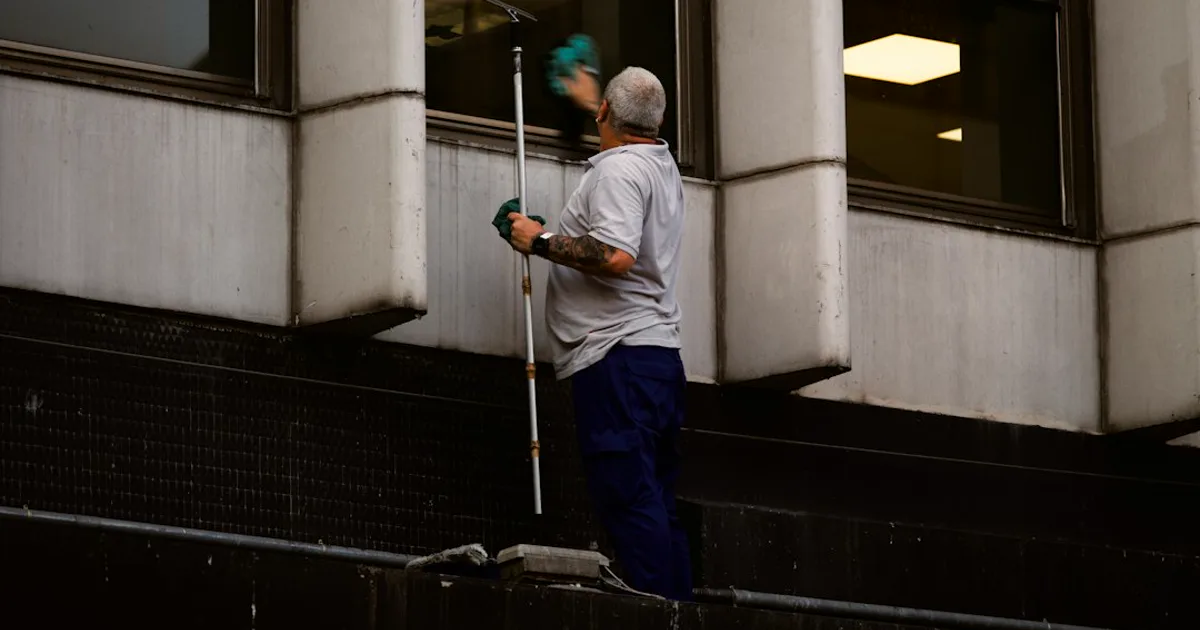
Ask ten facility managers how often their building gets cleaned and you'll get ten confident answers, most tracing back to a number somebody picked years ago. Nightly, because the tenant next door is nightly. Three times a week, because that's what fit the budget in the original bid. Neither one is a schedule. They're habits with an invoice attached. Getting commercial cleaning frequency right by facility type is the biggest lever you have over what you spend and whether anyone complains, because frequency is what you're actually buying when you sign a janitorial contract. Here's what determines it, the four tiers every scope splits into, and what typical schedules look like building by building.
What Actually Sets Cleaning Frequency
Three factors, and square footage is not one of them
The CDC directs facilities to set frequency from three factors: the probability that a surface gets contaminated, how vulnerable the occupants are, and the potential for exposure through high-touch surfaces. Notice what's missing. Size doesn't appear anywhere on that list.
Most contracts blur that distinction. Square footage sets how long a visit takes — it's a labor-hours input. Traffic and occupant risk set how many visits you need. A 60,000 square foot warehouse running a twelve-person crew generates less soil in a week than a 6,000 square foot office with forty people, a shared restroom, and a coffee station.
Cleaning and disinfecting are different line items
CDC's facility guidance is blunt on this: in most situations, cleaning regularly is enough — high-touch surfaces on a regular schedule, other surfaces when visibly dirty, with disinfection reserved for where someone has obviously been ill or a local health authority recommends it. For an ordinary commercial building, what you need is frequent, consistent cleaning, not a nightly chemical protocol. And where disinfection is used, the surface has to stay wet for the product's full contact time to work as labeled.
The Four Frequency Tiers Every Schedule Is Built From
Whatever the facility type, a workable scope sorts every task into one of four tiers.
Daily, or every service visit
- Trash and recycling. Not negotiable: OSHA's general-industry sanitation standard requires waste receptacles be emptied not less frequently than once each working day and kept sanitary — a regulatory floor, independent of your contract.
- Restrooms. CDC's area-based recommendations put private or low-use restrooms at a minimum of once daily, and shared or public restrooms at a minimum of twice daily for high-touch surfaces. For task-level detail, see our breakdown of restroom cleaning frequency and checklist.
- Break rooms, entry glass, door hardware, high-touch fixtures. The surfaces CDC names — door handles, stair rails, elevator buttons, touchpads, restroom fixtures, desks.
Weekly
Detail dusting, baseboards, partition walls, interior glass, vacuum edging, low-traffic rooms on rotation. CDC puts low-touch surfaces — walls, baseboards, cupboard tops — on a scheduled basis, using weekly as the example, plus whenever they're visibly soiled. These are the tasks most likely to quietly fall off a route.
Monthly and quarterly
High dusting, vent faces, light diffusers, floor machine work, carpet spotting. Maintenance rather than housekeeping — it belongs on a calendar, not a nightly checklist.
Annual and as-needed
Carpet extraction, strip-and-wax or deep scrub cycles, exterior window work, post-event response. One exception overrides every tier: blood and body-fluid spills require immediate two-step attention — mechanical cleaning followed by disinfection — no matter what the schedule says for that area.
Offices and Professional Suites
Most offices land between two and five service nights a week, and the dividing line is traffic and client exposure, not floor plan. An agency with twenty-five or more people in the space, or clients walking through it, generally needs five nights. A quiet suite with eight people and a private restroom is usually well served at two or three, provided restrooms and trash stay on an every-visit footing.
What pushes frequency up: shared restrooms, client traffic, open-plan density, food eaten in the space, carpet. What lets it come down: hard flooring, low headcount, private restrooms, genuinely light occupancy. Our deeper look at how often an office should be professionally cleaned walks through the headcount math.
One adjustment worth making: frequency should follow occupied days, not calendar days. A hybrid office that fills up Tuesday through Thursday rarely needs Friday night service, and moving that visit earlier in the week usually costs nothing.
Warehouses, Distribution Centers, and Light Industrial
Warehouse schedules confuse people because the buildings are enormous and the recurring scope is small. Typical service runs one to three visits a week, concentrated on the office, break room, and restroom block, with floor work on a separate periodic cycle.
Headcount and dock activity drive that number, not the building envelope. Even on a light schedule, three things stay daily wherever the facility is occupied: restrooms, break rooms, and trash. The OSHA floor applies to a warehouse exactly as it does to a law office. Floor and dust management then runs on its own track — sweeping or auto-scrubbing tied to traffic lanes, and high dusting on racking quarterly or semiannually, which is where the real soil hides. Our guide to warehouse and industrial cleaning standards covers the scope side.
Multifamily, Retail, and Other High-Traffic Shared Space
Multifamily common areas
Lobbies, corridors, elevators, mail rooms, fitness rooms, and laundry rooms generally run three to five visits weekly, with trash rooms serviced daily wherever chutes are in active use. Resident impressions concentrate in the first fifty feet of the building, so if the budget forces a choice, weight the schedule toward entry, lobby, and elevator cabs. Turnover cleaning sits outside all of this — it's project work, priced per unit.
Retail and public-facing space
Public restrooms and entry areas carry the highest frequency in almost any retail building, and the twice-daily benchmark CDC applies to shared restrooms reads as a floor rather than a ceiling once foot traffic climbs. Front-of-house glass and floors often need a short daytime touch-up on top of the nightly route. A thirty-minute midday pass does more for how the store reads than an extra hour after close.
Senior Living, Medical Suites, and Other Vulnerable Occupancies
When occupants are more vulnerable to infection, frequency climbs independent of how busy the space is. That's the second of CDC's three factors doing the work, and it's why a quiet assisted-living common room may need more service than a far busier retail floor.
These facilities typically run daily service with twice-daily high-touch rounds in common areas and shared restrooms, and exam rooms cleaned between uses. CDC's healthcare benchmarks suggest the ceiling: intensive-care high-touch surfaces twice daily and as needed, examination areas after each case, medication prep surfaces before and after every use. Most senior-living space doesn't need hospital cadence. The structure, though — risk-ranked, written down, with named frequencies — is worth borrowing. See our guide to senior-living facility cleaning standards.
Periodic Work That Does Not Belong on the Recurring Route
Carpet extraction, hard-floor strip and wax or burnishing, window work, upholstery, high dusting, vent faces, and construction dust remediation are scheduled projects. Pricing them inside the nightly rate inflates your recurring number and hides whether the base service is priced fairly. Broken out, they can be moved or deferred without renegotiating the core schedule — our comparison of deep cleaning versus regular cleaning covers where that line falls.
Right-Sizing Frequency Against Your Budget
Build the schedule from a walkthrough, not a template
CDC's program guidance is direct about method: use a facility-specific risk assessment to develop cleaning schedules that specify frequency, method, and responsible staff for each area. In plain terms, that's a walkthrough where you sort every space into a tier and write the frequency next to it. A scope of work without frequencies attached is a wish list.
Labor is the lever
Every added visit is mostly added labor. The Bureau of Labor Statistics puts the median hourly wage for janitors and building cleaners at $17.71 as of May 2025. Which is why moving from four nights to three changes an invoice far more than trimming a few tasks does — and why reductions should come out of the weekly and monthly tiers first.
Write it down, then verify it
Where cleaning is contracted out, CDC's guidance recommends the service agreement spell out staffing, training cadence, the schedule itself, monitoring methods, and who provides supplies. Then inspect against that document rather than a general impression — a short monthly walkthrough on the weekly and monthly tasks catches drift that nightly work never shows. Neat & Clean Co builds schedules this way across the Minneapolis North Metro; see where we work on our commercial cleaning service areas page.
Frequently Asked Questions
How often should a commercial building be cleaned?
It depends on traffic and who occupies the space, not square footage. In practice that puts a busy office or clinic on five nights a week, a low-headcount suite on two or three, and a warehouse with a small crew on one or two — with restrooms, break rooms, and trash serviced daily in nearly every occupied building.
What is the difference between daily, weekly, and monthly cleaning tasks?
Daily tasks cover the surfaces people touch and the waste they generate: trash, restrooms, break rooms, entry glass, door hardware, high-touch fixtures. Weekly tasks cover surfaces that soil more slowly — detail dusting, baseboards, partition walls, interior glass. Monthly and quarterly tasks are maintenance: high dusting, vent faces, floor machine work, carpet extraction.
Can I reduce cleaning frequency to save money without the building looking worse?
Often yes, but only in the right direction. Cutting nights shows up fast in restrooms, break rooms, and entryways. Moving detail work onto a rotating weekly cycle while keeping restrooms and trash daily is the change most facilities absorb without complaints — and it belongs in the scope with the new frequency written next to each task.
How do I verify my cleaning company is actually hitting the scheduled frequency?
Ask for the schedule in writing with a frequency next to every task, then inspect against it. CDC's program guidance recommends routine sampling of a subset of areas with documented feedback to the crew, plus a full review every one to two years. For a commercial building, that means a short monthly walkthrough on the weekly and monthly tasks.
Build Your Schedule From Risk, Not Habit
Frequency is a risk decision with a price tag attached. Walk the building, sort every task into daily, weekly, monthly, or periodic, and let traffic and occupant vulnerability decide how many visits you buy — not the square-foot number on the lease. Then revisit it when headcount, hours, or use of the space changes; a schedule set three years ago describes a building that no longer exists. If you'd rather not walk it alone, request an estimate and we'll put a frequency recommendation in writing for your facility.
This article is for general informational purposes only. Cleaning scope, frequency, and pricing vary by facility size, type, and condition. Service availability depends on your location within Neat & Clean Co's service area. Contact us for a quote specific to your facility.
Related articles

Commercial Cleaning Contract Length: Month-to-Month vs Annual
Most facility managers treat cleaning contract length as a question of how long they're locked in. It's really a question of price and leverage. Here's what a month-to-month term actually buys you, what an annual agreement actually buys you, and why the renewal, notice, escalation, and termination clauses deserve more of your review time than the number of months on the signature page.
One-Time Commercial Cleaning Cost: Deep Clean Pricing Guide
A one-time deep clean rarely matches the per-square-foot numbers you find online, because project work is priced on condition rather than area. This guide breaks down what a one-time commercial cleaning scope actually covers, the three structures providers use to price it, the five factors that move your quote the most, which add-ons sit outside the base bid, and how to put competing proposals on equal footing before you sign anything.

How to Write a Commercial Cleaning RFP: Template and Tips
Four cleaning bids on the same building can land anywhere from $1,400 to $4,900 a month — usually because each bidder priced a different job. A written RFP is what makes those numbers comparable. Here is the document section by section: facility profile, a task-and-frequency scope of work, insurance and OSHA submission requirements, product specifications you can actually verify, and an evaluation structure that scores more than price.