Post-Construction Cleaning Checklist for General Contractors
The final clean is the last thing standing between a general contractor and substantial completion, and it is usually the least precisely scoped item on the schedule. This phase-by-phase checklist covers what belongs in the rough clean, why construction dust control is a regulated activity rather than a labor line, the HVAC steps that have to happen before occupancy, and how to hand a cleaning vendor enough detail to return a comparable number.
Why the Final Clean Deserves a Real Scope
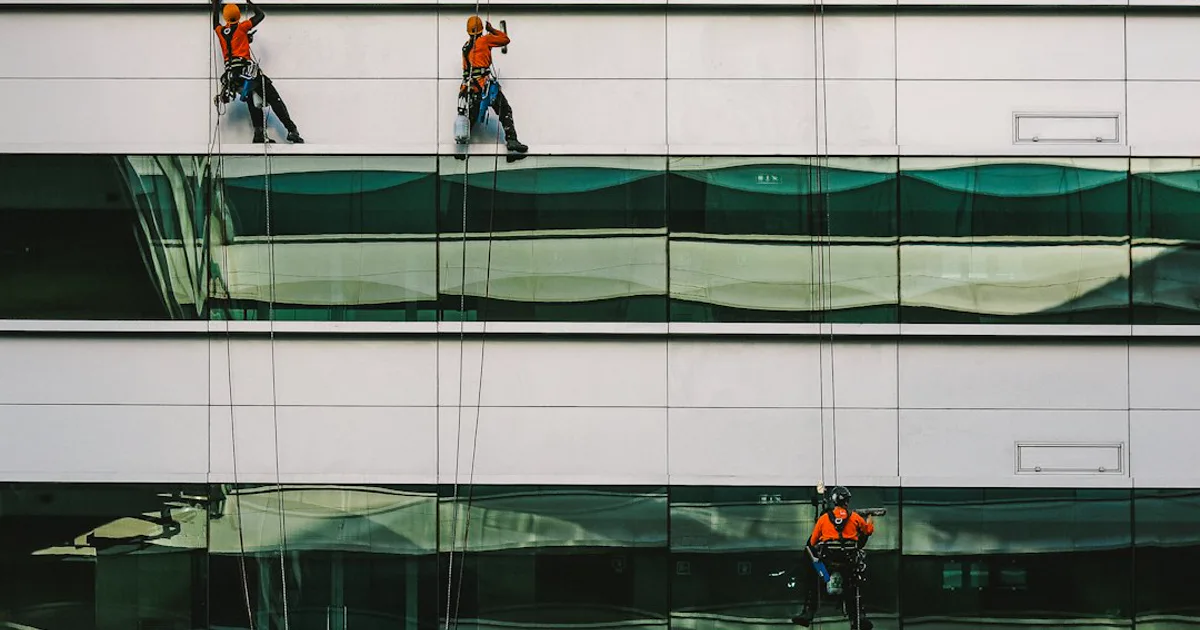
The final clean is the last thing standing between a general contractor and substantial completion. On most jobs, it's also the least precisely scoped item on the schedule. Everything else gets a submittal or a cut sheet. Cleaning gets a line item and a square-foot number.
That gap has a cost. A rejected owner walkthrough burns float you don't have in the last two weeks, a dust complaint after move-in becomes a warranty call, and the housekeeping obligations that run during the build are enforceable requirements rather than courtesies to the finishing trades. What follows is a phase-by-phase checklist built for whoever is holding the schedule.
What a Post-Construction Cleaning Checklist Has to Cover
Start with the span, because that's where most scopes go wrong. Post-construction cleaning doesn't begin after construction — it begins during it, and runs through three passes with different crews, equipment, and timing. The three phases of post-construction cleaning are worth treating as separate scopes. Across all three, any usable checklist carries four workstreams:
- Debris and waste — bulk material out, continuously, and sorted on the way.
- Dust — the fine settled material that decides whether the finishes look finished.
- Air systems — ductwork, grilles, filters, and the order they get touched in.
- Finished surfaces — the detail pass the owner actually inspects.
Read that as a sequencing document, not a chore list.
Phase 1 — The Rough Clean: Debris, Housekeeping, and the Waste Stream
What comes out, and when
The rough clean is debris-driven, and it happens while trades are still working. Offcuts, packaging, banding, pallets, strapping — all of it gets staged and hauled on an interval, rather than piling up toward one end-of-job push.
This is also where the checklist stops being optional. OSHA's construction housekeeping standard requires that form and scrap lumber with protruding nails, and all other debris, be kept cleared from work areas, passageways, and stairs during the course of construction, with combustible scrap removed at regular intervals. Two hazard categories sit behind that language: slips and trips from clutter underfoot, and impalement from protruding fasteners. Because the obligation is continuing, a weekly debris sweep is a compliance activity — not a favor to the drywall crew.
Sorting the stream before the container is pulled
Most C&D debris is recoverable. EPA notes that concrete, asphalt, and rubble commonly head to aggregate, and that metals including steel, copper, and brass are valuable commodities to recycle. On a project with diversion targets, that credit starts with source separation on the deck.
The exceptions matter more than the diversion rate. EPA identifies asbestos, polychlorinated biphenyls, and lead as federally regulated constituents, and many states and local governments layer on requirements of their own. Make the hazardous-material determination and confirm local disposal rules before the container order — not after something questionable is already in the box.
Construction Dust Is a Regulated Hazard, Not Just a Finish Problem
The method matters more than the labor hours
Did anyone cut, grind, drill, or crush concrete, block, brick, stone, or mortar on your job? Then the dust now sitting on the floors and ledges is respirable crystalline silica. OSHA's construction standard caps exposure at 50 micrograms per cubic meter of air as an 8-hour time-weighted average, and it regulates the cleanup method directly: dry sweeping and dry brushing aren't permitted where that activity could contribute to silica exposure, unless wet sweeping or HEPA-filtered vacuuming are not feasible. Compressed air for blowing down surfaces carries the same restriction unless it's paired with a ventilation system that captures the dust cloud.
What is accepted: wet methods, HEPA-filtered vacuuming, and the proper use of commercially available dust-suppression sweeping compounds per the manufacturer's instructions. The consequence for a GC is concrete. "Sweep and remove construction dust" isn't a sufficient specification on a job with masonry work — the scope has to name method and equipment by task.
The back end of the dust
Dust control doesn't end when the vacuum fills. OSHA has addressed disposal directly: filters and dust should be handled to minimize exposure, which can involve disposing of filters and dust in sealed containers such as heavy-duty plastic bags, and that procedure has to be covered in the employer's written exposure control plan. A crew changing a HEPA filter over an open barrel has just re-released everything it spent the day collecting.
Where controls can't hold exposures down, respiratory protection is required — and NIOSH is clear that a respirator only performs as rated inside a complete program with medical evaluation, fit testing, training, and maintenance. So ask the cleaning vendor for the written exposure control plan. On any job with concrete, it's the fastest credential check available to you.
HVAC and Indoor Air Before Anyone Moves In
Air systems have their own order of operations, and most scopes skip it entirely. EPA states the sequencing rule plainly: during work that produces dust, seal off supply and return registers and do not operate the heating and cooling system until after cleaning up the dust. Running the system to condition a dusty space is how fine debris ends up in ductwork you then pay someone to clean.
For commercial space, EPA's large-building guidance adds the pre-occupancy steps: clean any HVAC components exposed to construction before the system serves occupied areas, inspect and clean ductwork and air-handling equipment, and replace all air filters before building occupancy. That same guidance describes a flush-out — forcing outdoor air through a completed building so emissions from new materials and finishes clear before occupancy — over periods ranging from days to several weeks.
Duct cleaning itself is conditional, not automatic. EPA warrants it for visible debris, particles coming out of supply registers, substantial visible mold, or vermin, so specify it on findings rather than by default. Your checklist entries here are narrow and sequential: register covers on before demolition, system locked out during dusty work, grilles and diffusers cleaned, filters changed at the end, flush-out scheduled with the owner.
Phase 2 — The Final Clean Checklist, Surface by Surface
The final clean happens after the last dusty trade finishes and before occupancy. One rule governs the whole pass: EPA's framing is that pre-occupancy cleaning goes beyond typical janitorial service and has to reach every horizontal surface where dust settles, plus ventilation grilles and newly installed materials. Work top-down, dry before wet, and make sure no dust-generating trade follows you.
- Glass and frames — interior and exterior glazing, mullions, tracks, sills, label residue, paint and texture overspray.
- Hard floors — a debris and HEPA pass first, then only the method the finish schedule allows. New VCT, polished concrete, LVT, and sealed hardwood each carry their own first-clean limits, and cure times govern.
- Carpet — HEPA vacuum, with extraction only if the manufacturer and installation date allow it.
- Fixtures and MEP — light lenses, switch and outlet plates, thermostats, sprinkler escutcheons, exposed conduit, and the ledges nobody looks at until the owner does.
- Millwork and casework — the inside of every cabinet and drawer, shelf surfaces, hardware, countertop seams, caulk lines.
- Restrooms and break areas — fixtures, partitions, mirrors, dispensers. Keep in mind that cleaning, sanitizing, and disinfecting are not the same step, so the spec should say which one it's buying.
- Doors and vertical surfaces — door tops, closers, frames, and wall scuffs within the limits of the paint finish.
Close the pass with a documented walk alongside the superintendent, room by room, with a written sign-off. A verbal pass is not a record when a dispute surfaces three weeks later.
Phase 3 — The Touch-Up Clean and the Punch List
Punch-list work reopens finished surfaces. Paint touch-ups, caulk, trim repairs, warranty fixes — they all put dust and fingerprints back into a space you already cleaned, which is exactly why the third pass exists. Scope it narrow and late: high-touch surfaces, glass, and floors in the affected rooms. The move that protects you is holding a defined touch-up allowance in the contract from the start, rather than renegotiating under pressure in the final week. Close with dated photos and a signed room-by-room acceptance.
Scoping the Work With a Cleaning Contractor
Comparable bids require comparable information. Give the vendor square footage by surface type, the finish schedule with cure limits, the trade sequence and access windows, the hazardous-material determination, and who supplies water, power, and disposal. Require back: method and equipment by task, the written exposure control plan, a current certificate of insurance, and a per-phase price instead of one lump number — what a cleaning scope of work should spell out applies here as much as to a recurring contract.
Three red flags: a bidder who never asks about the finish schedule, a crew planning to dry-sweep a concrete job, and a single price with no phase breakdown. Neat & Clean Co handles post-construction cleaning across the Minneapolis North Metro and prices the phases separately for exactly this reason.
Frequently Asked Questions
What is the difference between a rough clean and a final clean?
The rough clean runs while trades are still working and is debris-focused: bulk material out, floors cleared, passageways opened, waste stream sorted. The final clean comes after the last dusty trade and before occupancy, and it's detail-focused — every horizontal surface, glass, fixtures, millwork, grilles, and floor finish. Running it too early is the most common punch-list mistake, because one afternoon of sanding puts the dust right back.
Can a cleaning crew just sweep up construction dust?
Not if silica-generating work happened on the job. OSHA restricts dry sweeping and dry brushing where that activity could contribute to respirable crystalline silica exposure, unless wet methods or HEPA vacuuming are not feasible, and compressed air carries the same restriction. Cutting, grinding, and drilling masonry all generate that dust, and it stays on floors and ledges long after the saw is put away.
Who is responsible for post-construction cleaning, the GC or the owner?
On most commercial contracts the general contractor carries both the continuing housekeeping obligation during construction and the final clean required for substantial completion, with the specifics in Division 01. Trouble comes from the gap between what the spec requires and what the cleaning vendor priced, so read those two side by side before the schedule gets tight.
How long before occupancy should the final clean happen?
Late enough that no dust-generating trade follows it, early enough to leave room for the HVAC steps and a touch-up. EPA guidance recommends cleaning HVAC components exposed to construction, replacing filters, and running a flush-out with outdoor air before people move in — so the final clean lands before that window opens, not inside it.
Does post-construction cleaning change in an older building?
It can change the legal framing entirely. If the structure was built before 1978 and the work disturbed painted surfaces, EPA's Renovation, Repair and Painting rule applies, and anyone paid to perform work that disturbs paint in those buildings must be certified in lead-safe work practices, with its own cleanup and verification protocol. Make that determination at the front of the project, not when someone picks up a broom.
The Bottom Line: Put the Phases on the Schedule, Not in the Last Week
A post-construction cleaning checklist is a sequencing document before it's anything else. Debris removal is continuous and enforceable. The dust method is regulated, which means it belongs in the specification rather than in a crew's discretion. Air systems have their own order of operations running around the final clean. And the final clean only holds if nothing dusty follows it.
Put the three phases on the schedule alongside the trades, price them separately, and verify room by room with a signature. If you want a phase-priced scope for a project in the North Metro, request an estimate and we'll build it against your finish schedule.
This article is for general informational purposes only. Cleaning scope, frequency, and pricing vary by facility size, type, and condition. Service availability depends on your location within Neat & Clean Co's service area. Contact us for a quote specific to your facility.
Related articles
Construction Dust Removal: HVAC, Ducts, and Surface Cleaning
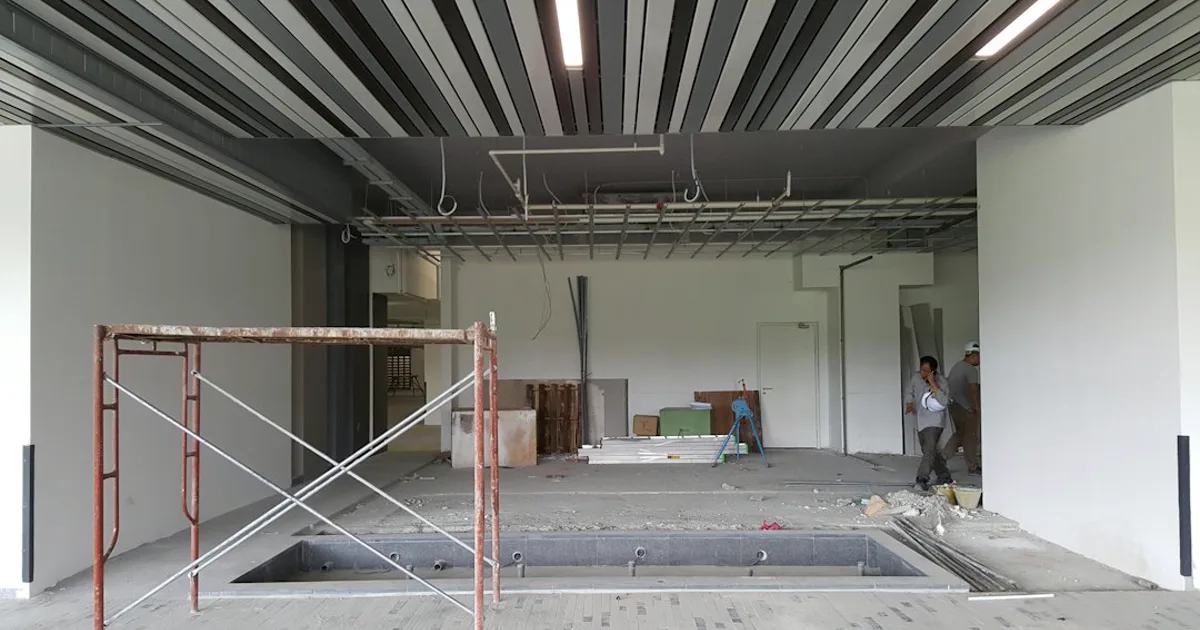
The punch list is signed and the finishes are in, but the building still fails the white-glove test. Construction dust is finer than ordinary facility dust, it keeps resettling for days, and where masonry or concrete was cut it is a regulated exposure hazard rather than a cosmetic one. Here is how construction dust removal is sequenced — protecting the HVAC system during the build, deciding whether the ducts genuinely need cleaning, and running the surface passes that hold.
Post-Construction Cleaning Phases Explained
A finished building isn't a usable one until the dust and debris are gone. Post-construction cleaning runs in three distinct phases—rough, final, and touch-up—each with its own purpose. Here's what happens in each, how crews handle silica dust safely, and what to ask before you hire a commercial cleaning partner.