High-Touch Surfaces in Assisted Living: A Cleaning Checklist
Which surfaces residents touch most, how to clean and disinfect them in the right order, and how an assisted living community can write the routine down and check it.
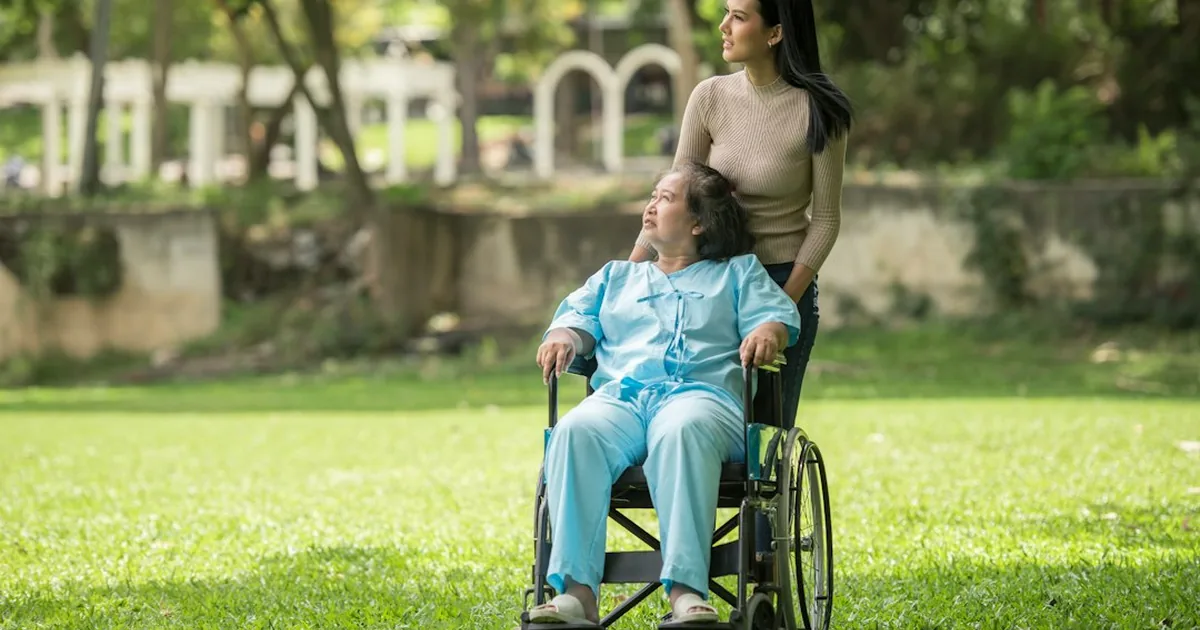
When a family tours an assisted living community, the question behind the question is usually how clean the place really is. The honest answer lives in small things: the door handle at the end of the hall, the call button by the bed, the handrail in the dining room. Residents and staff touch these dozens of times a day. A routine that names them one by one holds up better than a general instruction to wipe things down.
This guide is written for administrators and operations leads who want that routine on paper. It covers what counts as a high-touch surface, a checklist for resident rooms and shared spaces, how to clean and disinfect in the right order, and how to train and check the work.
What counts as a high-touch surface in assisted living
The CDC definition
The CDC's environmental infection control guidelines sort housekeeping surfaces by hand contact. Surfaces with frequent hand contact are the "high-touch" group. Surfaces with minimal hand contact, such as floors and ceilings, are the other group. The guidelines say high-touch surfaces should be cleaned and/or disinfected more frequently than the minimal-contact ones.
The examples the CDC gives for patient-care areas translate well to a senior living community: doorknobs, bedrails, light switches, overbed tables, the wall area around the toilet and the edges of privacy curtains. For general facilities, the CDC's cleaning and disinfecting page adds door handles, counters, desks, stair rails and elevator buttons.
Who decides how often
There is no single federal interval for assisted living. The CDC states that the methods, thoroughness and frequency of cleaning, and the products used, are determined by facility policy. It also notes that infection-control staff typically use a risk-assessment approach to identify high-touch surfaces and then set a strategy and schedule with housekeeping. In practice that means your community's written policy, your state's rules for assisted living and your clinical lead set the schedule, and a cleaning provider works to it.
For context only: a CDC healthcare cleaning procedures page lists high-touch surfaces on general inpatient wards at least once daily, and shared toilets at least twice daily. That page is written for hospitals and for facilities with limited resources, so treat those figures as a reference point, not an assisted living requirement.
Resident rooms and bathrooms
A resident's room is both a home and a care space, so the checklist has to respect belongings while still reaching every point of hand contact. Our guide to daily and turnover tasks for resident rooms covers the wider routine. For the touch points, a starting list looks like this:
- Door handles and the push plate or edge of the door, inside and out
- Light switches and dimmer dials
- Call buttons and pull cords
- Bedrails, transfer handles and the bed controller
- Overbed or bedside table surfaces
- Telephone and television remote, where the community supplies them
- Dresser and closet pulls
- Bathroom grab bars and toilet seat risers
- Faucet handles and the toilet flush handle
- The wall area beside the toilet, which the CDC names specifically
Personal items, medical equipment and anything the community's care team manages stay under the community's own rules. A cleaning scope should say plainly what the cleaning crew touches and what it leaves for care staff.
Common areas, dining and entrances
Shared spaces collect far more hands than any single room. Give them their own line items. Our article on high-touch surface cleaning in offices shows how the same thinking works in a different building type. For an assisted living community, list these:
- Entry door handles, push plates and keypad or intercom panels
- Hallway handrails along their full length
- Elevator call buttons and the buttons inside the car
- Dining tables, chair backs and armrests
- Activity room tables and shared equipment handles
- Shared restroom fixtures, flush handles, stall latches and paper dispenser levers
- Reception counter, sign-in pens and shared phones
- Thermostat panels and wall-mounted dispensers
The CDC says that in high-traffic areas, surfaces should be cleaned more often or disinfection should be added. Entrances, elevators and dining rooms fit that description, so they are the first places to ask whether your schedule matches how the space is really used.
Clean first, then disinfect
The most common mistake? Spraying disinfectant on a dirty surface and calling it done. The CDC is direct about the order: cleaning with soap or detergent comes first, and cleaning alone removes most types of harmful germs. Disinfecting is an added step, and dirt can keep a disinfectant from working. Product label claims are based on use on a pre-cleaned surface.
When your policy calls for disinfecting, the CDC's guidance comes down to a few habits:
- Use an EPA-registered product and read the label to confirm it suits the surface. Not all disinfectants work on all germs or all materials.
- Keep the surface wet for the full contact time. The contact time is on the label and the Safety Data Sheet. If the surface dries early, the label claim does not apply.
- Do not use a stronger mix than the label says. The CDC does not recommend it.
- Never mix products. Mixing chemicals can create a hazard.
- Ventilate and protect staff. Open doors and windows or use fans or HVAC, and wear the protective equipment the Safety Data Sheet recommends.
- Skip fogging as a main method. The CDC says fogging, fumigation and electrostatic spraying are not recommended as primary methods of surface disinfection unless the product label says otherwise.
Disinfecting is also tied to events, not only schedules. The CDC points to areas where someone has obviously been ill, such as where a person vomited, as a clear case for disinfection. For a closer look at what to ask about products in your building, see our list of questions to ask about cleaning chemicals.
Order of work and cloth handling
The path the work takes through a room matters as much as the product. The CDC's procedures page describes a simple pattern:
- Go from cleaner to dirtier areas, so dirt is not carried onto surfaces you just did.
- Work from top to bottom, with floors last.
- Use a consistent direction, such as clockwise, so nothing is skipped.
- Start each session with fresh cloths.
- Never double-dip a cloth into a shared bucket or container.
- Never shake mop heads or cloths, which can spread microorganisms.
- Never leave soiled mop heads or cloths soaking in buckets, and change mop heads and cleaning liquid at the end of each session.
In an assisted living building, that usually means common restrooms and resident bathrooms come after dining areas, hallways and bedrooms in a cleaning route, so cloths from the dirtiest spaces never return to the cleanest ones.
Training and checking the work
The CDC states that workers should receive periodic training in environmental surface procedures, and that monitoring adherence to cleaning and disinfection guidelines is an important part of any program. A few steps make that real:
- Turn the lists above into a written checklist for each area, with the high-touch items named.
- Have the person doing the work initial each area when it is complete.
- Walk the building with the checklist now and then, and look at a few touch points yourself.
- Review the checklist whenever the building's use changes, such as a new dining arrangement or a wing reopening.
The Bottom Line
Good surface cleaning in assisted living starts with a named list of touch points, a schedule set by your own policy and risk assessment, and a method that cleans before it disinfects and respects label contact time. If you are comparing how a provider would handle that scope, our senior living cleaning service areas page shows where we work, and you can request an estimate to talk through your building.
Frequently Asked Questions
What are high-touch surfaces in assisted living?
They are surfaces many hands touch often, such as doorknobs, light switches, bedrails, overbed tables, bathroom fixtures, handrails and elevator buttons. The CDC separates them from low-contact surfaces like floors and ceilings.
How often should high-touch surfaces be cleaned?
The CDC leaves the exact interval to facility policy, set after a risk assessment, and says high-touch surfaces should be cleaned more often than low-contact ones. Its hospital-oriented tables use at least once daily as a baseline, with shared toilets at least twice daily.
Is cleaning enough, or do surfaces need disinfecting too?
The CDC says cleaning alone removes most types of harmful germs. Disinfecting is an added step, used for example where someone has obviously been ill or where facility policy calls for it, and it always follows cleaning.
What is contact time?
It is the time a disinfectant must stay wet on a surface for its label claim to apply. You find it on the product label and the Safety Data Sheet.
This article is for general informational purposes only. Cleaning scope, frequency, and pricing vary by facility size, type, and condition. Service availability depends on your location within Neat & Clean Co's service area. Contact us for a quote specific to your facility.
Related articles
How to Choose Senior Living Cleaning Services: Questions to Ask Before You Sign
A practical guide for senior living administrators on choosing a cleaning provider: the plan, training, products, references, coverage and the written scope to ask for.
Senior Living Resident Room Cleaning: Daily and Turnover Tasks
A resident room is someone's home, so cleaning works around people and belongings. Here is what daily cleaning covers and what a turnover clean adds after a move-out.
Assisted Living Cleaning Cost: Budgeting Guide for Operators
Most assisted living operators inherit a housekeeping budget instead of building one, then find the gap the first time a unit turn or an injury claim blows past the line item. There is no credible national per-unit price for senior living cleaning, so this guide walks through how to assemble the number yourself: the square footage behind each unit, what housekeeping labor actually costs once it is loaded, the budget categories most programs omit, and the compliance costs that are fixed whether you staff in-house or contract the work out.