Senior Living Resident Room Cleaning: Daily and Turnover Tasks
A resident room is someone's home, so cleaning works around people and belongings. Here is what daily cleaning covers and what a turnover clean adds after a move-out.
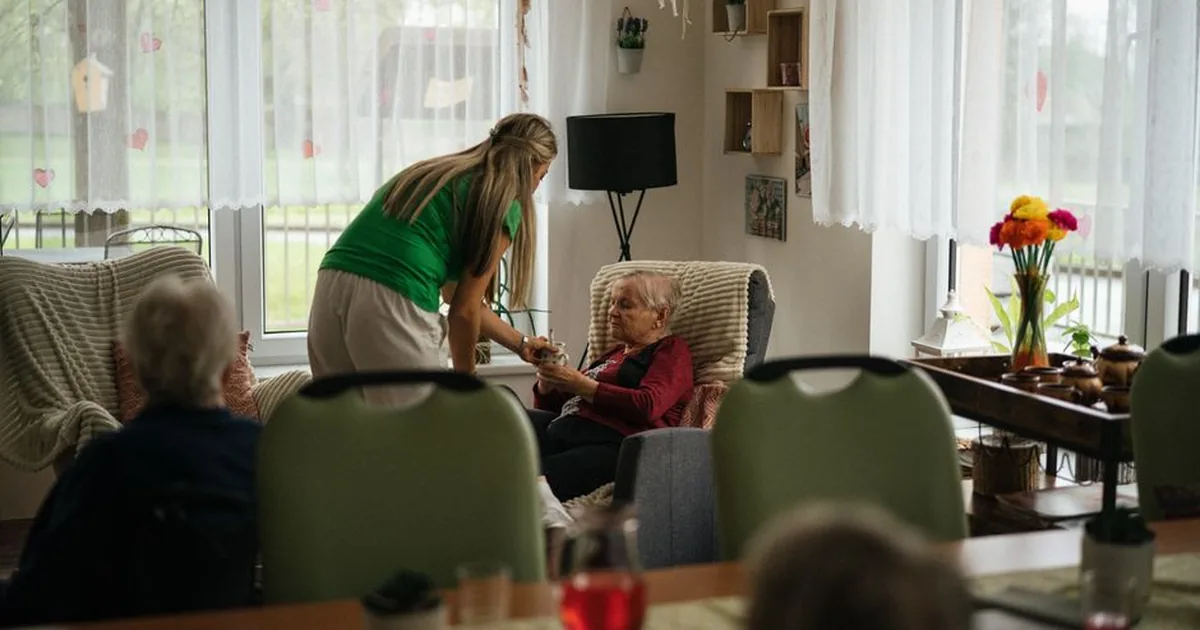
Cleaning a Room Where Someone Lives
A resident room is not an office or a hallway. Someone sleeps, eats, takes medication and keeps their belongings there, so cleaning has to fit around a person's day and their things. For administrators and operations leads, the useful question is what gets done every day, what waits for a move-out, and who decides the difference.
This guide covers both lists. For the facility-wide picture, see our guide to facility-wide cleaning standards for senior living. Here the focus is the room itself.
One caveat up front: the best public guidance on this comes from the CDC, and it is written for health-care facilities. CDC's core components page says long-term care and outpatient settings could apply them with added considerations, such as the resident population, but it gives no separate long-term care instructions. Treat it as a framework and set the exact schedule through your own facility policy and your state's rules.
What Occupied-Room Cleaning Covers
CDC describes routine cleaning as work done while the room is occupied. Its purpose is to remove organic material, reduce microbial contamination and keep the environment visibly clean, with emphasis on the resident's zone: the bed, bedside table, chair and the things within reach.
The daily scope
A daily resident room task list usually includes:
- Wiping the bedside table, over-bed table, chair arms and other surfaces within the resident's reach
- Cleaning and disinfecting the high-touch surfaces covered in the next section
- Cleaning the bathroom: sink, faucet handles, toilet, grab bars and the floor around them
- Emptying the trash and replacing liners
- Cleaning up spills as they happen, since CDC's guidelines call for keeping floors, walls and tabletops visibly clean and handling spills promptly
- Cleaning the floor, using a method that does not throw dust into the air
Working around the resident
Daily work goes better with a few habits. Knock and introduce yourself every time. Agree on timing with care staff so cleaning does not collide with meals, therapy or rest. Leave belongings, photos, medications and mobility aids where the resident put them, and move nothing that cannot be put back exactly. When the work is done, leave the room safe to walk through: dry floors, clear paths and the call button in reach.
High-Touch Surfaces First
CDC's environmental services guidance says high-touch surfaces in patient-care areas, such as doorknobs, bed rails and light switches, should be cleaned and/or disinfected more often than surfaces with minimal hand contact. The 2003 guidelines add surfaces in and around toilets to that list.
For a resident room, that usually means:
- Door handle and the inside edge of the door
- Light switches and the thermostat
- Bed rails and bed controls
- Call button and its cord
- Phone, remote and the handles on dressers and closets
- Faucet handles, toilet flush handle and bathroom grab bars
How often is often enough
There is no single number. CDC states that cleaning methods, thoroughness and frequency are determined by facility policy, and that infection-control staff typically use a risk assessment to identify high-touch surfaces and set a schedule with housekeeping. So the honest answer is that the schedule comes from your infection-control lead, and your cleaning provider works to it. We covered the same idea for workplaces in our piece on how high-touch surface cleaning is scheduled.
Low-touch surfaces
Window sills and hard flooring still need regular attention. CDC lists them for cleaning on a regular basis, when soiling or spills occur, and at discharge. Walls, blinds and window curtains in patient-care areas are cleaned when they are visibly dusty or soiled.
Products, Cloths and Contact Time
How the work gets done matters as much as what's on the list.
- Use the product as labeled. CDC recommends EPA-registered disinfectants used according to the manufacturer's instructions.
- Respect contact time. Protocols should allow the full contact time specified for the product, which in practice means the surface stays wet for as long as the label says. Wiping it dry early cuts that short.
- Keep cloths and mop heads clean. CDC advises replacing soiled cloths and mop heads with clean ones each time a bucket of detergent or disinfectant is emptied, and laundering and drying them before reuse. Many facilities use single-use cloths for resident rooms to keep this simple.
- Skip fogging and mists. CDC advises against disinfectant fogging in patient-care areas and against large-surface methods that produce mists or aerosols or disperse dust.
If you are reviewing a provider's products, our list of questions to ask about cleaning chemicals is a good starting point.
A sensible order inside the room
Work from cleaner areas toward dirtier ones and finish in the bathroom, ending with the toilet. Bedroom high-touch surfaces first, then the rest of the room, then the bathroom, then the floor on the way out. Use separate cloths for the bathroom and the bedroom so nothing carries over.
Turnover Cleaning After a Move-Out
When a resident moves out or transfers, the room gets a deeper pass. CDC calls this terminal cleaning: cleaning and disinfection performed after the patient is discharged or transferred. Its guidance for patient rooms is to clean surfaces that may not have been reachable while the room was occupied, such as the mattress, bed frame, tops of shelves and vents, along with the floors.
A turnover task list
With the room empty, work from top to bottom:
- Remove all trash, linens and any items left behind, following your facility's policy for belongings
- Dust vents, ceiling corners, tops of shelves and window sills
- Clean walls where there are marks, plus blinds and curtains
- Clean and disinfect the bed frame, mattress cover, bed rails and furniture, including the backs and undersides that stay hidden when the room is occupied
- Clean and disinfect every high-touch surface, then the closet interior and drawers
- Clean the bathroom fully: fixtures, walls around the toilet, shower, mirror and floor
- Clean the floors last. Hard floors get mopped, and carpet gets vacuumed or cleaned by the method your facility uses
Signaling that the room is ready
CDC suggests protocols identify when a room is ready for the next resident, with a tagging system as one example. A simple tag or sign-off on the door tells admissions and maintenance the room is done. CDC also notes that direct observation, fluorescent markers and ATP assays can supplement checks on how well cleaning was done. Even without testing tools, a short walkthrough checklist signed by a supervisor makes the standard clear to everyone.
The Bottom Line: Two Lists, One Policy
Daily cleaning keeps a lived-in room clean around the resident, with extra attention on the surfaces hands touch most. Turnover cleaning reaches everything the occupied room hid. Your facility policy sets how often each happens, and a written task list for each keeps crews consistent.
If you are comparing providers for a senior living property, bring both lists to the conversation and ask how each task is done and signed off. You can see where we work on our commercial cleaning service areas page, or request an estimate for your facility.
Frequently Asked Questions
How often should a resident room be cleaned?
CDC guidance leaves frequency to facility policy, with a daily routine protocol as its example. High-touch surfaces get attention more often than low-touch ones. Your infection-control lead sets the schedule.
What is the difference between routine and turnover cleaning?
Routine cleaning happens while a resident lives in the room and focuses on the resident's zone. Turnover cleaning happens after a move-out or transfer and reaches every surface, including ones blocked by furniture and belongings.
Do disinfectants need to stay wet on the surface?
Yes. CDC says protocols should allow the full contact time on the product label, so the surface should stay wet for that period.
Who decides which surfaces count as high-touch?
Infection-control staff typically use a risk assessment to pick them and set the schedule with housekeeping.
This article is for general informational purposes only. Cleaning scope, frequency, and pricing vary by facility size, type, and condition. Service availability depends on your location within Neat & Clean Co's service area. Contact us for a quote specific to your facility.
Related articles
How to Choose Senior Living Cleaning Services: Questions to Ask Before You Sign
A practical guide for senior living administrators on choosing a cleaning provider: the plan, training, products, references, coverage and the written scope to ask for.
High-Touch Surfaces in Assisted Living: A Cleaning Checklist
Which surfaces residents touch most, how to clean and disinfect them in the right order, and how an assisted living community can write the routine down and check it.
Assisted Living Cleaning Cost: Budgeting Guide for Operators
Most assisted living operators inherit a housekeeping budget instead of building one, then find the gap the first time a unit turn or an injury claim blows past the line item. There is no credible national per-unit price for senior living cleaning, so this guide walks through how to assemble the number yourself: the square footage behind each unit, what housekeeping labor actually costs once it is loaded, the budget categories most programs omit, and the compliance costs that are fixed whether you staff in-house or contract the work out.