Cleaning Company Industry Experience: Questions to Ask Before You Sign
A crew that cleans a lobby well may not know a loading dock or a clinic corridor. These questions help facility managers test whether a cleaning company really knows their kind of building.
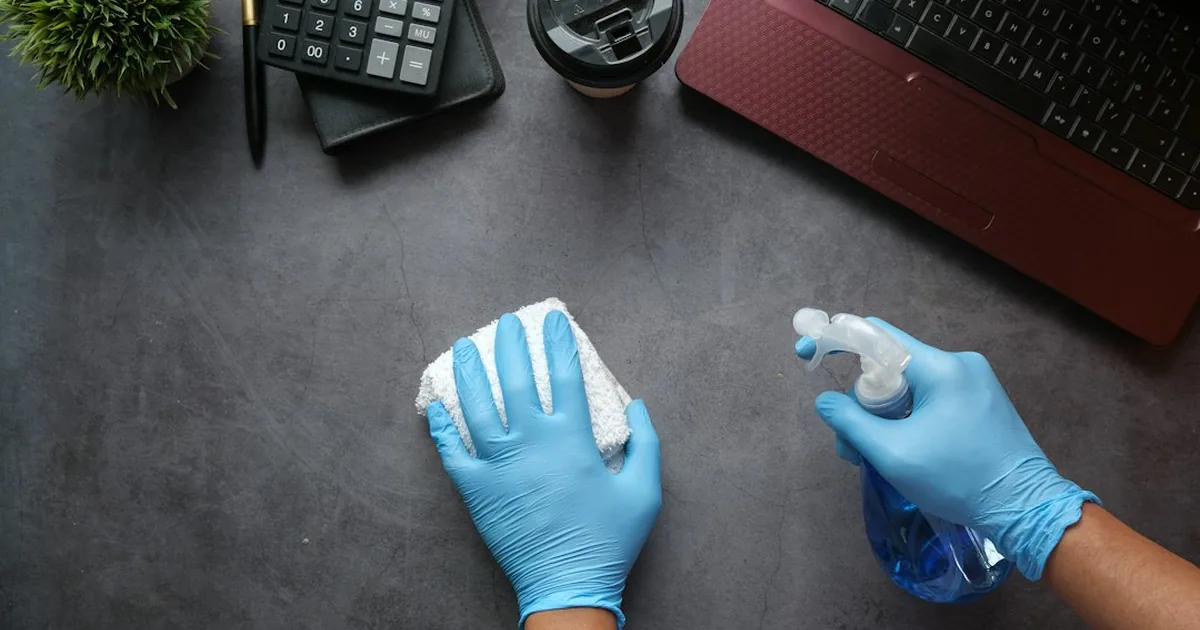
A crew that keeps a lobby tidy may not know what a warehouse dock, a clinic corridor or a post-renovation suite asks of it. Every building type has its own soils, traffic patterns, access rules and risks, and a cleaning company that has worked in buildings like yours will handle them without being told. One that has not will learn on your time.
This guide gives facility and property managers a set of questions to test cleaning company industry experience before signing anything. Each section explains what to ask, what a solid answer sounds like and where a vague answer should slow you down.
Why industry fit changes the work
Different buildings carry different risks
An office needs reliable restroom, break room and desk-zone routines with little disruption to staff. A warehouse needs floor care that works around equipment and pallets. A senior living community has residents in the building at all hours and strict expectations around how staff move through shared spaces. A site just finished by contractors has construction dust and debris that ordinary routines were never built for.
On paper the tasks look alike, since most contracts list floors, restrooms and trash. The difference shows up in sequence, tools, timing and what the crew knows to leave alone.
What experience should actually mean
Years in business is a weak signal. Specifics tell you more: the kinds of sites the company works in now, what a normal visit looks like at those sites, and how the crew adapts when conditions change. Treat any answer that sounds like a slogan as a prompt for a follow-up question.
Ask for work in buildings like yours
Start with the plain version of the question: "Which of your current sites are closest to mine, and what does a visit there involve?" A company with real experience can describe the routine in concrete terms, such as which areas are cleaned first, what happens at shift changes and how the crew handles restricted rooms.
Follow with a few more:
- What problems come up most often in this building type, and how do you plan for them?
- How do you adjust the routine when occupancy, season or use changes?
- Who will lead the crew at my site, and have they worked in similar buildings?
- Can I speak with a manager at a comparable site?
Then actually make that call. Our guide on how to check past clients covers what to ask a reference so the conversation tells you more than "they were fine."
A good answer names the kind of site and describes a routine. A weak answer lists general capabilities, repeats the contract language back to you or changes the subject to price.
Ask how staff are trained on chemicals and hazards
Industry knowledge includes knowing what is in the products on the cart. OSHA's Hazard Communication page says employers with hazardous chemicals in the workplace must have safety data sheets available for exposed workers, must have labels for those chemicals, and must train workers to handle them appropriately. Those are reasonable things to confirm with a cleaning contractor whose crew works around chemicals every shift.
Questions worth asking:
- Where are the safety data sheets for the products you will use in my building, and can I see them?
- How are new crew members trained before they work at my site?
- What happens when a product is swapped or a new one is introduced?
- Are there areas in my building where you would use different products or methods, and why?
We cover this topic in more depth in what to ask about cleaning chemicals. For this article, the point is simple: a company that knows your industry can tell you which surfaces and areas need extra care, and can show its paperwork without hunting for it.
Ask what they do when blood or body fluids are involved
Some buildings are more likely than others to see an incident with blood or other body fluids: clinics, schools, fitness spaces, shelters and senior living among them. It's a fair question for any cleaning contractor, and a company that works in those settings should already have an answer.
OSHA states that its bloodborne pathogens standard applies to employers whose workers have reasonably anticipated exposure to blood or other potentially infectious materials, and the standard includes provisions for exposure control plans, hepatitis B vaccination, training and recordkeeping. In a 2007 interpretation letter, OSHA told a cleaning company that the standard covers blood cleanup work, and that the resulting waste is regulated waste that must go in closable, leak-proof, labeled or color-coded containers. That letter addressed one specific scenario, so treat it as an example of how the agency reads the rule, not a full checklist.
For your purposes, the questions are practical:
- Do your crew members have a written plan and training for incidents involving blood or body fluids?
- If we have an incident, who do we call, and what will your crew do and not do?
- How do you package and dispose of waste from that kind of cleanup?
- Is this work part of the agreement, or would it be handled separately?
If the company doesn't do this work, that's a perfectly good answer. It tells you to line up a separate specialist for those incidents. An unclear answer is the one to worry about.
Ask for a walkthrough and a written scope
A company that knows your industry will want to see the building before it quotes. Walking the space is how it spots floor types, restroom counts, restricted rooms, loading areas and access limits that a phone description will miss. If a price arrives before anyone has set foot on site, treat it as a placeholder, not a quote.
Two habits help at this stage:
- Interview more than one company. Talking to at least three lets you compare how each describes scope, staffing and follow-up, not only the number at the bottom.
- Get the scope in writing. The agreement should name the tasks, the frequency and the areas covered, so both sides know what "done" means.
The written scope is also where industry knowledge becomes visible. A document that reflects your building, with named areas and routines that match how you use them, is a better sign than a generic template. For ways to measure the work once it starts, see our explainer on the service level agreement.
Don't choose on price alone. The lowest quote often leaves out something your building needs, and you find out later.
Ask about coverage and who does the work
Two last topics shape how a contract works in practice. First, ask for proof of the company's insurance coverage, and call the agent listed to confirm it is current. Ask about the coverage limits and whether they fit your building. Ask, too, whether the company carries its own workers' compensation, because that determines who is responsible if a crew member is hurt on your property. Your own insurer can tell you what your policy expects from a contractor.
Second, ask who will actually be in the building. Are crew members employees or subcontractors? Who leads them? Can you meet the person who will clean your space before the first visit? Consistency matters most in buildings where staff, residents or patients see the same faces every day, and the answers show how much the company controls its own work.
Reading the answers: what to look for
Across all of these questions, the pattern is the same. Strong answers are specific, tied to a building type and easy to verify. Weak answers are general, defensive or all about price.
- Specific examples of similar sites, with a reference you can call.
- Safety data sheets and training records that appear when you ask.
- A clear line between what the company does and what it hands to a specialist.
- A walkthrough before a quote, and a written scope that matches your building.
- Plain answers about coverage and who staffs your site.
If you hear the opposite across several questions, that tells you something. You can move on to the next company with a clear reason.
The Bottom Line
The best way to test cleaning company industry experience is to ask questions only a company that has done the work can answer well. Ask for similar sites, training on hazards, how incidents are handled, a walkthrough before pricing and a written scope. Then compare the answers side by side.
If you manage a commercial building in the Twin Cities North Metro and want to see how we approach it, browse our commercial cleaning service areas or request an estimate.
Frequently Asked Questions
How do I know if a cleaning company has experience with my type of building?
Ask for named examples of similar sites and what the routine looks like there, then call a reference. A company that has worked in buildings like yours can describe the traffic patterns, restricted areas and after-hours access without guessing.
Should a cleaning company walk through my building before quoting?
Yes. A walkthrough lets the company see floor types, restroom counts and access rules that a phone description misses, so the quote reflects the actual building.
Do cleaning crews need training for blood or body fluid cleanup?
OSHA has said its bloodborne pathogens standard applies to cleaning contractors who clean up blood. If your site could see such incidents, ask how the company trains staff and handles the waste, or whether it hands that work to a specialist.
How many cleaning companies should I interview?
At least three is a good practice. It lets you compare how each describes scope, staffing and follow-up, not only price.
This article is for general informational purposes only. Cleaning scope, frequency, and pricing vary by facility size, type, and condition. Service availability depends on your location within Neat & Clean Co's service area. Contact us for a quote specific to your facility.
Related articles
Signs Your Office Needs More Cleaning Visits Per Week
A cleaning schedule built for last year's office can fall behind. Here are the signs your office needs more cleaning visits per week, and how to turn them into a new plan.
Commercial Cleaning Pricing Models: Per Square Foot, Hourly or Flat Rate
Per square foot, hourly or flat rate: how each commercial cleaning pricing model builds a quote, which jobs it fits, and how to line bids up before you sign.
Commercial Cleaning Cost by Facility Type: Office, Medical and Industrial Ranges
Office, medical and industrial buildings do not cost the same to clean. Here are the published per-square-foot ranges and the labor, scope and frequency factors behind them.