Commercial Carpet Cleaning Methods Compared: Extraction, Encapsulation and Bonnet
Hot water extraction, encapsulation and bonnet cleaning each treat office carpet differently. Here is how they work, what they leave behind, and where each one fits.
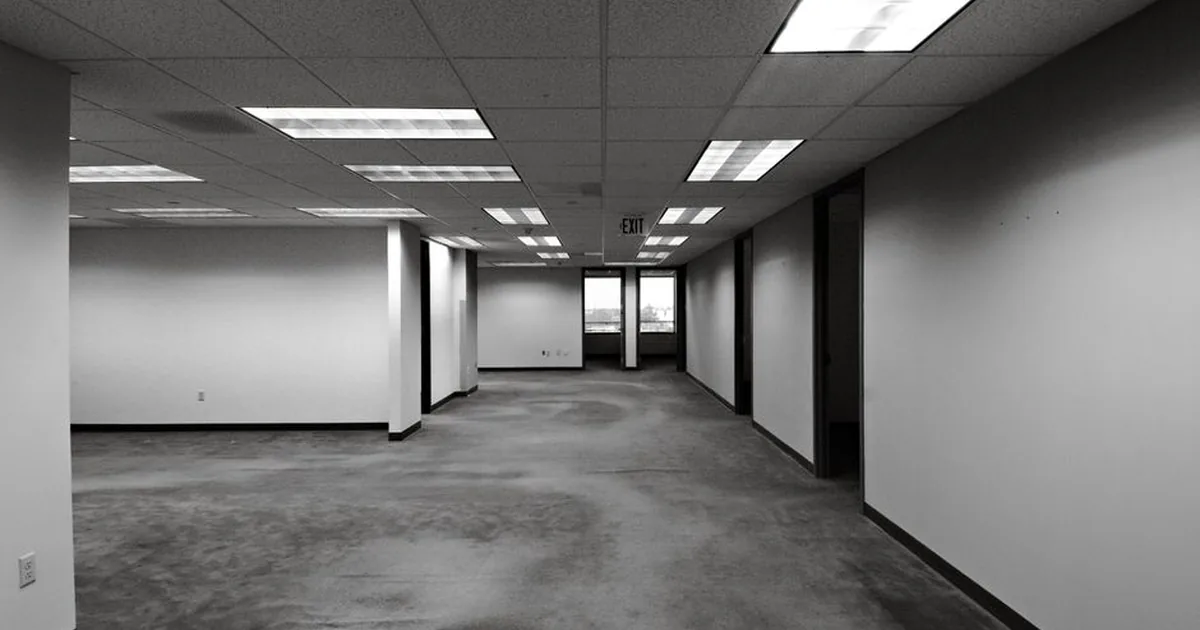
Three crews can clean the same office carpet and leave three different results. One leaves the floor damp for hours, one lets staff walk back in almost right away, and one mostly freshens the surface. The difference is the method, and the right choice depends on how much downtime you can give, how deep the soil sits, and what the carpet is made of. This guide covers how the main commercial carpet cleaning methods work, what each one leaves behind, and where each fits. How often to schedule them is covered separately in our guide to how often to schedule office carpet cleaning.
How the three commercial carpet cleaning methods work
Hot water extraction
Hot water mixed with a cleaning solution is injected into the carpet, agitated to loosen soil, and pulled back out by a powerful vacuum in a single pass. Because it flushes the pile and removes the dirty water, it reaches soil that settles deep in the fibers. Machines range from portable units to truck-mounted systems, and the larger the recovery power, the less water stays behind. Done well, it's the most thorough of the three. Done poorly, it soaks the carpet and leaves solution behind.
Encapsulation
Encapsulation is a low-moisture method. A polymer solution is sprayed or worked into the carpet with a brush or pad machine. As it dries, the polymer crystallizes around the soil and turns it into a dry residue that a regular vacuum then removes. There is no flood of water to pull back out, so the carpet needs little drying time. It depends on using the right product and vacuuming the residue thoroughly afterward.
Bonnet cleaning
A rotary floor machine spins an absorbent pad, the bonnet, over carpet that has been given a light prespray. The pad picks up soil from the top of the pile. It's one of the oldest low-moisture methods. It's quick, but the work stays near the surface. The pad has to be changed often during the job. A loaded pad no longer lifts soil and can start moving it around instead.
Hot water extraction vs encapsulation: moisture, drying and downtime
Moisture is the clearest difference between the methods. Extraction puts the most water into the carpet, so it needs the longest drying window. How long depends on airflow, humidity, the carpet and how well the equipment recovers the water, which is why crews often schedule extraction for off-hours so the space is dry before the next workday.
Leftover moisture matters beyond comfort. The EPA's guidance on moisture in buildings makes the point that controlling moisture is the key to controlling mold, and its guidance for schools and commercial buildings covers drying wet materials promptly. That guidance is written for leaks and spills, not routine cleaning, but the principle carries over. If an extraction job uses too much solution or recovers too little, carpet stays damp longer than it should, and resoiling and odor risks go up. Ask how the crew recovers water and how they handle airflow in your space.
Encapsulation and bonnet cleaning use far less water, so the carpet is typically usable again soon after the work. That makes them a good fit for offices that cannot close, for example when staff work in the building during the day or when a floor has to be back in use the same morning. Neither is a promise of a specific number of minutes, because dry time still shifts with the product, the carpet and the room.
Cleaning depth and what each method leaves behind
Depth costs moisture, and the methods line up neatly along that trade.
- Hot water extraction gives the deepest clean and removes both soil and the cleaning solution when done correctly.
- Encapsulation gives a moderate clean. It handles everyday soil well, but it does not reach grime that has worked far down into the pile. Used alone for too long, carpet can start to look dull and feel heavy as residue builds up.
- Bonnet cleaning works the surface. It improves appearance fast, but it cannot pull out soil that has settled deeper, and relying on it without periodic extraction can push soil further down and leave a light residue.
Pad care matters for bonnet work. Product choice matters for encapsulation. Either way, the result depends as much on the crew as on the method.
Which method fits which area
Most buildings don't need one method everywhere. A simple way to match them:
- Lobbies and reception areas: bonnet cleaning works well for a quick lift in appearance where first impressions count.
- Open offices with low to moderate traffic: encapsulation suits routine upkeep because it keeps the floor in use.
- Entrances, break rooms and heavy traffic lanes: these collect the most soil, so they are the places hot water extraction earns its downtime. In a Minnesota winter, entry carpet also takes on tracked-in grit and de-icer, which is covered in our piece on winter salt on entry carpet.
Also check the carpet manufacturer's guidance. Many manufacturers state which methods they accept for a given fiber and backing, and a method that falls outside it can put a warranty at risk. Confirm that before the first cleaning and keep a record of what was used.
Putting the methods together
The best results usually come from combining methods rather than choosing one. A common pattern is periodic hot water extraction as a reset, with encapsulation or bonnet cleaning in between to keep the carpet looking right while the building stays open. The mix changes with traffic and use, so a busy call center floor and a quiet executive suite won't follow the same plan. For help setting the rhythm, see our office carpet cleaning frequency guide.
What to ask before a crew touches your carpet
A few direct questions separate a good carpet program from a guess:
- Which method will be used in each zone, and why?
- How is cleaning solution recovered or vacuumed, and how is the drying handled?
- How often are bonnet pads changed during a job?
- Does the method fit the carpet maker's guidance for this fiber?
More questions worth asking any provider are in our list of questions to ask a commercial cleaning company.
The Bottom Line
Hot water extraction cleans deepest and needs a drying window, encapsulation keeps routine upkeep moving with little downtime, and bonnet cleaning gives a fast surface refresh. Match the method to the area, mix them over the year, and confirm the plan against the carpet maker's guidance. If you manage a building in the Twin Cities North Metro, you can see commercial cleaning services in the Twin Cities North Metro and request an estimate from Neat & Clean Co for a carpet plan that fits your floors and your schedule.
Frequently Asked Questions
Which commercial carpet cleaning method is best for an open office?
It depends on the job. Encapsulation or bonnet cleaning keeps the space usable because little water goes down, while hot water extraction gives the deepest result but needs a drying window. Most offices combine them.
Is bonnet cleaning safe for office carpet?
Used lightly on suitable carpet, it works well for surface soil. The pad has to be changed often or it moves soil around, and aggressive pad work can rough up some pile, so check the carpet maker's guidance first.
Can encapsulation replace hot water extraction entirely?
Usually not over the long run. It handles routine upkeep, but embedded soil and heavy traffic lanes eventually need extraction. Used alone for too long, carpet can look dull and feel heavy.
Does the carpet manufacturer's warranty affect the method?
Yes. Many manufacturers state which methods they accept, so confirm before the first cleaning and keep a record of what was used.
This article is for general informational purposes only. Cleaning scope, frequency, and pricing vary by facility size, type, and condition. Service availability depends on your location within Neat & Clean Co's service area. Contact us for a quote specific to your facility.
Related articles

Conference Room Cleaning Schedule: Follow Bookings, Not the Calendar
A fixed weekday slot cleans empty rooms and misses busy ones. Here is how to tie a conference room cleaning schedule to your booking system instead.
Medical Office Cleaning Documentation: Logs and Sign-Off Explained
A cleaning log turns a schedule into a record. See what CDC guidance says a log should capture, who signs off, and how audits keep a medical office on track.
Office Break Room Cleaning Checklist for Facility Managers
The break room is the only room in a commercial building where people prepare food, eat it, and leave it behind — and it is usually the room your cleaning scope describes in a single vague line. This checklist breaks the work down zone by zone, separates the tasks OSHA actually requires from the ones that are quality decisions, and shows facility managers how to assign every line between the janitorial contract and building staff.