Conference Room Cleaning Schedule: Follow Bookings, Not the Calendar
A fixed weekday slot cleans empty rooms and misses busy ones. Here is how to tie a conference room cleaning schedule to your booking system instead.
Why a fixed cleaning day misses how meeting rooms are really used
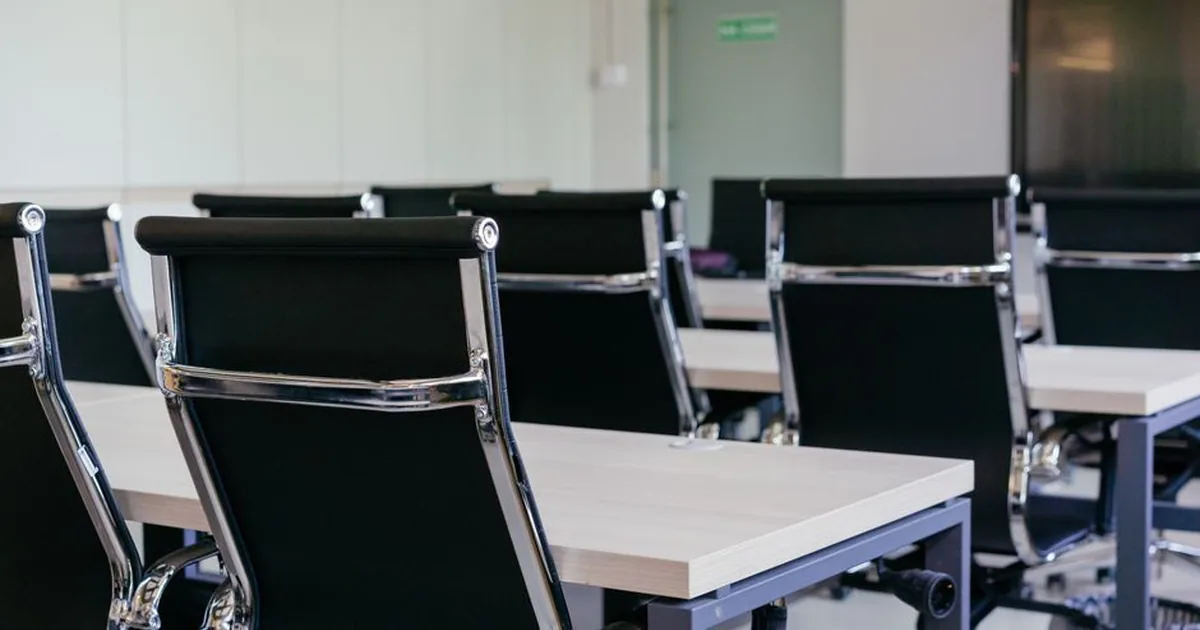
Most office cleaning plans run on the calendar. The boardroom gets cleaned on Tuesday and Thursday, every week, whether anyone sat in it or not. A conference room cleaning schedule works better when it follows the room's bookings. One room may host three client meetings in a day while another sits empty for a week. A fixed slot treats them the same.
This guide is for facility and office managers who already have a room booking system and want their cleaning to respond to it. It covers what public guidance says about frequency, which parts of a meeting room matter most, and how to pass booking information to your cleaning provider.
What public guidance says about how often to clean
There is no official number of times per week for a conference room. The CDC's guidance for community buildings, which includes offices, says to clean high-touch surfaces regularly and to clean other surfaces when they are visibly dirty. It also tells managers to consider the type of surface and how often it is touched, and notes that in a high-traffic space you may choose to clean more frequently.
That wording is the case for booking-based cleaning. "How often it is touched" is exactly what a booking calendar records. A room used all day is a high-traffic room. A room nobody entered is not, and it can be checked and left alone.
Which parts of a meeting room need attention
The CDC's list of high-touch examples includes door handles, touchpads, counters and desks. In a conference room, that translates to a short list worth naming in your cleaning scope:
- The table surface, where hands, laptops, cups and papers land
- Door handles and light switches
- Touch panels, conference phones, remotes and display controls
- Chair arms and backs that people grab when sitting down or pulling a chair in
- Whiteboard trays and markers, if the room has them
Floors, glass walls, window ledges and vents sit on a slower rhythm. They do not change much between one meeting and the next, so they belong on the regular calendar visit while the busy surfaces follow the bookings. For more on the surfaces that carry the most contact, see our piece on high-touch surface cleaning in offices.
What your booking system already tells a cleaning crew
Most room booking tools can show which rooms were reserved, for how long and by how many people. You don't need new software. A simple weekly list is enough, with a few facts per room:
- Whether the room was used at all
- How many meetings it held
- Whether food or drinks were brought in
- Whether outside guests attended
From that list you can sort rooms into tiers. The tiers below are a suggested starting point, not a published standard, so adjust them to your building and your own experience:
- Not used: look in, confirm it is clean, and move on. Skip the full routine.
- Used lightly: wipe the table and high-touch points, empty bins, straighten chairs.
- Heavy use, food or client visits: full table clean, high-touch points, floor spot work, and a check for spills on chairs and carpet.
- After known illness: clean first, then disinfect the touched surfaces, as described in the next section.
That puts the effort where the mess and the contact actually are. It also gives you a clear answer when someone asks why a room was not touched on a given day: nobody used it.
Cleaning or disinfecting a room that is used all day
Cleaning and disinfecting are different jobs. The EPA explains that cleaning removes dirt and impurities with soap or detergent and water, while a disinfectant uses chemicals to kill germs on a surface and has to stay wet for the contact time on its label. Disinfectants also work less well on a dirty surface, so the surface is cleaned first.
The CDC says that in most situations, regular cleaning is enough, and that disinfection is added where people have obviously been ill. Local health authorities may also recommend specific procedures during an outbreak. So a heavily booked room does not automatically need daily disinfection. It needs more frequent cleaning of its high-touch points, with disinfection reserved for the cases the guidance names. Cleaning is not a medical treatment and does not prevent illness on its own, so this article makes no health promises about any routine.
Food and client days
Catered lunches and client visits change the job. Crumbs, ring marks and spilled drinks do not wait for the next scheduled visit, and they show up first in a room guests are seeing. If your booking system has a catering note or a guest flag, pass it along so those rooms land in the heavier tier. The same thinking applies in other shared spaces; our break room cleaning schedule shows how food areas are usually handled.
Mid-day resets for back to back meetings
Some rooms are booked from morning until late afternoon, and waiting for the end of the day is too long. For those rooms, plan a short reset during the day: clear the table, wipe the touch points, empty any bin that has filled. In many buildings this is handled by on-site staff or a daytime role, and our day porter duties checklist lists the kind of tasks that fit. Whether a mid-day reset is available depends on your agreement with your cleaning provider, so raise it early.
Sharing booking data with your cleaning provider
A booking-based plan only works if the people cleaning have the information. A few habits make it practical:
- Send a short weekly or daily room list, in a form your provider can read, such as a shared sheet or an email.
- Agree in writing which tiers exist and what each one includes. A service level agreement is the natural place for this.
- Keep a baseline visit on the calendar for floors, glass, vents and the slower tasks.
- Keep vents and grilles clear, and keep to a regular housekeeping schedule. OSHA's indoor air quality guidance lists both among basic building practices.
Neat & Clean Co provides commercial cleaning to facilities across the Twin Cities and North Metro. If you want to see how a booking-driven plan could fit your building, look at our commercial cleaning service areas to find your location.
The Bottom Line
Let the calendar set the baseline and let the bookings set the extras. Used rooms get their high-touch points cleaned, heavy or food days get the fuller routine, and untouched rooms get a quick look instead of a full visit. Disinfection stays tied to illness or health authority advice, with cleaning done first. If you would like to talk through a plan for your meeting rooms, you can request an estimate.
Frequently Asked Questions
How often should a conference room be cleaned?
Public guidance gives no fixed number. The CDC says to clean high-touch surfaces regularly and that high-traffic spaces may need cleaning more often, so frequency should follow how much the room is used.
Do conference rooms need disinfecting every day?
Not routinely. The CDC says regular cleaning is enough in most situations, and disinfection is added where people have obviously been ill or local health authorities advise it.
What if a room is booked back to back all day?
Treat it as a high-traffic room. Plan a mid-day reset of the table, remotes and door handles, and do the fuller clean after the last meeting.
Can rooms that nobody booked be cleaned less often?
Yes. The CDC says surfaces other than high-touch ones need cleaning when they are visibly dirty, so an unused room can be checked and skipped for the day.
This article is for general informational purposes only. Cleaning scope, frequency, and pricing vary by facility size, type, and condition. Service availability depends on your location within Neat & Clean Co's service area. Contact us for a quote specific to your facility.
Related articles
Medical Office Cleaning Documentation: Logs and Sign-Off Explained
A cleaning log turns a schedule into a record. See what CDC guidance says a log should capture, who signs off, and how audits keep a medical office on track.
Office Break Room Cleaning Checklist for Facility Managers
The break room is the only room in a commercial building where people prepare food, eat it, and leave it behind — and it is usually the room your cleaning scope describes in a single vague line. This checklist breaks the work down zone by zone, separates the tasks OSHA actually requires from the ones that are quality decisions, and shows facility managers how to assign every line between the janitorial contract and building staff.

Car Dealership Cleaning Checklist: Showroom, Service Bay and Restrooms
A dealership mixes a retail floor, public restrooms and an industrial shop. Use this checklist to split the work by zone and agree on a schedule with your cleaning provider.