Day Porter vs. Nightly Janitorial: Which Does Your Facility Need?
A day porter keeps your building presentable while it's busy; a nightly janitorial crew resets it after close. Here's how the two commercial cleaning models compare on scope, timing, and cost — and how facility type and foot traffic decide which one your building actually needs.
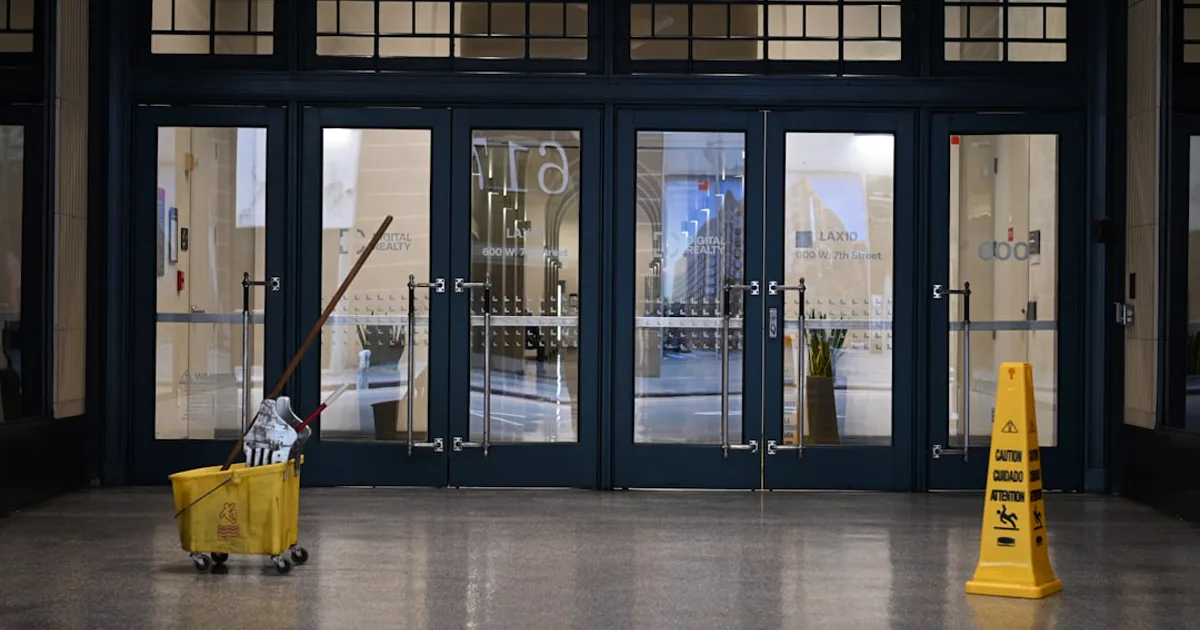
A lobby that looks immaculate at 8 a.m. can look neglected by noon — coffee rings on the front desk, an overflowing recycling bin, a wet-floor sign nobody moved after the spill. Usually the problem isn't the quality of the cleaning. It's the timing. And that's the real question behind day porter vs nightly janitorial: not which service cleans better, but when the cleaning happens and who's there to catch what comes up during the day.
If you manage an office, a medical or senior-living building, a retail space, or a multi-tenant property in Southwest Florida or the Minneapolis North Metro, this is a scheduling call you'll eventually have to make. Below, we break down what each service actually does, how they compare on scope and cost, how your facility type should steer the choice, and why plenty of buildings end up using both.
What a Day Porter Does During Business Hours
A day porter is an on-site cleaner who works while your building is open and occupied. Rather than run a fixed checklist in an empty space, a porter moves through the facility continuously, handling things as they come up and keeping the public areas presentable in real time.
Typical day porter responsibilities include:
- Lobby, reception, and entryway upkeep — the spaces visitors judge you by
- Spill and incident response, so a hazard gets handled in minutes, not hours
- Restroom checks and restocking throughout the day
- Conference room resets between meetings
- Breakroom and kitchen tidying
- Trash and recycling management as bins fill, rather than waiting for overnight
The value of a porter is visibility and responsiveness. Appearance holds up while people are actually in the building, and unpredictable problems get solved on the spot. Keep in mind that even lighter daytime work is still custodial work: it involves chemical handling, lifting, and repetitive tasks, and federal safety guidance from CDC/NIOSH on cleaning and custodial worker safety applies to porters just as it does to overnight crews. A good provider trains for it regardless of shift.
What Nightly Janitorial Covers and Why It Happens After Close
Nightly janitorial is the heavier, systematic cleaning most people picture when they think of a commercial cleaning crew. It runs after the building empties out, when work can be done thoroughly and without getting in anyone's way.
A nightly scope usually includes:
- Floor care — mopping, buffing, and periodic strip-and-wax on hard floors
- Vacuuming and periodic carpet shampooing
- Restroom deep-cleaning and sanitizing
- Washing glass, wiping down walls, and detailed dusting
- Full trash and recycling removal
Why after hours? Because it's simply faster and cleaner to do it then. According to the U.S. Bureau of Labor Statistics, office buildings are often cleaned while empty, so many cleaners work evening hours — an empty floor means quicker work and no disruption to your staff or visitors. If you're still sorting out where nightly janitorial ends and broader commercial cleaning begins, our guide on the difference between janitorial and commercial cleaning lays out the distinction.
Head-to-Head: Scope, Timing, Visibility, and Cost
Scope and timing
A day porter delivers continuous, lighter upkeep during operating hours. Nightly janitorial delivers a periodic, deeper reset after close. One keeps the building looking its best while it's in use; the other makes sure the whole facility starts each morning genuinely clean.
Visibility and responsiveness
The porter handles the unpredictable — a spill in the lobby, a restroom that runs out of supplies before lunch, a conference room that needs a fast turnaround before a client arrives. The nightly crew handles the predictable checklist that doesn't need a daytime audience.
Cost drivers
Cost tracks staffed hours and scope, not the label on the service. A full-day, on-site porter is priced on the hours they're present, so a full-time porter can run more than a nightly crew that cleans an empty building in a fixed window. The way facilities keep this in check is by matching porter hours to their actual peak traffic instead of defaulting to all-day coverage. Real numbers vary with facility size, condition, and the scope you set — no flat rate fits every building.
How Facility Type and Foot Traffic Decide for You
You don't really choose between these services in the abstract — your building chooses for you. The biggest factors are foot traffic and how public-facing the space is.
- High-traffic, public-facing spaces — medical offices, senior-living communities, schools, retail, event venues, and office towers with busy lobbies — lean toward a day porter or a hybrid setup. Appearance and restroom readiness matter every hour you're open.
- Standard, lower-traffic offices are frequently well served by nightly janitorial alone. If the space looks the same at 4 p.m. as it did at 9 a.m., an overnight clean may be all you need.
- 24-hour or shift-based facilities such as healthcare and some industrial sites often need coverage across multiple shifts. The BLS notes that when buildings require around-the-clock maintenance, cleaners work shifts that can include nights, weekends, and holidays.
Traffic drives frequency, too, not just timing. If you're unsure how much cleaning your space actually warrants, our breakdown of how often an office should be professionally cleaned is a useful companion to this decision.
The Hybrid Model: Day Porter Plus Nightly Crew
For a lot of larger or public-facing buildings, the honest answer to "day porter or nightly janitorial?" is both. A hybrid model pairs a daytime porter for live upkeep with a nightly crew for the deep reset — you get real-time responsiveness during business hours and thorough, systematic cleaning after close.
It works best where a building has to look presentable all day and still needs serious overnight attention: a busy corporate lobby, a senior-living common area, a multi-tenant property with shared restrooms. The practical move is to scope porter hours around your peak traffic — mid-morning through mid-afternoon, say — and keep the labor-intensive tasks on the overnight schedule. Splitting the work cleanly between the two shifts is easier when you start from a written task list, and our daily, weekly, and monthly office cleaning checklist is a good template for dividing duties across a schedule.
The Compliance Angle: Sanitation Isn't Only an Overnight Job
There's a regulatory reason day porters exist, and it's easy to overlook. Workplace sanitation is an ongoing obligation, not a once-a-night event. OSHA's sanitation standard (29 CFR 1910.141) requires that all places of employment be kept clean to the extent the nature of the work allows, and that wastes be removed "as often as necessary" to avoid a menace to health. Food-waste containers, for instance, have to be emptied at least once each working day.
Restrooms carry their own daytime expectation. OSHA requires restrooms to be maintained in a sanitary condition and kept readily available, stocked with soap and a way to dry hands. In a high-traffic building, meeting that standard consistently is hard to pull off with a single overnight clean — restrooms that were spotless at close can be out of supplies by 11 a.m. That mid-day gap is exactly what a day porter is built to fill.
How to Scope the Right Service for Your Building
Pulling it together, here's a quick way to land on the right setup:
- Map your traffic and exposure. How public is the space? How heavily are restrooms used? How much does mid-day appearance affect how clients or residents see you?
- Match the model. Low-traffic and private → nightly-only. High-traffic and public → porter-forward or hybrid. Around-the-clock operation → multi-shift coverage.
- Ask providers the right questions. What hours are covered? How are daytime and overnight tasks split? Who supervises the work, and how is it documented?
Neat & Clean Co provides commercial cleaning and janitorial service in your area across Southwest Florida and the Minneapolis North Metro, and we'll scope a schedule — nightly, day porter, or hybrid — around how your building is actually used. When you're ready, request an estimate and we'll walk your facility with you.
Frequently Asked Questions
What is the difference between a day porter and a night janitor?
A day porter works during business hours to keep public and high-traffic areas presentable in real time — restocking restrooms, handling spills, resetting conference rooms, and managing trash as it accumulates. A nightly janitor works after the building closes on heavier, systematic tasks like floor care, vacuuming, restroom sanitizing, and detailed surface cleaning. One maintains appearance live; the other resets the whole facility overnight.
Is a day porter more expensive than nightly janitorial service?
It depends on hours, not the label. A day porter is usually priced as staffed on-site hours during the day, so a full-time porter can cost more than a nightly crew that cleans an empty building in a fixed window. Many facilities control cost by matching porter hours to peak traffic and keeping the deep cleaning on the overnight schedule. Pricing varies by facility size, condition, and scope.
Can one cleaning company provide both a day porter and nightly janitorial?
Yes. Most commercial cleaning providers can staff both, and combining them under one contract is common because it keeps standards, communication, and accountability consistent. A hybrid arrangement pairs a daytime porter for live upkeep with a nightly crew for deep cleaning.
What types of facilities need a day porter?
High-traffic, public-facing buildings benefit most — office towers with busy lobbies, medical and senior-living facilities, schools, retail, and multi-tenant properties where appearance and restroom readiness matter throughout the day. Lower-traffic offices are often served well by nightly janitorial alone.
The Bottom Line
Day porter vs nightly janitorial isn't a quality contest — it's a question of timing and traffic. A nightly crew resets your building so every day starts clean. A day porter keeps it presentable and compliant while people are in it. Busy, public-facing facilities often need both, while a quieter office may do just fine with an overnight clean. Start from how your building is actually used, factor in your restroom and sanitation load, and revisit the setup as your traffic changes.
This article is for general informational purposes only. Cleaning scope, frequency, and pricing vary by facility size, type, and condition. Service availability depends on your location within Neat & Clean Co's service area. Contact us for a quote specific to your facility.
Related articles
Strip and Wax vs. Burnishing: How to Build a VCT Floor Care Schedule
Strip and wax and burnishing show up as separate line items on most janitorial bids, and facility managers often treat them as competing options. They are two ends of one program. Stripping removes and rebuilds the finish system in a single disruptive event; burnishing reconditions the finish you already paid for. Getting the ratio right is what controls both your floor care budget and your downtime, and in older buildings it also determines which methods are lawful in the first place.

Janitorial vs. Commercial Cleaning: What's the Difference?
Facility managers often hear "janitorial" and "commercial cleaning" used interchangeably, but they describe different things. Here's what each term actually covers, why they overlap, and a practical way to decide which service—or combination—your facility needs.