Day Porter Duties Checklist for Commercial Properties
Day porter service shows up on almost every commercial cleaning proposal, usually as a line item with no definition behind it. Two bids for the same building can differ by twenty hours a week and nobody notices until service starts. This checklist walks through a porter's shift the way it actually runs — opening round, restroom loop, touchpoint round, trash and reset work, and the unscheduled response that fills the rest of the day — then covers how to size the hours and turn the list into contract language.

Facility managers rarely get a bad surprise from the nightly crew. They get it at 2:15 in the afternoon — the lobby glass is smudged, the third-floor restroom is out of paper towels, someone spilled coffee by the elevator an hour ago, and a client walks in at three.
Closing that gap is what day porter service is for. The trouble is that "day porter" shows up on nearly every commercial cleaning proposal as a line item with almost nothing behind it. Two bids for the same building can differ by twenty hours a week and read identically on paper. So here's a day porter duties checklist organized the way a shift actually runs — opening round, restroom loop, touchpoint round, trash and reset work, and the unscheduled response that fills whatever time is left — plus how to size the coverage and write it into a scope you can enforce.
What a Day Porter Actually Does (and Doesn't)
The role fits in one sentence: a porter maintains a building during occupied hours, while a nightly crew cleans it once everyone has gone home.
None of the work is exotic. Federal labor data describes the core building-cleaner duties as gathering and emptying trash, sweeping and mopping floors, cleaning restrooms and stocking them with supplies, cleaning spills and other hazards, washing glass, disinfecting frequently touched surfaces, and notifying managers when the building needs repair. A porter does the same tasks. The difference is that they happen on a repeating loop with people in the building, rather than once through an empty one.
That same data notes that office buildings are often cleaned while they are empty — a neat description of the coverage gap. If your only service is a 7 p.m. crew, the building goes unattended for the eight or ten hours it's actually in use. Whether that gap justifies staffing is worth settling before you price either option, and we compare the two models in day porter vs. nightly janitorial.
What's usually out of scope
Deep floor work doesn't belong on a porter's list. Stripping and refinishing hard floors, burnishing, and carpet extraction are loud and slow, so they stay with the nightly or periodic crew. A porter also isn't a maintenance technician — they flag a failed ballast, a dripping flush valve, or a propped fire door; they don't repair them. And while many porters handle light meeting support, they are not a reception or security post.
This distinction matters at bid time. Hours priced as porter coverage but scoped as general handyman work collapse in the first week, and the tasks that get dropped are almost always the restrooms.
The Opening Round: First 60 Minutes
Occupants notice this round most, because they walk straight through it.
Exterior approach and entryways. Litter and cigarette debris at the doors, smudges on door glass at hand height, entry mats straightened and vacuumed. In Minnesota, add tracked-in salt and grit for roughly eight months of the year. Confirm walking surfaces are clean and dry, then stage wet-floor signage where it will be needed.
Lobby and first impressions. Interior partition glass, reception counter, elevator call panels and cab floor, directory and wayfinding signage. Entrance trash containers get emptied before the first wave of occupants, not after.
First restroom and supply check. A full restock before nine o'clock: towels, tissue, soap, liners, seat covers, sanitizer stations. Note what's running low on the way through, so the cart gets loaded once for the day instead of four trips back to the janitorial closet.
The Restroom Loop: Frequency and the Compliance Baseline
Restrooms are where porter service earns or loses the contract. Everything else is cosmetic by comparison. Each check includes:
- Restock paper towels, toilet tissue, soap, and seat covers
- Empty waste and sanitary containers; replace liners
- Spot-clean sinks, counters, mirrors, and dispenser fronts
- Check and wipe toilets and urinals; flush and inspect fixtures
- Dry the floor around sinks and urinals; pick up debris
- Verify every fixture, dispenser, and dryer is working
- Log the check with a time
How often is often enough
Frequency should track traffic, not the clock. A two-hour cycle is a reasonable baseline for a mid-sized office. High-traffic buildings, retail, clinic waiting areas, and schools usually need hourly checks, and a thirty- to forty-five-minute cycle at peak.
There's a floor under this, and it isn't a preference. Employers must maintain restrooms in a sanitary condition and provide running water, hand soap or a similar cleansing agent, and warm air blowers or individual hand towels, and the guidance is explicit that a schedule for regular servicing, cleaning, and stocking should be developed. The same sanitation standard expects waste receptacles to be emptied often enough to prevent overflowing and floors kept clean and, so far as possible, dry. Both are continuous-coverage tasks. One nightly visit can't satisfy either in a busy building.
A timestamped check sheet, per restroom per round, is what converts "we check regularly" into something you can answer a tenant complaint with. It proves the check happened and when. It doesn't promise a dispenser will never run empty between rounds — and a vendor who tells you otherwise is selling a sentence, not a service.
The Touchpoint Round: Common Areas During Occupied Hours
Public-health guidance identifies the high-touch surfaces worth regular attention as door handles, stair rails, elevator buttons, touchpads, counters, restroom fixtures, and desks, with other surfaces cleaned when visibly soiled. In a commercial building, add badge readers, vending and coffee equipment, shared printer panels, conference table edges, and light switches.
That's the round. Fifteen minutes, and it's the highest-value fifteen minutes in the shift — especially from November through March. We make the seasonal case in more detail in our guide to high-touch surface cleaning during flu season.
Cleaning versus disinfecting
Most of a porter's work is cleaning, and that's correct rather than a shortcut. Cleaning alone removes most types of harmful germs in community settings. Disinfection is reserved for areas where someone has obviously been ill, or when local health authorities recommend enhanced measures during an outbreak.
When a porter does disinfect, two rules decide whether it worked. Clean the surface first, because soil gets in the chemical's way. Then leave it alone: the product label specifies a contact time, and the surface has to stay visibly wet for that entire period or the result can't be relied on. Spray-and-immediately-wipe is theater with a cost attached.
One note on reading proposals. Pathogen-specific efficacy numbers belong on a registered product label and nowhere else — regulators prohibit efficacy claims against specific pathogens unless the supporting data has been reviewed and the claim approved on the label. A germ-kill percentage printed in a cleaning scope is a marketing number.
Occupied-hours work carries an etiquette layer that nightly work doesn't: quieter equipment, low-odor chemistry, no blocking a corridor during peak movement, and a cart staged out of sightlines.
Trash, Breakroom, and Reset Work
Common-area waste. Breakroom, kitchen, and conference bins get pulled at midday instead of sitting with food waste until the evening crew arrives. Recycling and organics streams stay separated, and liner sizing gets checked so bags stop slipping down inside the can.
Breakroom upkeep. Counters, sink, microwave interiors, refrigerator door handles, the coffee station, tabletops and chair backs. Refill paper and soap while you're there.
Conference-room turnover. Between meetings: tables wiped, chairs squared, whiteboards cleared, abandoned cups and catering trays pulled, AV surfaces dusted. This one lands with tenants more than anything else on the list, because a room that's ready at the top of the hour is visible proof someone is paying attention.
Spills, Weather, and Incidents
Spill and slip response. Containment, signage, cleanup, documentation — in that order, within minutes. Keeping walking surfaces clean and dry is an explicit sanitation expectation, and the porter is the only person on site positioned to act before someone slips rather than after.
Minnesota weather duty. From the first snow to the last thaw, a porter spends real hours on the first twenty feet of the building: slush at the entry, salt tracking into carpet, mat changes, signage cycles, squeegee passes during a storm. Budget honestly. Winter porter time is not the same number as July porter time.
Biohazard escalation. Put the path in writing: what the porter handles with standard PPE, what triggers a call to the account manager, and what requires a specialized response team.
Chemicals on the cart. This one gets overlooked, mostly because the cart is mobile. Under the hazard communication standard, a safety data sheet must be present in the workplace for each hazardous chemical and readily accessible during every work shift, and workplace containers — including secondary spray bottles filled from a concentrate — have to be labeled. An unlabeled bottle riding a cart through an occupied building is a finding waiting to happen, and a fair thing to ask a prospective vendor about. Our guide on cleaning chemicals in your building covers the rest.
Staffing and Hours: How Much Coverage a Building Needs
Square footage is the weakest predictor on the list. What actually drives porter hours is occupancy density, restroom fixture count, number of entrances, how much public traffic the building takes, whether there's food service on site, and meeting volume.
Typical bands run two to four hours for a shared or part-day porter, four to six for a mid-day presence in a standard office, and a full eight-hour dedicated shift for clinics, busy multi-tenant lobbies, schools, and high-traffic retail. A 40,000-square-foot office with two restroom cores and light foot traffic is often fine on four hours. A clinic half that size usually isn't.
Labor is almost the entire cost line. The median hourly wage for janitors and building cleaners was $17.71 in May 2025 — about $36,840 a year — with private building services at $17.21. Supplies barely move the number, so porter pricing tracks wage rates and hours. A bid well under market usually got there by cutting hours, not by finding efficiency.
The other lever is dedicated versus shared coverage. A shared porter running a route costs less per month, but response time becomes a schedule rather than a promise — if the spill happens at 1:40 and the porter arrives at 2:30, that's the model working as designed. If you're comparing providers for janitorial services in the Minneapolis North Metro, make sure both bids say which one they're quoting.
Turning the Checklist Into an Enforceable Scope
Write frequency, not adjectives. Replace "maintain restrooms throughout the day" with "restroom check every two hours, minimum four checks per shift, logged with time and initials." Specify the log format, who receives it, and how quickly a complaint gets a response. Adjectives are unenforceable; frequencies aren't.
Measure monthly. Walk the building against the checklist. A short set of metrics — checks completed versus scheduled, supply stock-outs reported by occupants, average complaint response time — does more work than a three-page task list nobody audits. Building that into a measurable service level agreement is what gives the review teeth.
Name the boundaries. Start and end times, holiday and closure handling, who substitutes when the regular porter is out, and an escalation contact with a phone number. Most porter disputes are boundary disputes, and almost all of them are preventable at signing.
Frequently Asked Questions
What is a day porter?
A day porter is a cleaning technician who works your building during occupied hours instead of after close. Rather than completing one full clean of an empty space, a porter runs repeating rounds — restrooms, entryways, lobby glass, trash, breakroom, high-touch surfaces — and responds to spills, deliveries, and meeting turnovers as they happen. Because most office buildings are cleaned on evening shifts while they are empty, the porter covers the eight to ten hours a nightly crew never sees.
What are a day porter's main duties?
The recurring set is restroom checks and restocking, entryway and lobby upkeep, glass and door touchpoints, trash and recycling collection from common areas, breakroom and conference-room resets, elevator and stair-rail wipe-downs, and immediate spill response. Many porters also handle light support work such as stocking paper products, flagging burned-out lights, reporting maintenance issues, and prepping rooms for meetings.
How often should a day porter check restrooms?
Frequency should track traffic, not the clock. A two-hour cycle is a common baseline for a mid-sized office; high-traffic buildings, retail, medical waiting areas, and schools often need hourly checks, and a thirty- to forty-five-minute cycle at peak. Employers are required to maintain restrooms in a sanitary condition, and the governing guidance recommends developing a schedule for regular servicing, cleaning, and stocking — easiest to defend when the porter logs each check.
How many hours a day does a day porter work?
Coverage typically runs from two to four hours for a shared or part-day porter up to a full eight-hour dedicated shift. Square footage matters less than occupancy density, restroom count, number of entrances, and public traffic. A 40,000-square-foot office with two restroom cores and light foot traffic may be fine with a four-hour mid-day porter, while a clinic or busy multi-tenant lobby usually needs someone on site all day.
Does a day porter replace nightly janitorial service?
Usually not. The porter keeps the building presentable and stocked while people are in it; the nightly crew handles the full detail clean, floor work, and tasks that are disruptive during business hours. Buildings with very low after-hours needs sometimes consolidate into porter-only coverage, but most facilities run both and size the nightly scope down once a porter is in place.
Should disinfecting be part of a day porter's routine?
Cleaning alone removes most types of harmful germs in community settings, so routine rounds are mostly cleaning. Public-health guidance reserves disinfection for areas where someone has obviously been ill, or when local health authorities recommend enhanced measures during an outbreak. When a porter does disinfect, the surface must be cleaned first and then stay visibly wet for the full contact time printed on the product label.
Build the Checklist Before You Price the Service
The checklist is the product. Hours and price are downstream of it, and two proposals only become comparable once both are written against the same task-and-frequency list. The fastest way to draft one: walk your building at ten in the morning and again at two in the afternoon, and write down everything that's wrong. That list is your porter scope.
Neat & Clean Co provides commercial janitorial and day porter coverage across the Minneapolis North Metro, and we price against your list rather than a template — request an estimate and we'll walk the building with you.
This article is for general informational purposes only. Cleaning scope, frequency, and pricing vary by facility size, type, and condition. Service availability depends on your location within Neat & Clean Co's service area. Contact us for a quote specific to your facility.
Related articles

Commercial Floor Care Programs: Daily, Interim, and Restorative Work Explained
Most buildings do not have a floor care problem — they have a floor care schedule problem. Floors look acceptable for eight months and then suddenly look like they need replacing. A commercial floor care program is simply three tiers of work — daily, interim, and restorative — assigned to each floor surface at a defined frequency. This guide explains what each tier covers, how traffic and floor type set the intervals, where slip resistance and documentation fit, what the program costs, and how to scope it into a janitorial contract.
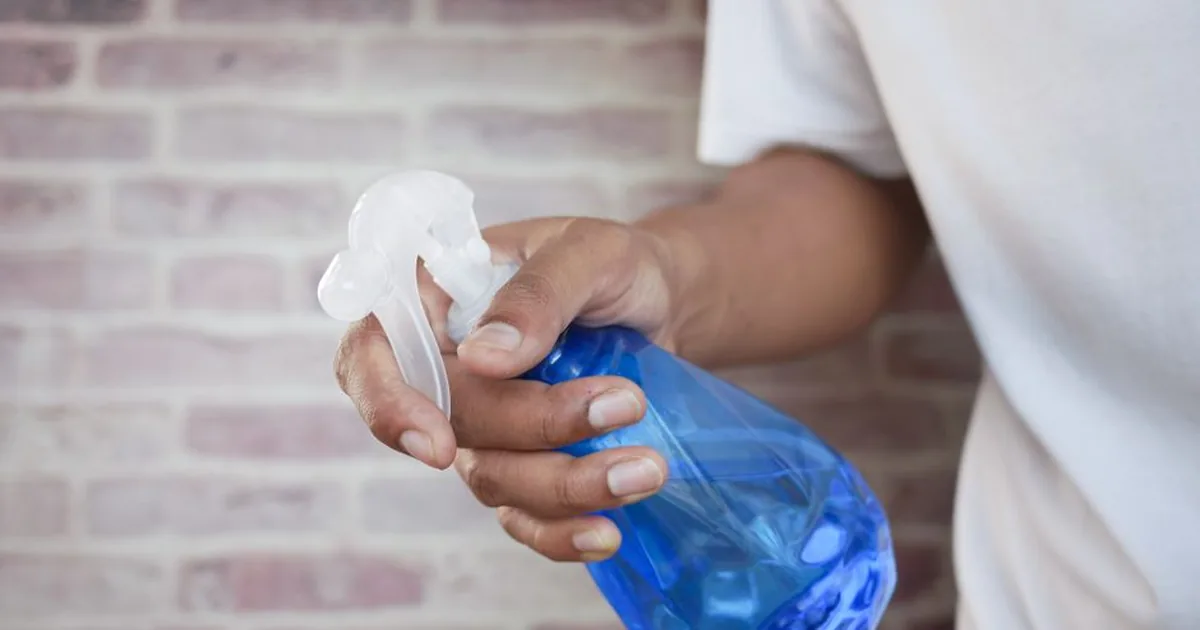
Cleaning Chemicals in Your Building: What to Ask Your Janitorial Provider
Before a janitorial crew works in your building, ask about the chemicals. Here are the questions on safety data sheets, disinfectants, mixing, ventilation and green claims.
Janitorial Employee Background Checks: What to Ask a Cleaning Company
Cleaning crews often work in your building with keys and codes and few staff around. Here is what to ask a cleaning company about employee screening, what the law asks of them, and how to read the answers.