Deep Cleaning vs Regular Office Cleaning: Scope and Cost
Two quotes for the same office can differ by a factor of three, and the reason is usually that one is priced as recurring service and the other as a deep clean. They are two different products, not two tiers of the same one. Here is what each scope actually covers, why recurring work is quoted as a rate while deep cleaning is bid as a project, how often a typical office needs the intensive version, and how to schedule both so neither does the other's job.
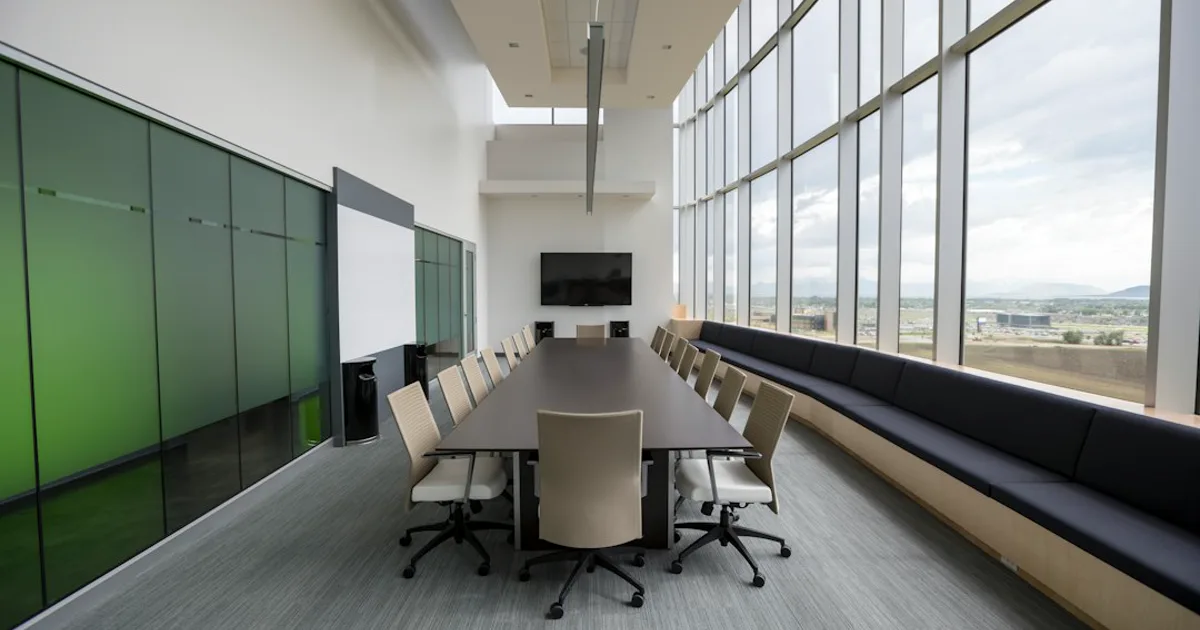
Ask three providers to quote the same 12,000-square-foot office suite and the numbers can differ by a factor of three. That spread usually isn't about one company being expensive. You've been handed two different products: some of those numbers price recurring service, and some price a deep clean.
Understanding deep cleaning vs regular office cleaning is what makes the quotes comparable. The two scopes overlap on paper, but they're built for different jobs — regular service holds a building at a condition, while a deep clean changes the condition it's held at. Here's what each one covers, why one is quoted as a rate and the other as a project bid, and how often an office actually needs the intensive version.
What Regular Office Cleaning Actually Covers
The recurring task list
Recurring office cleaning is a route. A crew arrives on a fixed schedule — nightly, three times a week, weekly — and works a fixed list. Those duties are standard enough that federal labor data describes them the way most contracts do: gathering and emptying trash, sweeping, mopping, or vacuuming floors, cleaning restrooms, and washing windows, walls, and glass.
In an office that means trash and recycling, floor care at the maintenance level, restroom service and restocking, wipe-downs of desks and shared surfaces, entry glass, breakroom counters. For the full inventory, we've broken down what a standard commercial cleaning scope includes task by task.
Why this scope is deliberately shallow
The narrow reach of a recurring scope is a design choice, not a shortcut. The CDC notes that in most situations, cleaning regularly is enough to prevent the spread of germs, with high-touch surfaces cleaned regularly and other surfaces cleaned when they're visibly dirty. Door handles, counters, elevator buttons, desks — those get the attention. A cabinet interior doesn't need it on Tuesday.
So recurring service is a maintenance product. It keeps a clean building clean; it isn't built to restore a condition that has already slipped. There's a tell in your own paperwork. Scan the contract for tasks listed "as requested," "annually," or "quoted separately" — that's deep-clean scope wearing a recurring-contract label.
What a Deep Clean Adds to the Scope
Low-touch surfaces and vertical space
The split between routine and intensive work isn't an invention of the sales process; it's formalized in professional cleaning frameworks. The CDC's environmental cleaning guidance names scheduled cleaning as its own category, covering low-touch items and surfaces "not typically at risk for soiling under normal circumstances" — ceiling vents, wall surfaces, cupboard interiors, light fixtures, the tops of partitions. Clinical settings run that weekly or monthly. In an office, quarterly is the common analogue.
That same guidance explains why the work can't be sprinkled into a nightly route. Cleaning proceeds from high to low and from cleaner to dirtier, specifically to keep dirt from "dripping or falling and contaminating already cleaned areas." High dusting done piecemeal on Wednesday just re-soils the floor someone mopped Tuesday. The sequence only works as a continuous block.
Machine work and restorative tasks
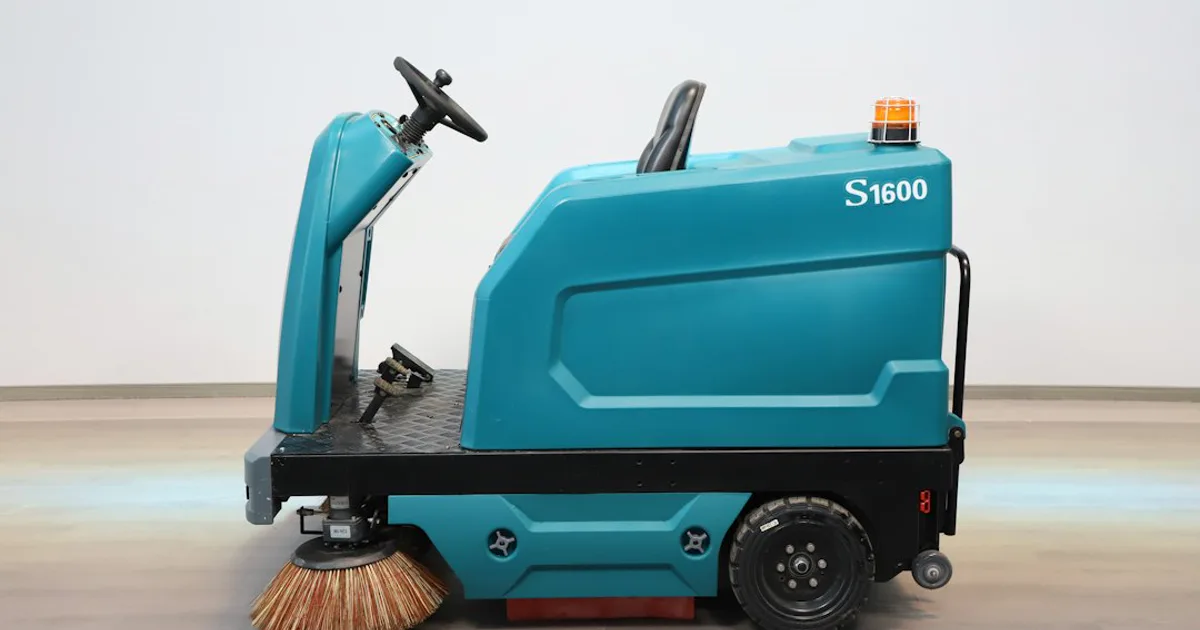
The other half of a deep clean is equipment. Carpet extraction rather than vacuuming. Hard-floor scrubbing and, depending on the finish, stripping and recoating — which runs on its own interval, and is better thought of as a VCT floor care schedule than a single event. Then grout work, interior glass, appliance interiors, upholstery, vent detail.
Where disinfection fits
Disinfection is an escalation inside a deep clean, not a default setting. CDC guidance directs facilities to disinfect where people have obviously been ill, and notes that a high-traffic space may warrant disinfection in addition to cleaning. That distinction matters on a quote, because cleaning, sanitizing, and disinfecting are three different things with three different costs attached.
Deep Cleaning vs Regular Office Cleaning Cost: Two Different Pricing Logics
Recurring service is priced as a rate
A recurring contract is a rate against a fixed task list and visit frequency. Most providers derive it per square foot and present it monthly, which is why meaningful benchmarks exist for what offices pay per month for recurring service and for work priced per square foot. The rate is predictable because the route is, and competitive because the provider amortizes travel, supervision, and equipment across many visits.
A deep clean is priced as a project
A deep clean has no route to amortize. It's bid on estimated labor hours plus equipment and materials, and the estimate swings on square footage, facility condition, floor type and finish age, ceiling height, furniture density, the access window you can offer, and whether the building stays open during the work.
Underneath all of that sits a labor floor. The Bureau of Labor Statistics puts the May 2025 median wage for janitors and building cleaners at $17.71 per hour, or $36,840 per year, with the services-to-buildings-and-dwellings industry at $17.21 — before payroll burden, insurance, supervision, equipment depreciation, and margin. Because a deep clean is hour-dense rather than route-efficient, its price tracks that floor far more directly than a recurring rate does.
Some of those hours can't be compressed. The EPA instructs users of registered products to follow label directions and to pay close attention to the contact time, which is how long the surface must remain wet. And since soil interferes with a disinfectant's effectiveness, the surface has to be cleaned first — making disinfection a second pass over ground the crew already covered.
Reading the two numbers side by side
For budgeting, a useful planning range: a deep clean of a typical office often lands between one and three months of that office's recurring cost. Condition drives most of the spread. A facility on consistent nightly service for two years bids near the bottom; a neglected one can exceed the top.
One warning sign. If a deep-clean bid comes in materially below your recurring monthly rate, the scope was almost certainly trimmed to a thorough regular clean. Ask which tasks are included and what equipment is coming through the door.
How Often an Office Needs a Deep Clean
A baseline cadence
For a well-maintained office on consistent service, quarterly is a reasonable cadence for the full low-touch scope, with hard-floor programs on their own interval driven by traffic and finish wear. The CDC's structure is a useful anchor even though an office runs lighter than clinical space: daily routine cleaning of high-touch surfaces and floors, weekly scheduled cleaning of low-touch areas. Public-facing lobbies, food preparation areas, shift-work facilities, and buildings with a recent occupancy change all justify a heavier cadence.
Triggers that move the date up
Cadence is a default, not a rule. Pull the date forward for a soil line in carpet traffic lanes, dust at the diffusers after a filter change, odor that returns a day after service, post-renovation dust, or a lease inspection on the calendar.
Why the premium is real
The intensive tasks also concentrate the hazards NIOSH flags for custodial work — chemical exposure, heavy lifting, prolonged standing, and regular bending. Protective gear, proper chemical handling, and operators trained to run a floor machine without damaging a finish are part of what the higher number buys.
Building a Schedule That Uses Both
The working model is a combination, not a choice. Recurring service holds the condition; periodic deep cleans reset it. The CDC frames scheduled cleaning as running concurrent with routine cleaning rather than instead of it, and the budget should reflect that — two line items, not one traded against the other.
Where you can, write the deep-clean cadence into the recurring agreement as a scheduled add-on instead of buying it reactively. A crew that already knows your floor plan, finishes, and access rules bids lower than one mobilizing cold. And read the scope of work before you sign — that document is where the boundary between the two scopes actually gets drawn. Then schedule the intensive work around low-occupancy windows: holiday closures, fiscal-year breaks, the gap between tenants.
Frequently Asked Questions
Is deep cleaning the same as a one-time cleaning?
Not necessarily. "One-time" is a scheduling term — no recurring contract sits behind the visit. "Deep clean" is a scope term for the intensive, machine-assisted work that falls outside a nightly route. You can buy one as a standalone project or as a scheduled quarterly add-on inside a recurring contract, and the add-on usually prices better, because the crew already knows the building.
How much more does a deep clean cost than regular office cleaning?
There's no fixed multiple, because the two are measured differently — recurring service is a monthly rate against a task list, while a deep clean is a project bid against hours and equipment. As a planning figure, a deep clean of a typical office commonly lands between one and three months of that office's recurring cost. Condition drives the spread: a building on consistent service for two years bids far lower than a neglected one.
Does my office still need regular cleaning if we get deep cleans?
Yes. Public-health guidance treats periodic cleaning of low-touch surfaces as work that runs concurrent with routine cleaning, not as a replacement for it. Deep cleans reset accumulated soil; routine service keeps high-touch surfaces from becoming a daily problem between resets. Dropping the recurring scope to afford deep cleans just means each deep clean has more to undo.
How often should an office be deep cleaned?
For a standard office on consistent service, quarterly is a common planning cadence for the full low-touch scope, with hard-floor work on its own schedule driven by traffic and finish condition. Facilities with heavy public foot traffic, food preparation areas, shift work, or a recent occupancy change need it more often — and triggers like a visible soil line on carpet or heavy dust at the vents can move the date up.
Your Office Cleaning Game Plan
Stop thinking of these as two tiers of one service. They're two products. Price the recurring scope against a task list and a visit frequency; price the deep clean against hours, equipment, and the building's condition. Then schedule them so each does the job the other structurally cannot.
A concrete first step: pull your contract and mark every task listed "as requested" or "quoted separately." That annotated list is your deep-clean scope for the year, and the right document to quote from.
Neat & Clean Co handles both sides of that schedule — recurring janitorial routes and periodic deep cleans — with commercial cleaning across the Minneapolis North Metro. To see where the line falls in your building, request an estimate and we'll walk the facility with you.
This article is for general informational purposes only. Cleaning scope, frequency, and pricing vary by facility size, type, and condition. Service availability depends on your location within Neat & Clean Co's service area. Contact us for a quote specific to your facility.
Related articles

Commercial Cleaning Contract Length: Month-to-Month vs Annual
Most facility managers treat cleaning contract length as a question of how long they're locked in. It's really a question of price and leverage. Here's what a month-to-month term actually buys you, what an annual agreement actually buys you, and why the renewal, notice, escalation, and termination clauses deserve more of your review time than the number of months on the signature page.
One-Time Commercial Cleaning Cost: Deep Clean Pricing Guide
A one-time deep clean rarely matches the per-square-foot numbers you find online, because project work is priced on condition rather than area. This guide breaks down what a one-time commercial cleaning scope actually covers, the three structures providers use to price it, the five factors that move your quote the most, which add-ons sit outside the base bid, and how to put competing proposals on equal footing before you sign anything.

How to Write a Commercial Cleaning RFP: Template and Tips
Four cleaning bids on the same building can land anywhere from $1,400 to $4,900 a month — usually because each bidder priced a different job. A written RFP is what makes those numbers comparable. Here is the document section by section: facility profile, a task-and-frequency scope of work, insurance and OSHA submission requirements, product specifications you can actually verify, and an evaluation structure that scores more than price.