What Is Included in Standard Commercial Cleaning Services?
Two cleaning bids for the same building can differ by 40 percent, and the reason is rarely the hourly rate — it's what each proposal quietly left out. Commercial cleaning names a category, not a defined deliverable. Here's the five-task-group core scope behind nearly every contract, how daily, weekly, and quarterly tiers stack on top of it, where cleaning ends and disinfecting begins, and which services your provider will price as separate line items.
Why Two Bids for the Same Building Don't Match
Put two cleaning proposals for the same 20,000-square-foot office side by side and you can easily find a 40 percent spread. The hourly rate is almost never the reason. One covers restrooms five nights a week and the other three; one includes quarterly high dusting and the other mentions it nowhere; one builds paper products into the monthly figure and the other quietly leaves them on your purchasing department.
The gap exists because there's no standardized answer to what is included in commercial cleaning services. The phrase names a category of work, not a defined deliverable. A janitorial route through a warehouse and a nightly service for a dental office are both "commercial cleaning," and they share maybe half their task list.
What stays consistent is the structure underneath: five task groups, layered with frequency tiers, with a predictable set of services sitting outside the base rate. Once you can see that structure, comparing bids stops being guesswork.
The Core Scope: Five Task Groups in Almost Every Contract
Strip away the formatting differences between vendors and the base scope comes down to five groups. The federal occupational description for the trade lists essentially this same set — gather and empty trash, sweep, mop, or vacuum floors, clean restrooms and stock them with supplies, wash windows, walls, and glass, and clean and disinfect frequently touched surfaces. If a proposal is missing one of these groups entirely, that's a question to ask. Don't assume it was an oversight.
Trash and waste handling
Every receptacle emptied, liners replaced, waste carried to the dumpster or compactor. If your building separates recycling or organics, name those streams in the scope — a mixed-stream mistake lands on your hauling invoice, not the vendor's.
Routine floor care
Vacuuming carpet in traffic lanes and open areas, sweeping and damp-mopping hard surfaces, spot-treating spills. Here's the distinction that matters: routine floor care is not floor refinishing. Mopping a VCT hallway nightly and stripping and recoating it are different line items with different equipment, and the second usually sits in the add-on column.
Restrooms
Fixtures, sinks, partitions, mirrors, and floors cleaned, high-contact points disinfected, dispensers restocked. Restrooms generate more tenant complaints than any other part of a building, so frequency here deserves extra thought. We cover the specifics in our breakdown of commercial restroom cleaning standards and frequencies.
Surfaces, dusting, and glass
Dusting horizontal surfaces within reach, cleaning interior glass and entry doors, wiping break-room and reception counters. The federal classification for this trade treats interior building cleaning, janitorial service, office cleaning, floor waxing, window cleaning, and acoustical tile cleaning as distinct service categories — separate classifications, because they're separate kinds of work. That's why a well-written scope itemizes them instead of writing "cleaning" and leaving it there.
Frequently touched points
Door handles and push plates, light switches, elevator buttons, stair rails, touchpads, shared equipment. Public-health guidance names counters, door handles, stair rails, elevator buttons, touchpads, restroom fixtures, and desks as the high-touch examples to clean regularly, with other surfaces cleaned when visibly dirty. In most proposals this group is buried inside the dusting line. Pull it out and list it.
How Frequency Tiers Stack
The scope tells you what. Frequency tells you how often. Price is the product of the two, and most mid-contract disputes trace back to a frequency mismatch rather than a missing task — the work was in the contract, just not as often as the facility manager pictured it. Most agreements run four tiers at once:
- Daily or three-to-five times weekly: trash, restrooms, traffic-lane floors, high-touch points, break room.
- Weekly: detail dusting, edge and corner vacuuming, baseboards, interior glass touch-up.
- Monthly or quarterly: vents and diffusers, high dusting above normal reach, partition and window-frame detail, light fixtures.
- Semi-annual or annual: carpet extraction, hard-floor strip and refinish, upholstery.
Set the daily tier by foot traffic and the periodic tiers by surface type, rather than accepting whatever calendar a vendor proposed. A 40-person carpeted office may be well served at three visits a week; a medical suite or a busy public lobby generally isn't. And if a proposal lists periodic work without saying which month it falls in, treat it as unscheduled until someone writes a date next to it.
Cleaning vs. Disinfecting: What You're Actually Buying
These two words get used interchangeably in proposals. They describe different deliverables at different costs. Public-health guidance is direct about it: routine cleaning is typically sufficient for most surfaces and germs, with disinfection reserved for situations such as someone having obviously been ill on a surface, or an outbreak flagged by local health authorities. The same guidance notes surfaces have to be cleaned with soap and water before a disinfectant goes on, because dirt gets in the way of the chemical doing its job.
Then there's the part that drives labor cost. A disinfectant is identified only by its registration number, and the surface has to stay visibly wet for the product's full contact time — a ten-minute label means ten minutes of visible wetness, reapplied if it dries. Honoring that across a whole floor plan is slow work. Which is why building-wide disinfection on every visit is rarely inside a base rate, and why a standard scope means cleaning throughout plus disinfection at specific high-risk points: restroom fixtures, break-room counters, shared door hardware.
One note for vendor conversations. If a product's label doesn't carry directions for a particular pathogen, the regulator hasn't reviewed data on the product used that way — so a proposal making pathogen-specific promises deserves a look at the label. We unpack the terminology in the real difference between cleaning, sanitizing, and disinfecting.
Supplies, Equipment, and Chemicals: Who Provides What
Chemicals and equipment are contractor-supplied in nearly every commercial contract and built into the rate. Consumables are the gray area: toilet tissue, paper towels, hand soap, and can liners are either included at cost plus a modest markup, or facility-stocked with the crew restocking dispensers. Either arrangement is defensible, but in a high-traffic building the difference moves your effective monthly spend — so put it in writing. On your side, plan to provide water access, a janitor closet, dumpster access, and after-hours credentials.
If low-irritant chemistry matters — common in senior living, schools, and offices with sensitivity complaints — specify it verifiably instead of relying on the word "green." The federal Safer Choice program certifies commercial and institutional cleaners, degreasers, floor finishes and strippers, and HVAC maintenance products, with a fragrance-free designation available. A few safe-handling practices belong in the document too: added ventilation during disinfection, protective equipment per each product's Safety Data Sheet, no mixing of products, labeled solutions on every cart.
What's Usually an Add-On
These appear on most service menus but sit outside a recurring janitorial rate, because they need different equipment, training, or insurance:
- Floor refinishing — strip and wax, burnishing, concrete polishing, grout cleaning. With hard floors, map out a VCT floor care schedule first.
- Carpet extraction and upholstery cleaning.
- Exterior window washing and any glass above ground level.
- High dusting beyond ladder reach, light-fixture cleaning, duct and vent cleaning.
- Kitchen hood degreasing, pressure washing, parking-structure sweeping.
- Post-event, post-move, and post-construction cleans.
- Biohazard, bloodborne-pathogen, and mold remediation — different training and insurance than a janitorial crew carries. Never assume it's covered.
- Snow and ice removal, landscaping, handyman repairs.
Plenty of providers will fold a periodic item into the monthly rate if you ask. The point is knowing which column each item started in.
How Facility Type Changes the Standard Scope
The five task groups hold across property types. What shifts is frequency, equipment, and documentation.
- Office: desk-level dusting, conference-room turnover, break room, restroom frequency keyed to headcount.
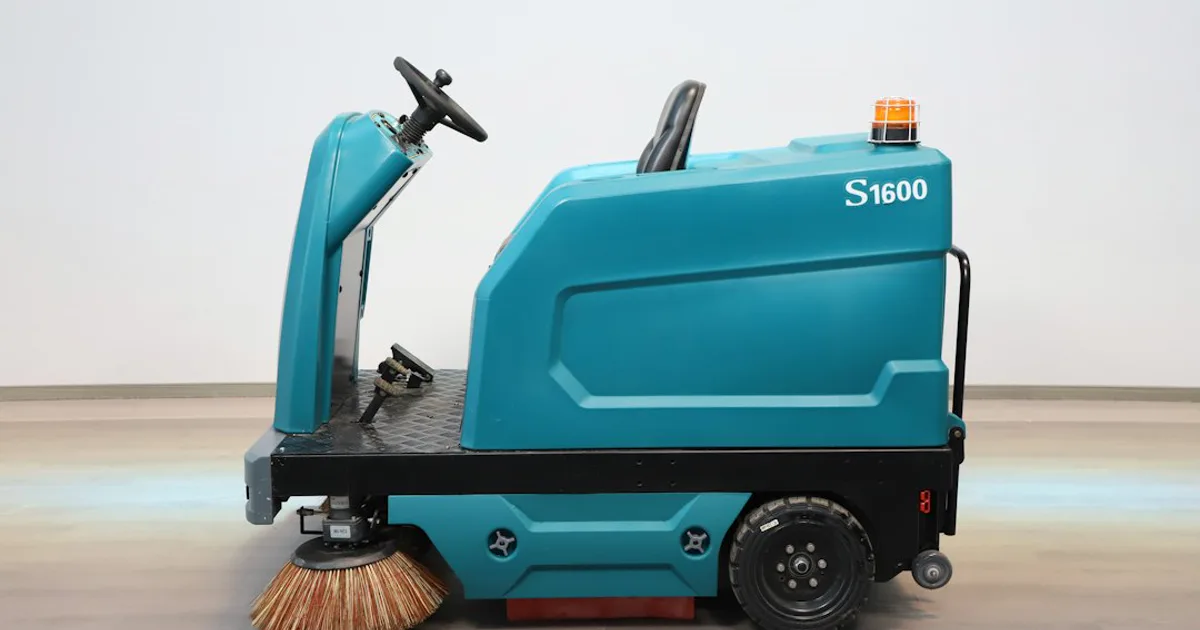
- Warehouse and industrial: ride-on sweeper or scrubber passes, dock areas, dust control, far less restroom load per square foot — which is why commercial cleaning cost per square foot varies so widely by building type.
- Multifamily: common areas, hallways, amenity rooms, and trash rooms on a recurring route, with unit turnovers quoted separately.
- Senior living: higher restroom and high-touch frequency, dining support, odor control, staff screening requirements.
- Medical and retail: exam-room protocols and documented disinfection on the clinical side, daily front-of-house appearance on the retail side — both written around a constraint rather than around square footage.
How to Read the Scope Before You Sign
Ask for the scope as a task-by-frequency matrix rather than a paragraph. A vendor who produces one quickly has thought about your building; one who can't will be improvising by month three. Then confirm six things: consumables, the periodic-work schedule and whether it's included or quoted later, crew size and expected hours on site, supervision and inspection cadence, who you call when something is missed and the response window, and current insurance, bonding, and workers' compensation certificates.
Ask about crew consistency directly, too, because the labor market makes it the real variable. The occupation held about 2.4 million jobs in 2025 with only 2 percent projected growth through 2035, yet roughly 321,800 openings expected every year — nearly all from turnover rather than new positions. A provider's answer on retention, pay, and training tells you more about month six than any line in the proposal. For a fuller checklist, see what to look for in a cleaning contract's scope of work.
Frequently Asked Questions
What is included in standard commercial cleaning services?
Five task groups: trash removal and liner replacement, floor care (vacuuming, sweeping, damp mopping), restroom cleaning and consumable restocking, surface and glass cleaning, and wiping of frequently touched points. Anything beyond that — periodic floor refinishing, carpet extraction, high dusting, exterior windows — is normally priced as a separate add-on.
Does commercial cleaning include disinfecting?
Usually only in targeted places, and only if the contract says so. Public-health guidance holds that routine cleaning is typically sufficient for most surfaces and germs, reserving disinfection for visible illness on a surface or an outbreak flagged by local health authorities. A standard scope means cleaning throughout plus disinfection at specific high-risk points.
How often does a commercial cleaner come?
Most contracts layer tiers: daily or several-times-weekly for trash, restrooms, floors, and high-touch points; weekly for detail dusting; monthly or quarterly for vents and high surfaces; annually for floor refinishing and carpet extraction. Busy buildings typically run five days a week. A small professional office may be fine at two or three visits.
Are cleaning supplies and paper products included?
Chemicals and equipment are nearly always provided by the contractor and built into the rate. Consumables — toilet paper, towels, hand soap, can liners — are the gray area. Some contracts include them at cost plus a small markup; others leave the facility to stock them while the crew restocks dispensers.
What is not included in commercial cleaning services?
Standard commercial cleaning generally excludes biohazard and bloodborne-pathogen remediation, mold remediation, exterior pressure washing, above-ground window washing, deep carpet and upholstery extraction, kitchen hood degreasing, snow removal, and handyman repairs. Many providers offer these as specialty services, quoted individually.
The Bottom Line on Your Cleaning Scope
The five task groups — waste, floors, restrooms, surfaces and glass, high-touch points — are the common denominator across commercial cleaning. Everything else is a negotiated variable: how often each tier runs, which periodic work is scheduled versus quoted later, who buys the paper products, what gets documented. That's where bids actually diverge.
So the most useful thing to do before collecting quotes is write the matrix yourself — your task groups, your frequencies, your building's quirks — and hand the same document to every provider. Then you're comparing identical deliverables instead of differently formatted guesses.
Neat & Clean Co builds scopes that way for offices, warehouses, multifamily properties, and senior-living communities across our commercial cleaning service areas in the Minneapolis North Metro. If you'd like a task-by-frequency scope priced for your building, request an estimate for your facility.
This article is for general informational purposes only. Cleaning scope, frequency, and pricing vary by facility size, type, and condition. Service availability depends on your location within Neat & Clean Co's service area. Contact us for a quote specific to your facility.
Related articles

Commercial Cleaning Contract Length: Month-to-Month vs Annual
Most facility managers treat cleaning contract length as a question of how long they're locked in. It's really a question of price and leverage. Here's what a month-to-month term actually buys you, what an annual agreement actually buys you, and why the renewal, notice, escalation, and termination clauses deserve more of your review time than the number of months on the signature page.
One-Time Commercial Cleaning Cost: Deep Clean Pricing Guide
A one-time deep clean rarely matches the per-square-foot numbers you find online, because project work is priced on condition rather than area. This guide breaks down what a one-time commercial cleaning scope actually covers, the three structures providers use to price it, the five factors that move your quote the most, which add-ons sit outside the base bid, and how to put competing proposals on equal footing before you sign anything.
How to Write a Commercial Cleaning RFP: Template and Tips
Four cleaning bids on the same building can land anywhere from $1,400 to $4,900 a month — usually because each bidder priced a different job. A written RFP is what makes those numbers comparable. Here is the document section by section: facility profile, a task-and-frequency scope of work, insurance and OSHA submission requirements, product specifications you can actually verify, and an evaluation structure that scores more than price.