Electrostatic Spraying for Offices: How It Works and What It Costs
Electrostatic spraying shows up on janitorial proposals as a tidy per-square-foot add-on, and most facility managers approve or decline it without really knowing what they are buying. This guide walks through how the charged-droplet technology actually works, what independent EPA testing found about its coverage and contact-time limits, what offices typically pay for it as a recurring or one-off line item, and the handful of questions worth asking a provider before you sign off on it.

Electrostatic spraying arrives the same way on every janitorial proposal: one line, a per-square-foot number, and a description that sounds impressive without explaining much. Most facility managers approve it or strike it without ever learning what the equipment does. That's a miss — the electrostatic spraying cost for an office is small enough to wave through on instinct and recurring enough to add up over a year.
So here's the technology, what independent testing found when researchers put nine of these devices on a bench, what offices pay, what moves that number, and where the service belongs in a cleaning program.
How Electrostatic Spraying Actually Works
The charge happens at the nozzle
The mechanism is simpler than the name suggests. According to the EPA, electrostatic sprayers apply a positive charge to liquid disinfectants as they pass through the nozzle. Charged droplets get pulled toward surfaces instead of falling where the technician aimed, which is why the pitch always centers on coverage and speed.
Providers show up with one of three formats. Handheld units suit a conference room or a bank of elevator buttons; cart-mounted units carry a bigger tank for whole-floor passes; backpack units trade tank volume for mobility in stairwells and tight corridors. What separates them is capacity and ergonomics, not chemistry.
What it changes, and what it doesn't
The technology was adapted from agricultural spraying, and it moved into offices, schools, and transit systems for the same reason it worked on crops: it covers a lot of surface area quickly. The EPA notes that businesses, airlines, schools, and transit agencies have used these sprayers to treat large, frequently touched surface areas.
Hold onto one point as you read a proposal: the sprayer doesn't change the product inside it. Active ingredient, labeled dwell time, the surfaces it's cleared for — all identical to the same chemical in a trigger bottle. The sprayer changes only how the liquid gets onto the surface.
What the Testing Shows It Does — and Doesn't Do
The contact-time tradeoff
This is the finding that should shape how you evaluate the service. Electrostatic application can put down less liquid per square foot, which sounds like pure efficiency. EPA researchers flagged the catch: with less product applied, the process may not actually work if the surface does not stay wet for the required contact time. Picture a desk that dries in ninety seconds under a product with a ten-minute dwell requirement. That surface got a cosmetic treatment, not a functional one.
Wrap-around coverage is thinner than advertised
Manufacturers lean hard on the idea that charged droplets curve around objects to coat the backs and undersides. EPA researchers tested that directly, spraying cylindrical objects with fluorescent dye and photographing deposition under UV light. Front-facing surfaces got most of the product. Back surfaces showed minimal apparent wrap-around effect, regardless of how strongly the device charged the spray. Smaller objects fared somewhat better, which suggests geometry matters more than charge.
The devices are not interchangeable
The same study measured charge across nine devices and found wide variation. Four of six sprayers tested produced sprays of at least 0.1 mC/kg, a proposed threshold for a meaningful electrostatic benefit. Units running on alternating current charged far more strongly than the battery-powered ones. And one battery unit sold as electrostatic produced no measurable charge at all.
Manufacturer coverage recommendations ranged from roughly 1 to 13 milliliters per square meter — a better than tenfold spread, and chemical consumption is a real cost input. The practical lesson: "we use electrostatic" tells you almost nothing. The specific device and the technician's technique do the work.
Electrostatic Spraying Cost for an Office: What to Expect
Three ways providers price it
Most commercial providers price it one of three ways.
- Per square foot, as an add-on to recurring janitorial. Typically $0.01 to $0.05 per square foot per application, so a 10,000-square-foot office lands around $100 to $500 per visit. The low end reflects a whole-floor pass bundled into an existing contract; the high end, targeted surface-by-surface treatment with a technician working deliberately around furniture.
- Flat per-visit minimum. Commonly $150 to $350 for offices under about 5,000 square feet. Mobilizing a technician and equipment costs roughly the same at 2,000 square feet as at 6,000, so small offices hit a floor rather than a rate.
- Folded into a deep clean. Often absorbed into one-time deep clean pricing rather than billed separately, particularly after a renovation or a tenant move-in.
If you are thinking about buying the equipment
Handheld units run roughly $300 to $1,000; cart and backpack units roughly $1,500 to $5,000 and up. Approachable enough that in-house facilities teams regularly consider the purchase — and then discover the sprayer was the cheap part. Ongoing cost is chemical plus labor plus training, and labor is by far the larger figure.
What the line item does not replace
Electrostatic spraying is a cost on top of regular cleaning, not instead of it. If a proposal prices spraying as a substitute for daily service, it's mispriced, and the scope gap shows up within a month as dust on horizontal surfaces and full waste bins.
What Moves the Price Up or Down
- Treated square footage versus total square footage. The biggest swing factor. Ask which number the quote is built on — a 40,000-square-foot building might hold only 9,000 square feet of surfaces anyone intends to spray.
- Surface density. A call center of cubicles, monitors, and task chairs takes far longer per square foot than open warehouse-style space.
- Frequency. Recurring programs price well below one-off treatments, because the regular visit already covers mobilization.
- After-hours access. Dwell times and ventilation needs often push the work outside business hours, which carries a premium.
- Chemical selection. The product's coverage rate and whether its label authorizes electrostatic application both affect consumption per visit.
- Pre-clean requirements. Surfaces have to be cleaned before they are treated, and if the provider does that wipe-down it's its own labor line.
When the quotes in front of you differ by more than you can explain, the same forces are usually at work — see why commercial cleaning quotes vary so much.
Where Electrostatic Spraying Fits in an Office Cleaning Program
Order of operations is not optional. CDC guidance holds that cleaning with products containing soap or detergent reduces germs on surfaces by removing contaminants, with disinfection layered on afterward to address what remains. Spray a soiled surface and you skip the step that does the physical removal. You end up with chemical sitting on top of dust.
That same guidance holds that routine daily cleaning of high-touch surfaces — desks, keyboards, phones, doorknobs, light switches, handles, stair rails, elevator buttons, faucets — is usually enough under ordinary conditions, with added disinfection reserved for specific circumstances such as someone with a confirmed case having been in the space within the last 24 hours.
Which leaves a few honest use cases: speed across genuinely large areas, awkward geometry like stacked chairs or lockers, seasonal surges when absenteeism climbs, and response after a specific incident. Build it on top of a working high-touch surface cleaning program rather than in place of one.
What to Confirm Before You Approve the Line Item
- Label authorization. The EPA states that a disinfectant product's safety and effectiveness may change based on how it is used, and products whose labels do not include electrostatic spray directions have not been reviewed for that method. Ask to see the label.
- Dwell time and turnaround. What is the labeled contact time, and how long before staff can re-enter?
- Pre-clean sequencing. Who wipes the surfaces first, and is that inside the scope you are being quoted?
- Device and technique. Which unit, at what coverage rate, and how does the technician handle backs and undersides?
- Safety practices. Gloves for all cleaning tasks, adequate ventilation during use, strict adherence to label directions, and never mixing bleach with ammonia or other cleaners.
The chemical questions are worth asking across your whole program, not just this line item — here is what to ask about the chemicals used in your building.
Frequently Asked Questions
How much does electrostatic spraying cost for an office?
Expect roughly $0.01 to $0.05 per square foot per application as an add-on, so about $100 to $500 per visit for a 10,000-square-foot office. Offices under 5,000 square feet usually hit a flat minimum instead, commonly $150 to $350. Recurring programs price at the low end, one-off treatments at the high end.
Is electrostatic spraying better than wiping surfaces down?
They do different jobs. Wiping with soap or detergent physically removes soil and residue; spraying applies chemical to a surface that's already clean. CDC guidance puts cleaning first and disinfection on top, so spraying follows a wipe-down rather than replacing it. Its real edge is speed across large areas and awkward geometry.
Does electrostatic spraying reach the backs and undersides of furniture?
Less than the marketing suggests. EPA researchers sprayed cylindrical objects and photographed the deposition under UV light: front-facing surfaces got most of the product and back surfaces very little, regardless of how strongly the device charged the droplets. A technician still has to work around furniture deliberately.
Can any disinfectant be used in an electrostatic sprayer?
No. The EPA states that a product's safety and effectiveness may change based on how it is used, and labels without electrostatic spray directions have not been reviewed for that method. Ask your provider for the label before you approve the line item.
How long does electrostatic spraying take in a typical office?
Faster than wiping the same surfaces, but not minutes per room. Devices in EPA's testing mostly flowed 100 to 200 milliliters per minute, and the slowest needed roughly two and a half hours to cover 1,000 square meters — about 10,800 square feet. Add setup, mixing, and the labeled dwell time.
The Bottom Line on Electrostatic Spraying for Your Office
Electrostatic spraying is a legitimate delivery method with a real speed advantage over a cloth and a bottle, and a poor substitute for a cleaning program. Priced as an add-on at a penny to a nickel per square foot, it can be a reasonable buy for large areas and awkward surfaces. Priced as a replacement for daily service, it isn't.
So decide which one you're buying — speed on large surfaces, or reassurance — then price it against a tighter, better-documented high-touch wipe-down schedule. Neat & Clean Co works with facility and property managers across the Minneapolis North Metro on exactly this kind of scope decision: see the commercial cleaning service areas we cover, or request an estimate for your building.
This article is for general informational purposes only. Cleaning scope, frequency, and pricing vary by facility size, type, and condition. Service availability depends on your location within Neat & Clean Co's service area. Contact us for a quote specific to your facility.
Related articles
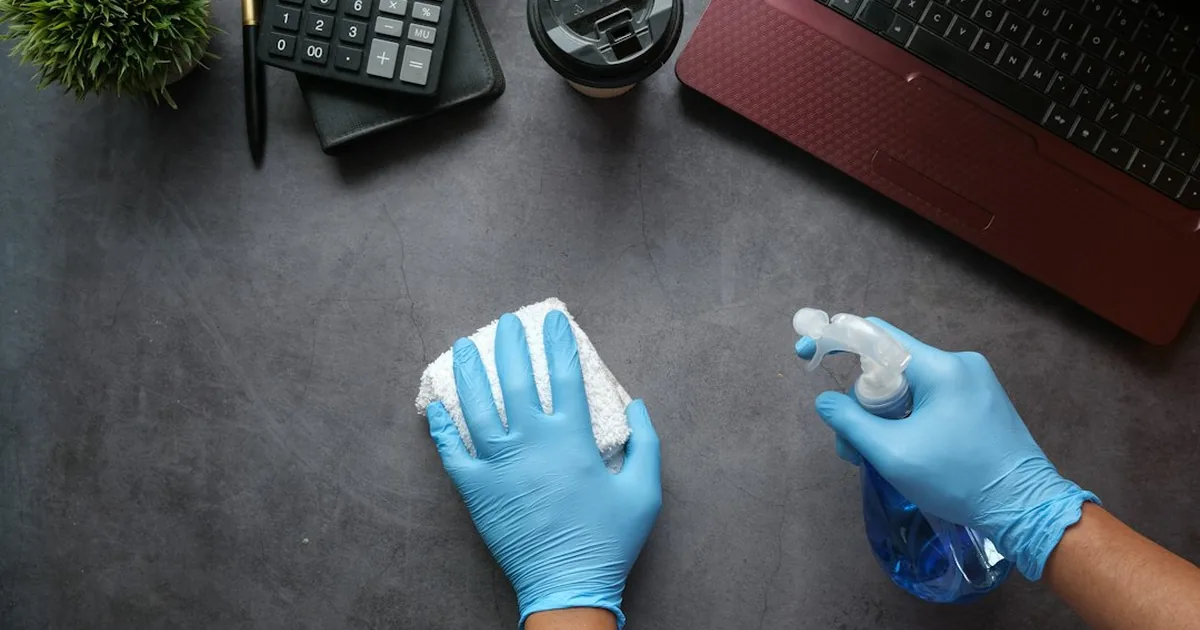
Signs Your Office Needs More Cleaning Visits Per Week
A cleaning schedule built for last year's office can fall behind. Here are the signs your office needs more cleaning visits per week, and how to turn them into a new plan.
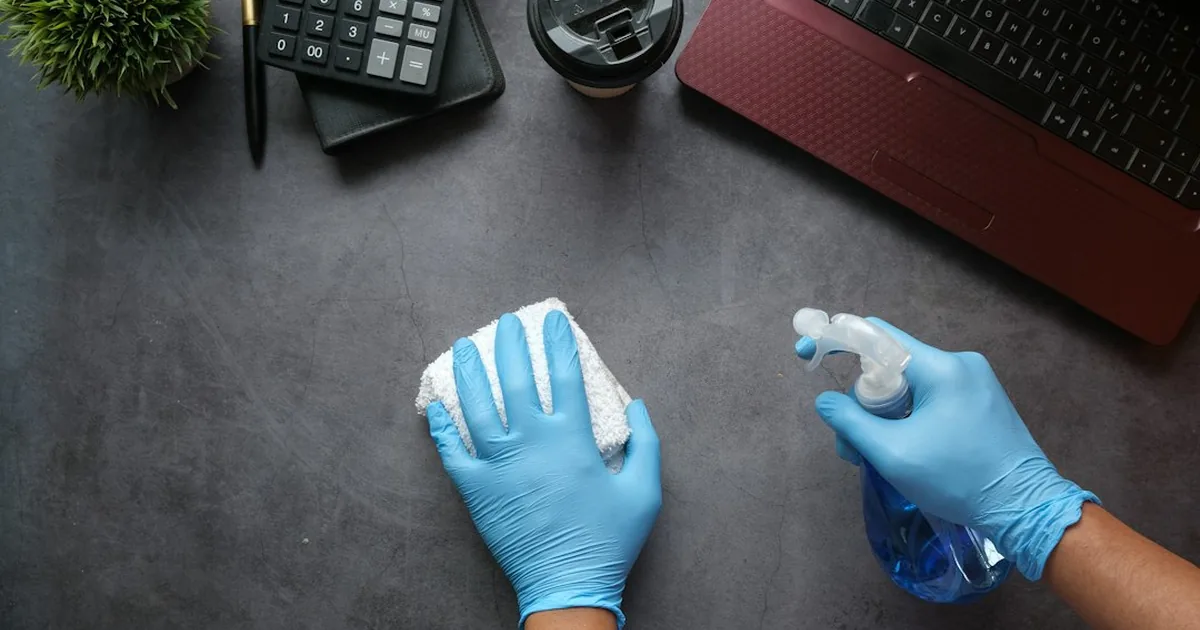
Commercial Cleaning Pricing Models: Per Square Foot, Hourly or Flat Rate
Per square foot, hourly or flat rate: how each commercial cleaning pricing model builds a quote, which jobs it fits, and how to line bids up before you sign.
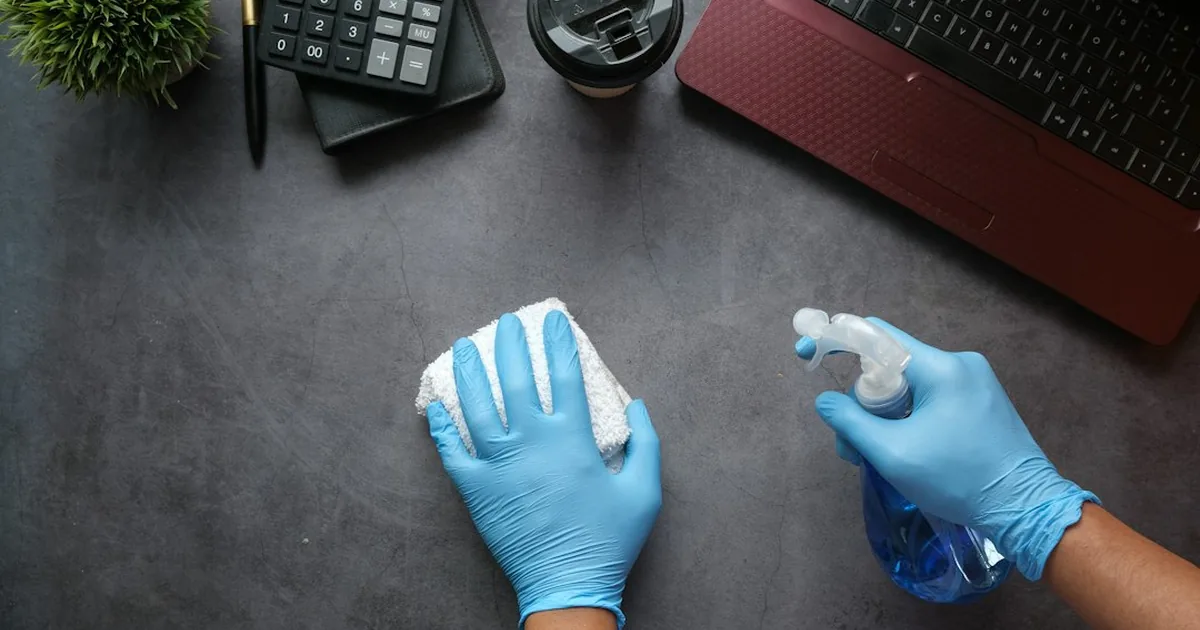
Commercial Cleaning Cost by Facility Type: Office, Medical and Industrial Ranges
Office, medical and industrial buildings do not cost the same to clean. Here are the published per-square-foot ranges and the labor, scope and frequency factors behind them.