How to Choose a Commercial Cleaning Company in Roseville, MN
Choosing a commercial cleaning company in Roseville comes down to a clear scope, crew training, references, proof of insurance and a written agreement. Here is how to check each one.
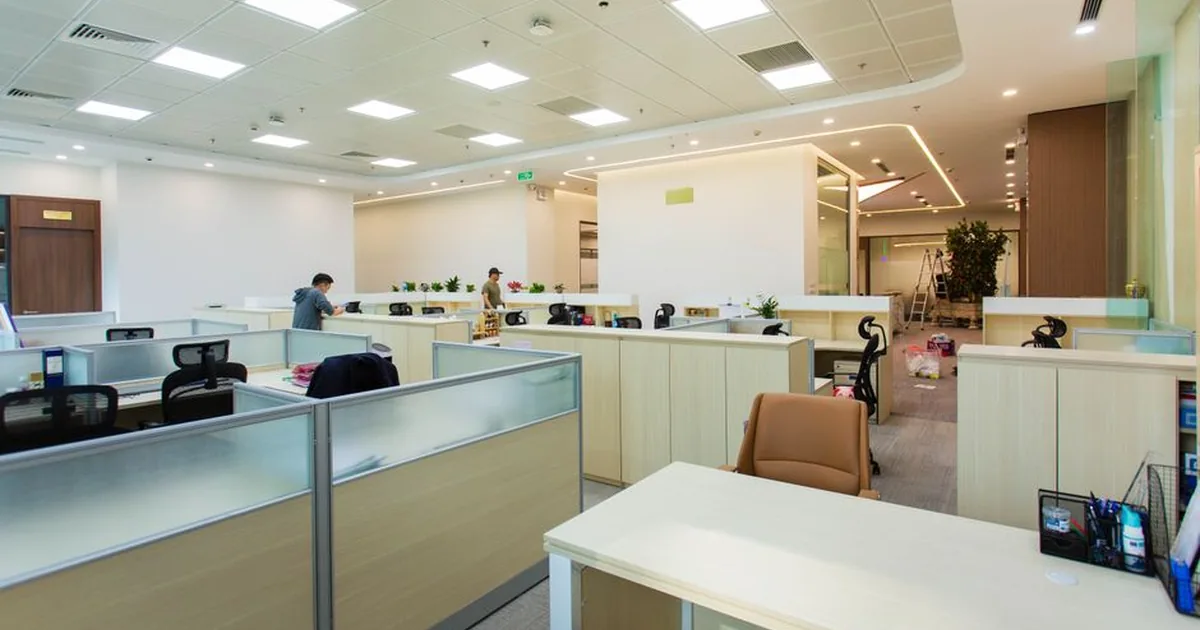
Start With Your Building, Not the Vendor List
Picking a commercial cleaning company in Roseville is easier once you know what your building needs. Roseville is a dense inner-ring suburb in Ramsey County, with office parks along Snelling and Lexington Avenues, senior living communities and retail centers near Rosedale. A medical office, a retail floor and a corporate suite all ask different things of a cleaning crew, so a vendor that suits one may not suit another.
Here is how to choose a commercial cleaning company in Roseville, MN: what to define first, what to ask, what to check and how to compare estimates fairly. There is no pricing here, because the right number depends on your scope. The aim is to get the scope right, so any number you receive means something.
Write down what you need before you call
Before you contact anyone, put the basics on one page:
- The areas to be cleaned: offices, restrooms, break rooms, lobbies, entryways, hard floors, carpet.
- How often each area needs attention, and on which days.
- Surfaces or equipment that need special care, such as medical rooms, glass walls or specialty flooring.
- When the crew can get into the building and who will let them in.
With that page in hand, every company you talk to starts from the same facts. If you want a second set of eyes on the list, our page on commercial cleaning in Roseville shows the services we offer there.
Ask How the Crew Is Trained and Supervised
A cleaning company is only as good as the people in your building and the way they are trained. Our list of questions to ask a commercial cleaning company goes deeper, but a few topics deserve attention early.
Chemical safety and safety data sheets
Cleaning products are chemicals, and some are hazardous. OSHA's Hazard Communication Standard expects employers to keep a safety data sheet for each hazardous chemical, to make it accessible during every shift, and to train employees on the chemicals in their work area when they are first assigned and whenever a new hazard is introduced. The standard also covers sites where employees of more than one employer may be exposed, so a contractor working in your building is part of the picture, not outside it.
In practice, ask the company:
- How are crew members trained on the products they use?
- Where are the safety data sheets kept, and can your team see them?
- Who is responsible for the products on your site, and who do you call with a question?
Training and product choices
The EPA notes that people who clean can be exposed to concentrated cleaning products, and that proper training and a chemical management system can greatly reduce that exposure. EPA's Safer Choice program also labels products that meet its safer-chemistry standard, including some made for institutional use. You don't need to become a chemist. You do want a company that can explain, in plain terms, how its crew is trained and how it picks the products it brings into your space.
Supervision
Ask who checks the work and how. A good answer names a person and a routine. A promise isn't an answer. For a multi-tenant office park or a senior living community, it also helps to know who your day-to-day contact will be.
Check References, Complaints and Proof of Insurance
The Better Business Bureau offers hiring advice that applies to commercial buildings as well as homes. Its tips are a good checklist for any vendor.
Look up the company and read how it responds
BBB advises checking a business at bbb.org and reading its reviews and complaints. It notes that the nature of complaints, and how the company answers them, often matters more than the number of complaints. A company that responds to a problem in a straightforward way tells you something useful about how it will treat you.
Call the references
Ask for a reference list and call it. Questions worth asking a current client: Does the crew arrive when scheduled? What happens when something is missed? How long did it take to fix? Were you ever surprised by the invoice? Look for clients whose buildings resemble yours.
Ask for proof of insurance
BBB suggests asking any cleaning company you consider for proof of insurance, then verifying it directly with the insurance agent. Confirm that the coverage limits fit your facility and that the company carries its own workers' compensation. Without it, BBB points out, an injured cleaner could look to your own liability coverage. Your property manager or insurance agent can tell you what limits your building needs.
Do not lean on a license
BBB also notes that in most states no agency issues a license for cleaning services. A license on a website, then, does not prove quality. References, complaint history and proof of insurance tell you more.
Put the Scope in Writing
A written agreement should spell out what will be cleaned and on what schedule. This is where most disagreements start: you assumed the break room refrigerator was included, and the crew assumed it was not. Both assumptions are reasonable until something is written down.
Look for these items in the document:
- Each area or room type, and the tasks performed in it.
- How often each task happens, and on which days of the week.
- Anything that is extra or by request, such as carpet extraction or floor refinishing.
- How changes to the scope are requested and confirmed.
- How either side can end the agreement.
Our guide to the contract scope of work explains each of these in more detail. If a task is not written down, do not assume it is covered.
Compare Estimates on the Same Scope
BBB recommends interviewing at least three companies and getting an estimate from each before you decide. The point isn't to find the lowest figure. It's to see how each company reads your building.
Give each company the same one-page scope and, if you can, walk them through the space. Then lay the estimates side by side and look at the lines, not the totals. When two estimates differ, the cause is usually scope: one includes a task the other left out, or they assume different visit frequencies. If you want a method for this, see how to compare commercial cleaning bids.
Notice, too, how each company handles the process. Did they ask about your building before quoting? Did they answer your questions directly? The way a company behaves while it is trying to win your business is a fair preview of how it will behave afterward.
Your Roseville Vendor Shortlist
To choose a commercial cleaning company in Roseville with confidence, work in this order: define your scope, ask about training and chemical safety, check references, complaint history and proof of insurance, get the scope in writing, and compare estimates that are built on the same scope. Each step takes little time. Together they remove a lot of guesswork.
If you would like Neat & Clean Co to look at your Roseville building, you can request an estimate. You can also read about commercial cleaning in Roseville before you reach out.
Frequently Asked Questions
How many cleaning companies should I get estimates from?
BBB suggests interviewing at least three companies and getting an estimate from each before you choose. Give each the same scope so the estimates can be compared.
Does a cleaning company need a license?
BBB notes that in most states no agency issues a license for cleaning services, so a license alone does not prove quality. References, complaint history and proof of insurance tell you more.
What should a cleaning scope of work include?
The areas to be cleaned, the tasks in each, how often each task happens and the days of service. If a task is not written down, do not assume it is covered.
How do I know a cleaning crew handles chemicals safely?
Ask how staff are trained on the products they use and where the safety data sheets are kept. OSHA expects hazardous-chemical training and safety data sheet access, including for outside contractors working on your site.
This article is for general informational purposes only. Cleaning scope, frequency, and pricing vary by facility size, type, and condition. Service availability depends on your location within Neat & Clean Co's service area. Contact us for a quote specific to your facility.
Related articles

Conference Room Cleaning Schedule: Follow Bookings, Not the Calendar
A fixed weekday slot cleans empty rooms and misses busy ones. Here is how to tie a conference room cleaning schedule to your booking system instead.
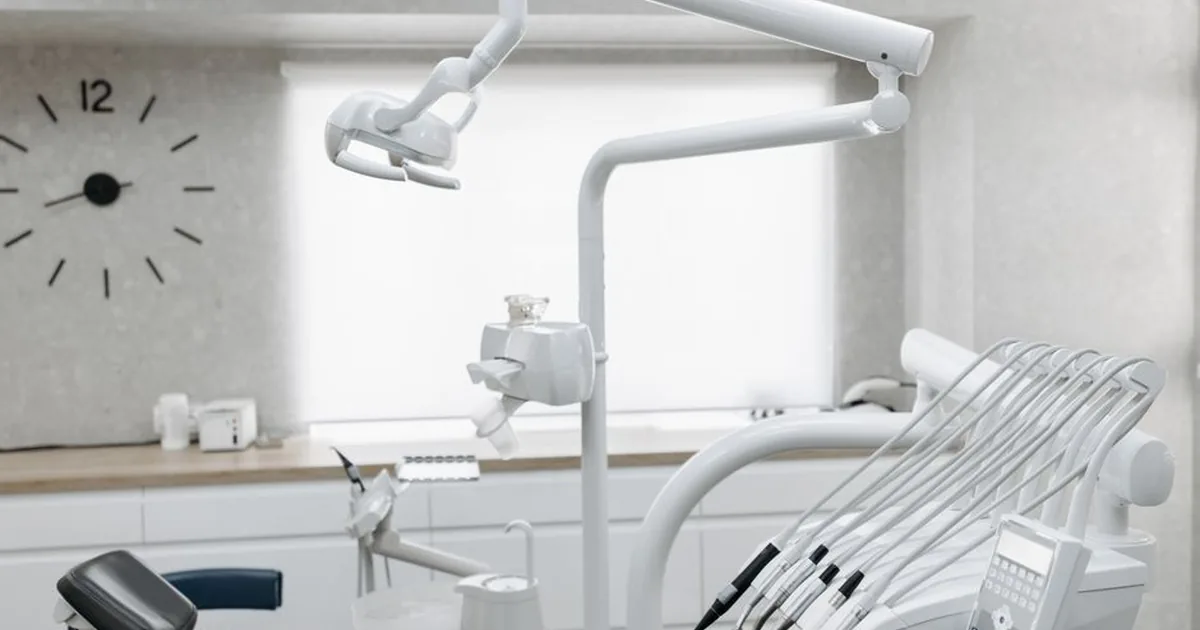
Medical Office Cleaning Documentation: Logs and Sign-Off Explained
A cleaning log turns a schedule into a record. See what CDC guidance says a log should capture, who signs off, and how audits keep a medical office on track.
Office Break Room Cleaning Checklist for Facility Managers
The break room is the only room in a commercial building where people prepare food, eat it, and leave it behind — and it is usually the room your cleaning scope describes in a single vague line. This checklist breaks the work down zone by zone, separates the tasks OSHA actually requires from the ones that are quality decisions, and shows facility managers how to assign every line between the janitorial contract and building staff.