Medical & Dental Office Cleaning Standards: A Facility Manager's Guide
A medical or dental office looks like any other workplace to a cleaning crew, but the standard it is held to is not the same. Here is how CDC surface tiers, EPA-registered disinfectants, and OSHA's rules shape what proper cleaning looks like, and how to hold a commercial partner to it.
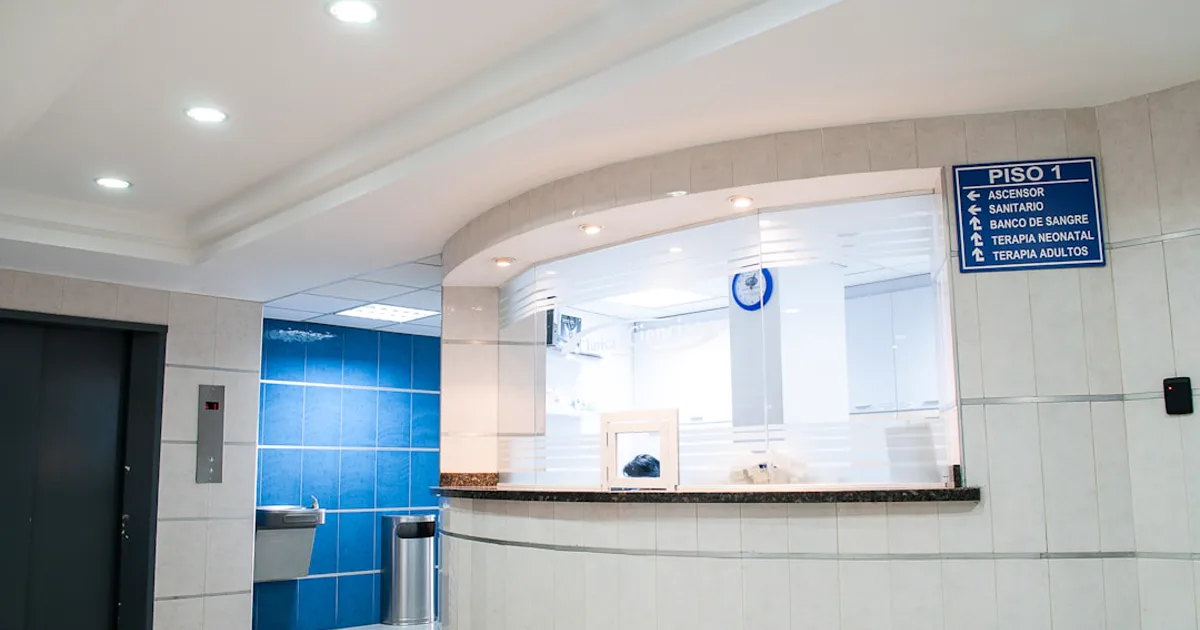
A Different Standard Behind the Same Front Door
To a cleaning crew walking in after hours, a medical or dental office can look like any other suite of offices, hallways, and restrooms. It isn't. The moment patient care happens in a room, the cleaning that follows falls under a layered set of rules from the CDC, the EPA, and OSHA, and the wrong process creates real infection-control exposure and real liability. Medical office cleaning standards aren't about a tidier waiting room. They're about a documented, repeatable process a facility manager can actually defend.
This guide walks through the framework that matters for medical and dental practices. We'll cover the two tiers of surfaces the CDC recognizes, how to choose and correctly use an EPA-registered disinfectant, why cleaning has to come before disinfecting, and where OSHA draws a hard legal line. It closes with a short checklist you can hand any commercial cleaning provider, so you know they're working to the standard rather than around it.
The Two-Tier Standard: Clinical Contact vs. Housekeeping Surfaces
The foundation of every medical and dental cleaning program is a distinction most general office cleaning ignores. The CDC sorts environmental surfaces into two categories, and each carries its own rule set (CDC, environmental infection prevention in dental settings).
Clinical contact surfaces
These are the high-touch, procedure-exposed surfaces: light handles, bracket and instrument trays, unit switches, drawer knobs, counters, and anything touched by gloved hands during care. They pick up spray, spatter, and contamination in the middle of a procedure, so they carry the highest transmission risk. The CDC's preferred approach is to barrier-protect them with an FDA-cleared cover that gets changed between patients. Where a barrier isn't practical, the surface is cleaned and then disinfected between patients with an EPA-registered hospital disinfectant. A low-level product effective against HIV and HBV works when the surface isn't visibly soiled; once blood or other potentially infectious material is present, you need an intermediate-level product carrying a tuberculocidal claim.
Housekeeping surfaces
Floors, walls, and sinks are housekeeping surfaces. They don't touch patients or instruments directly, so the risk is lower, and they can be cleaned with soap and water, or cleaned and disinfected when visibly contaminated with blood. This tier is usually where a commercial cleaning partner does most of its work, and it maps closely to the facility-wide approach we cover in our guide to senior-living facility cleaning standards. The mistake isn't neglecting housekeeping surfaces; it's treating every surface the same way, which either wastes money over-disinfecting floors or, worse, under-treats the surfaces that actually matter.
Clean First, Then Disinfect, and Respect Contact Time
Two details separate a cleaning program that meets the standard from one that only looks like it does. Both are easy to get wrong.
The first is sequence. Cleaning comes before disinfection, every time. Blood, saliva, and ordinary organic debris physically shield microorganisms from the disinfectant, so wiping a product onto a visibly soiled surface can compromise the entire process (CDC, sterilization and disinfection). Clean the surface first. Then apply the disinfectant to a surface that's already free of visible soil.
The second is contact time, sometimes called dwell time. An EPA-registered disinfectant only works if the surface stays visibly wet with the product for the full number of minutes the label specifies. A crew that sprays and immediately wipes dry has cleaned the surface but hasn't disinfected it. This one detail is the most common real-world failure in facility cleaning, and it's the first thing a sharp facility manager should ask a provider to explain.
It helps to know what the product categories mean, too. The EPA classifies surface disinfectants as low-, intermediate-, or high-level. The low- and intermediate-level products are the ones used on environmental surfaces; high-level agents such as glutaraldehyde are for reprocessing certain instruments and should never touch environmental surfaces, because they're too toxic for the job. And a word on honest expectations: no environmental disinfectant should be sold as a promise to wipe out every germ. The standard is a properly EPA-registered product used exactly as its label directs, not a marketing claim.
Where OSHA Draws the Line: The Bloodborne Pathogens Standard
Beyond the CDC's clinical guidance sits a legal floor. OSHA's Bloodborne Pathogens standard, 29 CFR 1910.1030, applies to any workplace where employees can be occupationally exposed to blood or other potentially infectious material, and that includes the people who clean the facility (OSHA, 29 CFR 1910.1030).
The standard requires that contaminated environmental and working surfaces be decontaminated with an appropriate disinfectant after a procedure is completed, immediately or as soon as feasible after a spill of blood or other potentially infectious material, and at the end of a work shift if a surface may have become contaminated since the last cleaning. Employers also have to maintain a written schedule for cleaning and decontamination, keyed to the location, the type of surface, the type of soil present, and the tasks performed in the area.
OSHA doesn't mandate one specific product. Its position is that EPA-registered tuberculocidal disinfectants, appropriately diluted bleach solutions, and EPA-registered products labeled as effective against both HIV and HBV all qualify as appropriate for decontaminating contaminated surfaces, as long as the contamination doesn't call for a higher level of disinfection. The standard also requires that whoever performs the cleaning be provided appropriate personal protective equipment, and that regulated waste go into labeled, leak-proof containers and be disposed of according to federal, state, and local rules. For a cleaning crew, that means bloodborne-pathogen training and PPE aren't extras. They're the baseline for doing the work lawfully.
Frequency and the Written Schedule
Standards define how a surface gets cleaned; frequency defines the operating rhythm that keeps a facility consistently within them. Restrooms, waiting areas, and shared high-touch points generally warrant daily attention, while deeper cleaning cycles run on a set schedule tuned to the practice's patient volume and layout. Building that cadence from scratch? Our overview of how often an office should be professionally cleaned is a useful starting point to adapt for a clinical setting.
Notice that OSHA's written-schedule requirement and the CDC's expectation of written infection-prevention policies point to the same discipline: the standard isn't met by good intentions, it's met by a documented plan that gets followed, monitored, and trained to. A schedule you can produce on request, with a record of who did what and when, is what turns a cleaning routine into a defensible standard.
What to Specify to Your Cleaning Partner
You don't have to run the crew yourself, but you do need to specify the standard clearly and confirm the provider can meet it. Turn everything above into a short list of questions and requirements:
- Do you use EPA-registered hospital disinfectants, and do your crews honor the label contact time on every application?
- Is the team trained on OSHA's bloodborne-pathogens requirements, with the right PPE provided?
- How do you prevent cross-contamination, for example with color-coded or single-use cloths so a cloth used in a restroom never touches a clinical surface?
- How is the split between your housekeeping scope and our clinical staff's between-patient responsibilities documented, so nothing falls through the cracks?
- Can you provide a written schedule and a record of completed work we can produce if we're ever asked?
A provider who answers those clearly is working to the standard. This is exactly the ground a thorough commercial cleaning walkthrough should cover before any quote is written. Neat & Clean Co provides commercial cleaning across Southwest Florida and the Minneapolis North Metro, and we build medical and dental scopes around exactly these requirements rather than treating a clinical suite like an ordinary office.
Frequently Asked Questions
Do commercial cleaners disinfect the exam rooms in a medical or dental office?
It depends on how the work is divided. Clinical staff almost always handle the clinical contact surfaces tied directly to patient care, such as the chair, instrument trays, and anything touched during a procedure, because those are governed by strict between-patient protocols. A commercial cleaning partner typically owns the housekeeping surfaces, such as floors, restrooms, waiting areas, and breakrooms, and can disinfect common high-touch points. The split should be written down so nothing falls through the cracks, and both parties should use EPA-registered products applied for the labeled contact time.
What kind of disinfectant should be used in a medical office?
For general environmental surfaces, an EPA-registered hospital disinfectant is the baseline. CDC guidance calls for a low-level product effective against HIV and HBV on surfaces that aren't visibly soiled, and an intermediate-level product with a tuberculocidal claim when blood or other potentially infectious material is present. The most-missed detail is contact time: the surface has to stay visibly wet with the product for the number of minutes stated on the label, or it isn't actually disinfected.
What does OSHA require for cleaning a healthcare facility?
OSHA's Bloodborne Pathogens standard, 29 CFR 1910.1030, requires that contaminated surfaces be decontaminated after procedures, immediately after a spill of blood or other potentially infectious material, and at the end of a shift if a surface may have been contaminated. Employers must maintain a written cleaning and decontamination schedule, provide appropriate personal protective equipment to whoever does the cleaning, and handle regulated waste in labeled, leak-proof containers.
Is a regular office cleaning company qualified to clean a dental practice?
A general office cleaner can handle a dental practice, but only if the scope, products, and training are matched to a healthcare setting rather than a standard office. Ask whether the crew is trained on bloodborne-pathogen precautions, whether they use EPA-registered disinfectants and honor contact times, how they handle color-coded or single-use cloths to avoid cross-contamination, and how the clinical-versus-housekeeping split is documented. A provider that can answer those clearly is qualified; one that treats it like any other office may not be.
The Bottom Line
Cleaning a medical or dental office is a documented, regulated standard, not just a more careful version of tidying an office. It rests on a few clear ideas: two tiers of surfaces with different rules, cleaning before disinfecting, honoring the disinfectant's contact time, and an OSHA-required written schedule that proves the work was done. The right commercial partner treats those requirements as the starting point, not an upsell. If you manage a practice in our service area and want a cleaning scope built to this standard, request an estimate and we'll walk the facility with you.
This article is for general informational purposes only. Cleaning scope, frequency, and pricing vary by facility size, type, and condition. Service availability depends on your location within Neat & Clean Co's service area. Contact us for a quote specific to your facility.
Related articles

School Facility Cleaning Standards: What Schools and Daycares Are Held To
School and daycare cleaning standards aren't one regulation — they're a framework built from CDC hygiene guidance, EPA chemical guidance, and an OSHA standard most administrators have never read. This guide breaks down the three-tier clean-sanitize-disinfect sequence, what the guidance says about frequency, which products belong in a building full of children, where custodial programs quietly fail, and how to write all of it into a janitorial scope of work you can hold a contractor to.
Commercial Kitchen Cleaning Standards: What Restaurants Are Actually Held To
A kitchen can look clean at the end of a shift and still fail an inspection, because cleanliness in food service is a documented standard rather than an impression. This guide walks through the three sets of rules a commercial kitchen answers to, what cleaning, sanitizing, and disinfecting each actually accomplish, how to build a task cadence you can defend to an inspector, and where an outside cleaning crew fits alongside your own staff.
Green Commercial Cleaning, Explained: What It Means and How to Vet a Provider
"Green cleaning" appears on nearly every janitorial proposal, but the term is unregulated and often means very little. Here's what green commercial cleaning actually involves, which certifications carry real weight, how to spot greenwashing, and the questions that separate a substantiated program from marketing language.