School Facility Cleaning Standards: What Schools and Daycares Are Held To
School and daycare cleaning standards aren't one regulation — they're a framework built from CDC hygiene guidance, EPA chemical guidance, and an OSHA standard most administrators have never read. This guide breaks down the three-tier clean-sanitize-disinfect sequence, what the guidance says about frequency, which products belong in a building full of children, where custodial programs quietly fail, and how to write all of it into a janitorial scope of work you can hold a contractor to.
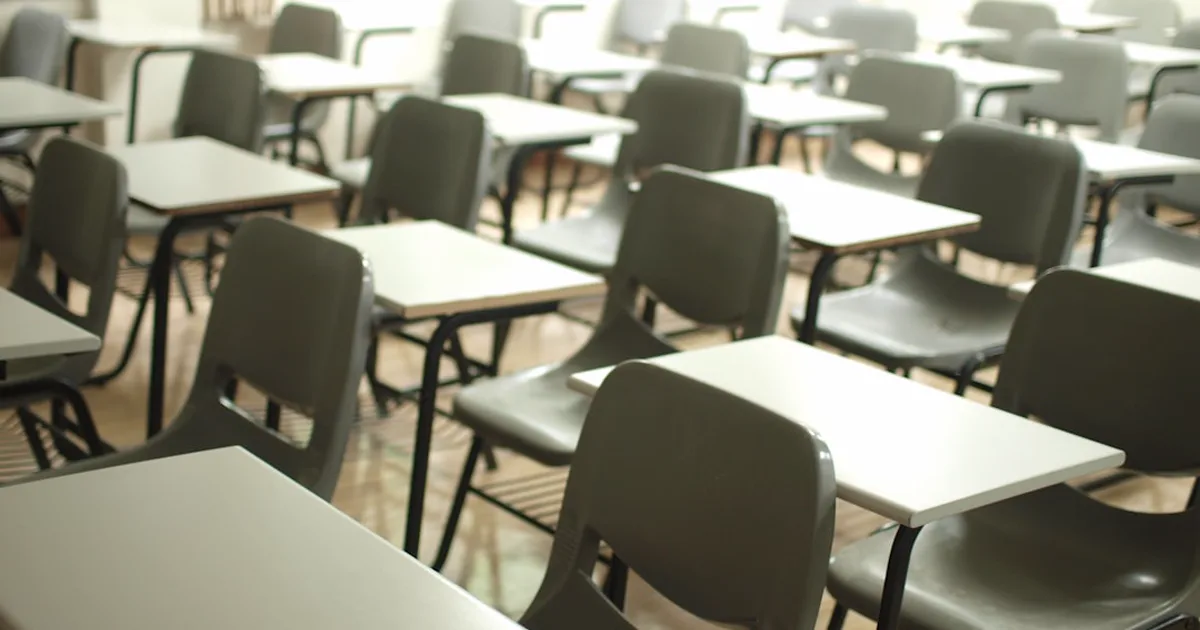
If you run a school, a child care center, or a building that houses both, someone has told you the facility has to meet certain cleaning standards. Nobody hands you the document. That's because school facility cleaning standards aren't a single regulation — they're a framework stitched together from CDC hygiene guidance, EPA chemical guidance, and an OSHA standard most administrators have never opened.
The gap matters. You're buying a service you can't easily verify, and the scope you sign decides everything. Too loose, and the rooms that need real attention get the same treatment as a storage closet. Too aggressive, and you're paying for nightly disinfection nobody asked for. Below: what the three-tier standard actually is, how frequency really works, which products belong in a building full of children, and where these programs tend to break down.
What School Facility Cleaning Standards Actually Require
Three tiers, in order
Federal guidance splits surface hygiene into three distinct jobs, and the order isn't optional. Cleaning uses soap, water, and scrubbing to physically remove germs and soil, and on its own it removes most harmful microorganisms. Sanitizing reduces germs on a surface to a level public health codes consider safe, using weaker bleach solutions or sanitizing sprays. Disinfecting uses a stronger product to destroy remaining germs after cleaning.
Sequencing is the part that gets lost. Soil on a surface makes the chemical step less effective, so a crew that sprays disinfectant onto a dirty cafeteria table hasn't disinfected it. They've wet it. If your team uses all three words to mean "clean," it's worth reviewing why cleaning, sanitizing, and disinfecting are three different jobs before you read another bid.
The bleach benchmark
For early care and education settings, CDC publishes a dilution you can check a contractor's mixing procedure against: one tablespoon of unscented bleach per gallon of water, with items submerged for at least two minutes and not rinsed afterward. Small detail. It also separates a crew following a written procedure from one eyeballing the jug.
How Often Is Often Enough
Routine cleaning is the baseline
Know this before you read another proposal: in most situations, cleaning regularly is enough to prevent the spread of germs. Disinfection is targeted, not universal. CDC points it at areas where someone has obviously been ill, and at blood or body-fluid contamination.
That reframes a lot of bids. A proposal promising full-building disinfection every night is selling labor hours the guidance doesn't call for, plus more chemical exposure than a building full of children needs.
What "high-touch" means on a walkthrough
CDC's high-touch examples translate cleanly to a school: door handles, stair rails, touchpads, restroom fixtures, desks, counters. In early care rooms the list expands to toys, tables, faucets, and drinking fountains. Everything else gets cleaned when visibly dirty, and high-traffic areas may justify cleaning more often or adding disinfection on top.
Frequency is a contract decision
Here's the part that surprises administrators. Federal guidance doesn't publish an hourly or per-room schedule — it sets the routine-versus-event framework and leaves cadence to the facility. So your classroom cleaning frequency isn't fixed by a regulation. It's fixed by the contract you signed, shaped by enrollment, room turnover, and how hard illness season is running.
Zone by Zone: Where the Frequency Changes
Early-childhood and diapering rooms
This is the highest-specification zone in the building. Infant feeding items, toys, and play surfaces are sanitized after each use. Restrooms and diaper changing tables are disinfected on a regular schedule. Staff follow procedures tied specifically to diapering and feeding infants, which are defined steps rather than general housekeeping.
Hand hygiene sits inside the same standard: soap and water for at least 20 seconds with thorough drying, and sanitizer containing at least 60% alcohol when soap and water aren't available. If your janitorial scope covers supply stocking, those thresholds belong in it.
Cafeterias, classrooms, and hard floors
Food-contact surfaces answer to a separate set of expectations, and a school kitchen running full service is held to much the same bar as a restaurant line. The reference there is commercial kitchen cleaning standards.
In classrooms, desks and shared electronics carry the daily load, and CDC notes disinfecting wipes for electronics touched frequently. Hard floors are a different animal. Corridor and gym flooring runs on a maintenance cycle measured in months, not nights, and folding it into the nightly germ-control line is how buildings end up with dull floors and a confusing invoice. Build a VCT floor care schedule separately. Entryway handrails and door touchpoints matter year-round, though in the North Metro the November-through-April salt load changes entry frequency for reasons unrelated to germs.
Product Selection in a Building Full of Kids
Start with the registration, not the label art
EPA maintains a List N tool for identifying registered disinfectants, and products have to be applied according to label instructions for the surface being treated. A product cleared for hard non-porous surfaces isn't automatically right for a vinyl mat or an upholstered reading corner.
One wording note worth adopting internally: the correct term is EPA-registered. Registration means the product's claims have been reviewed, not that the agency endorses the product, and loose wording in a parent newsletter invites a correction you don't need.
Safer Choice, ventilation, and PPE
EPA also recommends Safer Choice products, which perform and contain ingredients safer for human health and the environment, and schools can search that database when specifying a chemical program. This matters more in your building than in an office park, because children can be more sensitive to chemicals and cleaning supplies than adults. Products stay stored out of reach, and children should never handle cleaning chemicals, including disinfectant wipes.
During disinfection, open doors and windows, run fans, or adjust HVAC to increase air circulation. Crews wear the gloves or goggles the Safety Data Sheet calls for, never mix cleaners, and wash hands with soap and water for 20 seconds afterward. Those lines tell you whether a provider trains its people or just dispatches them.
Where School Cleaning Programs Break Down
Contact time is the most-skipped step
A disinfectant only does its job if the surface stays visibly wet for the full contact time printed on the label. CDC calls this the contact or wet time. The failure mode looks like competence: spray and wipe in one motion, move to the next desk. The surface never stayed wet long enough for anything to happen, and a disinfection line item quietly became an expensive wipe-down.
You can audit this without a lab. On your next walkthrough, ask a crew member what the contact time is for the product on their cart. If they know the number and can tell you how they hold it, the program is real. If they can't, that's your finding.
Staff training and OSHA exposure
Cleaning up after a nosebleed in a hallway or a sick child in a classroom isn't only a hygiene question. OSHA's bloodborne pathogens standard (29 CFR 1910.1030) covers exposure control plans, work practice controls, personal protective equipment, hepatitis B vaccination, hazard communication and training, and recordkeeping.
Whether it reaches your custodial staff isn't decided by job title. OSHA has clarified that coverage comes from a task-level exposure determination the employer is responsible for making, and that cleaning blood spills and handling potentially infectious waste are the tasks that typically trigger it. Where exposure is reasonably anticipated, a written exposure control plan for the worksite is required.
Turning Standards Into a Janitorial Scope of Work
Standards you can't point to in a contract are aspirations. Get these in writing:
- Routine cleaning and illness-response disinfection as separate, separately priced lines.
- The product list by name, with a requirement that label contact times be observed.
- Sanitizing procedures and documentation for early-childhood rooms, including feeding items and toys.
- Proof of bloodborne pathogens training and a copy of the exposure control plan where body-fluid cleanup is in scope.
- Who supplies chemicals, where they're stored, and how storage stays out of reach of children.
- A defined high-touch surface list per room type, rather than the phrase "high-touch surfaces" standing alone.
If you're building that document from scratch, start with what a cleaning scope of work should spell out. Neat & Clean Co handles commercial cleaning across the Minneapolis North Metro, including education and child care facilities, and scopes work this way by default.
Frequently Asked Questions
How often should classrooms be cleaned?
Federal guidance frames this as routine versus event, not a fixed hourly schedule. High-touch surfaces such as door handles, desks, faucets, and drinking fountains get cleaned on a regular cadence, which in most schools means daily. Other surfaces are cleaned when visibly dirty. Disinfection is layered on when someone has been ill in the space, rather than applied to every surface every night.
What's the difference between sanitizing and disinfecting in a daycare?
Sanitizing reduces germs to a level public health codes consider safe, and it's what applies to items children put in their mouths: infant feeding items, toys, play surfaces. Disinfecting uses a stronger product after cleaning and is reserved for restrooms, diaper changing tables, and body-fluid contamination. Both steps come after cleaning with soap and water.
Do school custodians need bloodborne pathogens training?
It depends on an exposure determination, not a job title. OSHA doesn't automatically treat janitorial staff in non-healthcare buildings as having occupational exposure, but the employer is responsible for identifying which tasks do. Cleaning blood spills and handling potentially infectious waste are the usual triggers, and where exposure is reasonably anticipated a written exposure control plan is required.
What should I ask a cleaning contractor about school cleaning standards?
Ask which products they'll use and whether those products are EPA-registered for your surfaces. Ask what contact time each product requires and how staff are trained to honor it. Ask for the exposure control plan if their crew handles body-fluid cleanup. Ask how sanitizing is documented in early-childhood rooms, and how the scope separates routine cleaning from illness-response disinfection.
Your Next Walkthrough
The standards are a framework, not a rulebook with a page number: clean first, sanitize what children touch, disinfect what illness and body fluids touch. The cadence layered on top comes from your contract, not from a federal number someone is going to cite at you.
Walk the building with those three tiers in hand and check whether your current scope matches the rooms you just walked through. If the answer is murky, request an estimate and have it scoped room by room.
This article is for general informational purposes only. Cleaning scope, frequency, and pricing vary by facility size, type, and condition. Service availability depends on your location within Neat & Clean Co's service area. Contact us for a quote specific to your facility.
Related articles
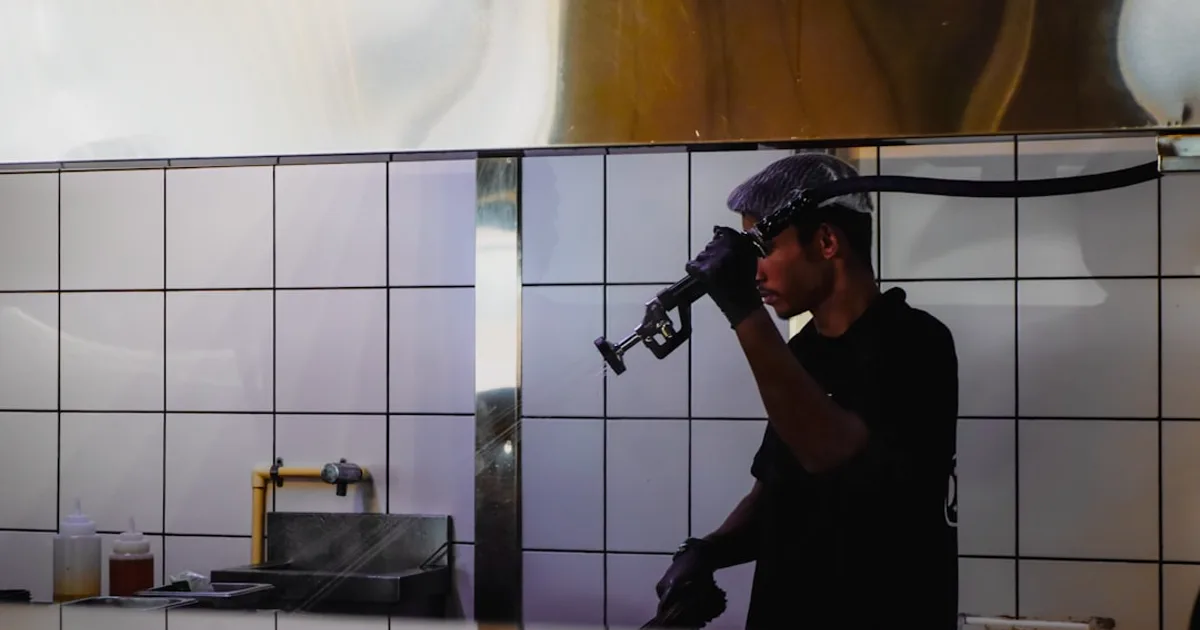
Commercial Kitchen Cleaning Standards: What Restaurants Are Actually Held To
A kitchen can look clean at the end of a shift and still fail an inspection, because cleanliness in food service is a documented standard rather than an impression. This guide walks through the three sets of rules a commercial kitchen answers to, what cleaning, sanitizing, and disinfecting each actually accomplish, how to build a task cadence you can defend to an inspector, and where an outside cleaning crew fits alongside your own staff.
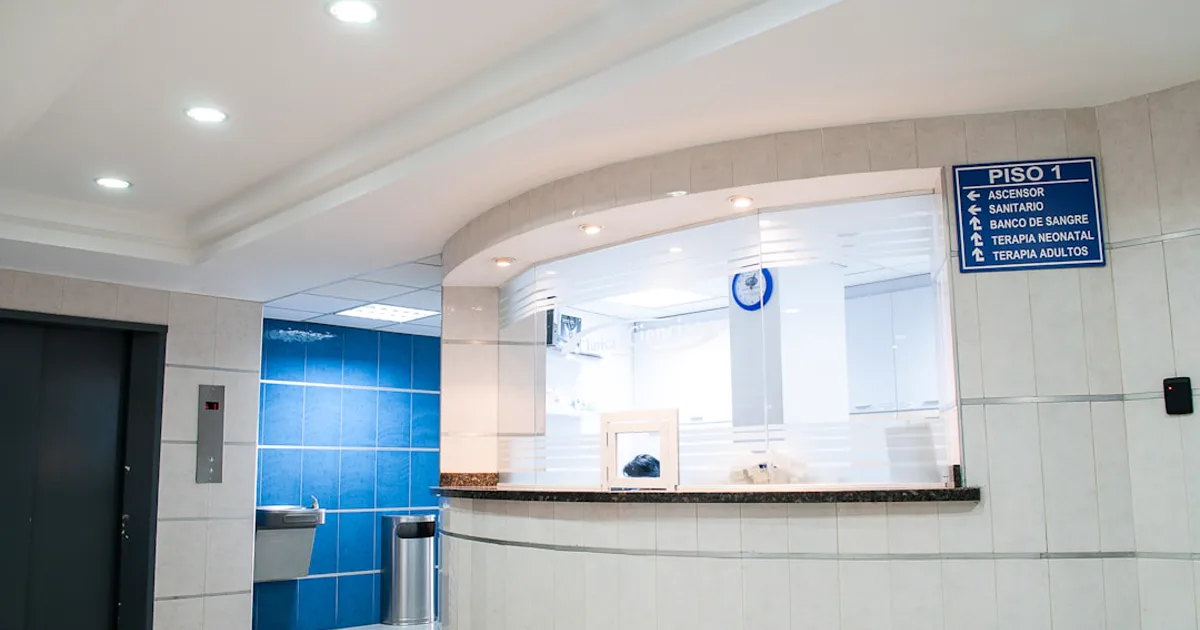
Medical & Dental Office Cleaning Standards: A Facility Manager's Guide
A medical or dental office looks like any other workplace to a cleaning crew, but the standard it is held to is not the same. Here is how CDC surface tiers, EPA-registered disinfectants, and OSHA's rules shape what proper cleaning looks like, and how to hold a commercial partner to it.
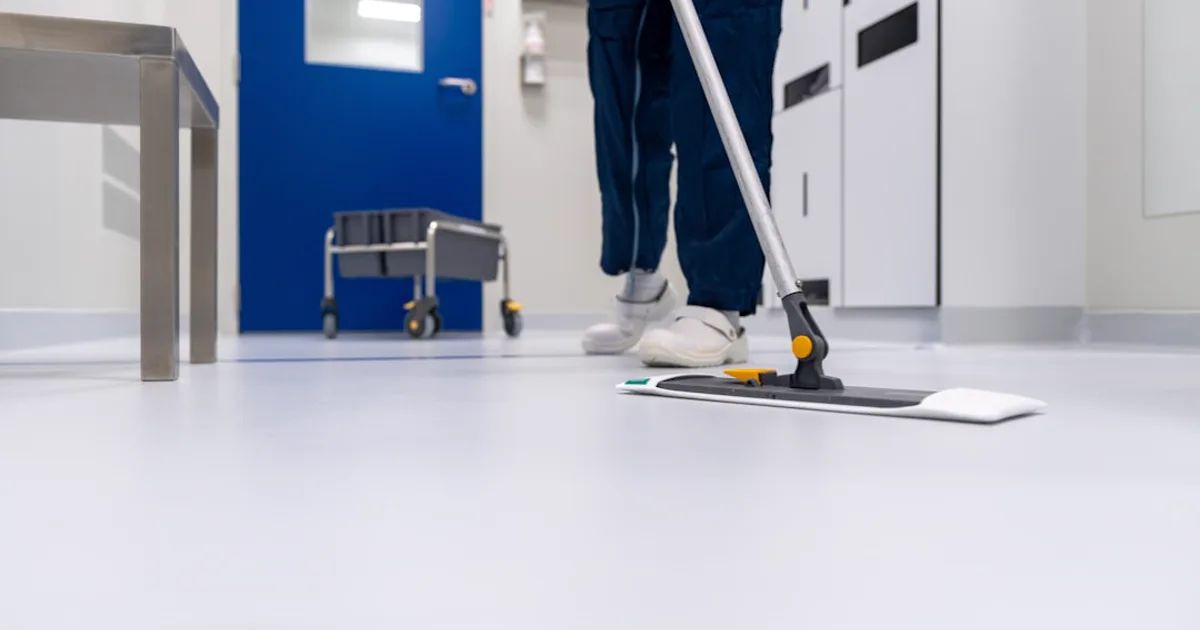
Green Commercial Cleaning, Explained: What It Means and How to Vet a Provider
"Green cleaning" appears on nearly every janitorial proposal, but the term is unregulated and often means very little. Here's what green commercial cleaning actually involves, which certifications carry real weight, how to spot greenwashing, and the questions that separate a substantiated program from marketing language.