Office Break Room Cleaning Schedule: Daily and Weekly Standards
Break rooms mix food, shared appliances and every employee in the building. Here is a daily and weekly cleaning standard, with a clear split between staff and crew.
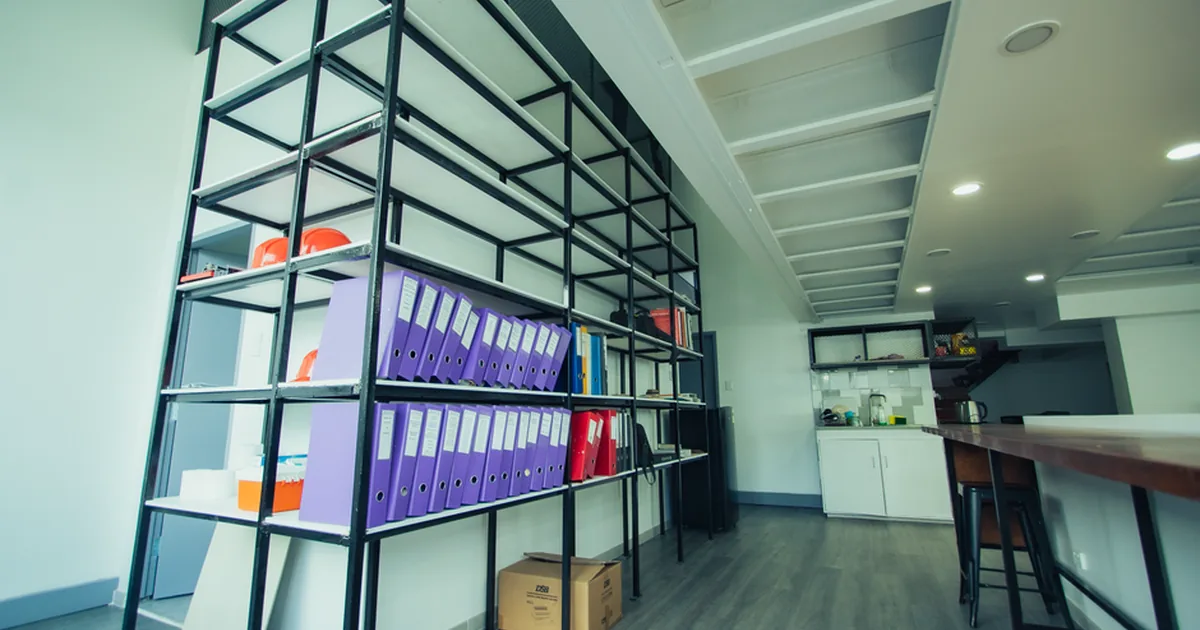
The break room is the one space in an office where food, shared appliances and every employee meet. It is also where facility managers hear complaints first: a sticky counter, a refrigerator nobody owns, a microwave that tells the whole floor what someone had for lunch. A written office break room cleaning schedule settles most of that before it starts. Below you'll find a daily and weekly standard, a short note on cleaning products, and a clear split between what staff do and what the cleaning crew does.
Why the break room gets its own standard
Most of an office is dry, quiet space. The break room isn't. It's wet, warm and busy, with food residue, shared handles and a sink that sees constant use. That mix is why it deserves its own line in your cleaning scope instead of a general "common areas" note.
Shared surfaces, shared exposure
The CDC's guidance for community buildings, offices included, says high-touch surfaces are the most likely to spread germs. It lists counters, door handles, touchpads and desks as examples and says to clean them regularly. It also notes that high-traffic areas may need cleaning more often. A break room that serves a whole floor at noon fits that description.
What the standard covers
A useful break room standard covers six areas: tables and counters, the sink, high-touch points, appliances, the trash and recycling, and the floor. For a wider view of how often each part of a building needs attention, see our guide on how often each part of a facility needs attention.
One honest note before the checklists: public health sources tell you to clean high-touch surfaces regularly, but they do not publish a fixed daily or weekly timetable for office kitchens. The schedule below is a practical standard built from that guidance. Adjust it for your headcount, your shift pattern and how much food actually gets prepared in the space.
Daily standards
Daily work is about the things people touch and the things that spoil. It should be finished before the next working day starts, so employees walk into a room that is ready to use.
Tables, counters and the sink
- Clear and wipe every table and counter with a cleaner suited to the surface.
- Clean the sink basin, faucet handles and drain area, and remove food debris from the strainer.
- Wipe the front of the dishwasher, if the room has one, and empty its filter basket.
- Check that soap and paper towels are stocked.
High-touch points
Nobody thinks of these spots as dirty, so they get missed. Clean them every day:
- Door handles and push plates into the room
- Refrigerator, freezer and microwave handles
- Coffee machine buttons and water dispenser levers
- Light switches and any touchpad or vending keypad
Trash, recycling and floors
- Empty all trash and recycling, and replace the liners.
- Wipe the inside rim and outside of each bin where spills collect.
- Sweep or vacuum, then damp mop hard floors, paying attention to the area in front of the refrigerator and sink.
Weekly standards
Weekly work covers the places that do not need attention every night but turn into a problem if they are ignored for a month.
The refrigerator
The shared refrigerator is the hardest item to keep up, mostly because the contents belong to many people. A workable routine is to announce a clear-out day, have staff remove their own food, and let the crew clean once the shelves are empty. For the cleaning itself, the CDC's refrigerator cleaning steps are a sound method, even though they were written for food recalls:
- Move the food out and keep it out of the refrigerator for no more than two hours.
- Take out removable shelves and drawers and wash them by hand in hot, soapy water. Let cold glass reach room temperature first, because hot water can crack it.
- Wipe the interior with hot, soapy water, then wipe again with clean water to rinse. Include the inside of the doors and any drawers that do not come out, and dry everything.
- Sanitizing is optional. The CDC's method is one tablespoon of liquid bleach in one gallon of water, applied after the soap and water wash.
Microwave and small appliances
Wipe the microwave interior, the door seal and the turntable. Do the same for the toaster, the coffee maker exterior and the water dispenser drip tray. Follow each manufacturer's cleaning instructions, since some appliance parts and finishes do not tolerate certain products. If an appliance manual says to avoid a product, the manual wins.
Cabinets, baseboards and deeper floor work
- Wipe cabinet fronts and handles, and the area around the vending machine.
- Clean baseboards and the corners where a mop does not reach.
- Spot treat any floor stains and do a more thorough floor pass.
- Dust vents and high ledges so they do not shed onto clean counters.
Restroom work follows its own routine, which we cover in our piece on restroom cleaning standards.
Clean first, then sanitize where it matters
The order of work matters as much as the task list. The CDC explains that cleaning uses soap, water and scrubbing to remove germs, dirt and impurities, and that cleaning alone removes most germs in most situations. Sanitizing reduces germs to a level public health codes consider safe. Disinfecting uses chemicals to kill germs left after cleaning. Dirt can keep sanitizing and disinfecting products from working, so surfaces are cleaned first.
For a typical office, that points to a simple rule. Routine cleaning covers the break room day to day. The CDC says regular cleaning is usually enough for routine prevention, and disinfection is added where someone has obviously been ill or when risk is higher. If a product is used on a surface that touches food, read the label to confirm it is allowed for food contact surfaces, and keep the surface wet for the full contact time the label lists. Our guide to cleaning, sanitizing and disinfecting goes into the differences in more detail.
Chemical safety and staff training
Whoever cleans the break room, whether an in-house employee or an outside crew, works with chemicals. The CDC's facility guidance is direct on a few points:
- Never mix cleaning or disinfecting products, because the combination can be hazardous.
- Increase ventilation before disinfecting by opening doors and windows or adjusting the HVAC settings.
- Wear gloves, goggles or other protection as the product's Safety Data Sheet recommends, and wash hands with soap and water for 20 seconds afterward.
The same guidance says employers should set policies and train workers before assigning cleaning tasks, covering protective equipment, hazard labels, ventilation and access to Safety Data Sheets. It also reminds employers to follow OSHA's hazard communication and protective equipment requirements. If you are comparing providers, ask how they train their people on these points.
Who does what
Most break room problems come from unclear ownership, not lack of effort. A clean split looks like this.
Employees
- Wash their own dishes and wipe up their own spills.
- Take their food out of the refrigerator on the announced clear-out day.
- Report a broken appliance or an empty dispenser to the facility manager.
The cleaning crew
- Surfaces, high-touch points, trash, recycling and floors on the daily pass.
- Refrigerator interior, appliances, cabinets and baseboards on the weekly pass.
If your contract does not spell out these tasks, ask for them to be added. Our overview of what commercial cleaning services include shows how scope is usually written.
Putting the schedule in writing
A schedule only works when everyone can see it. Post a one-page version in the break room that lists the daily tasks, the weekly tasks and the refrigerator clear-out day. Share the same page with your cleaning provider so the scope and the posted expectations match. Review it after a month. If the room still struggles on a certain day, that's usually a traffic pattern, and the schedule can shift to match it.
If you manage an office in the Twin Cities North Metro and want the break room written into your cleaning scope, see our commercial cleaning service areas or request an estimate for your facility.
Frequently Asked Questions
How often should an office break room be cleaned?
High-touch surfaces and food areas are cleaned on every working day, and the refrigerator, appliances, cabinets and floors get a fuller pass each week. CDC guidance says to clean high-touch surfaces regularly and gives no fixed schedule, so the daily and weekly split here is a practical standard to adjust for your traffic.
Do break room surfaces need disinfecting every day?
For most routine prevention, CDC guidance says regular cleaning is enough. Disinfection is added where someone has obviously been ill or when risk is higher.
Who should clean the office refrigerator?
Staff clear out their own food on a set day, and the cleaning crew handles the shelves, drawers and interior on the weekly pass.
Can I use bleach on break room appliances?
Only if the label and the appliance maker allow it. Read the product label for the surface, never mix products, and follow the manufacturer's cleaning instructions.
This article is for general informational purposes only. Cleaning scope, frequency, and pricing vary by facility size, type, and condition. Service availability depends on your location within Neat & Clean Co's service area. Contact us for a quote specific to your facility.
Related articles
Conference Room Cleaning Schedule: Follow Bookings, Not the Calendar
A fixed weekday slot cleans empty rooms and misses busy ones. Here is how to tie a conference room cleaning schedule to your booking system instead.
Medical Office Cleaning Documentation: Logs and Sign-Off Explained
A cleaning log turns a schedule into a record. See what CDC guidance says a log should capture, who signs off, and how audits keep a medical office on track.
Office Break Room Cleaning Checklist for Facility Managers
The break room is the only room in a commercial building where people prepare food, eat it, and leave it behind — and it is usually the room your cleaning scope describes in a single vague line. This checklist breaks the work down zone by zone, separates the tasks OSHA actually requires from the ones that are quality decisions, and shows facility managers how to assign every line between the janitorial contract and building staff.