How Long Does Post-Construction Cleaning Take? Realistic Timelines
The post-construction clean sits directly between substantial completion and move-in, which means an underestimated clean becomes a delayed occupancy date. A small tenant buildout can be finished in a day; a large, heavily finished project needs a week or more. This guide gives working ranges by project type, breaks down the rough, final, and touch-up phases, explains why compliant dust removal takes longer than sweeping, and shows how to schedule the whole sequence backward from your occupancy date.
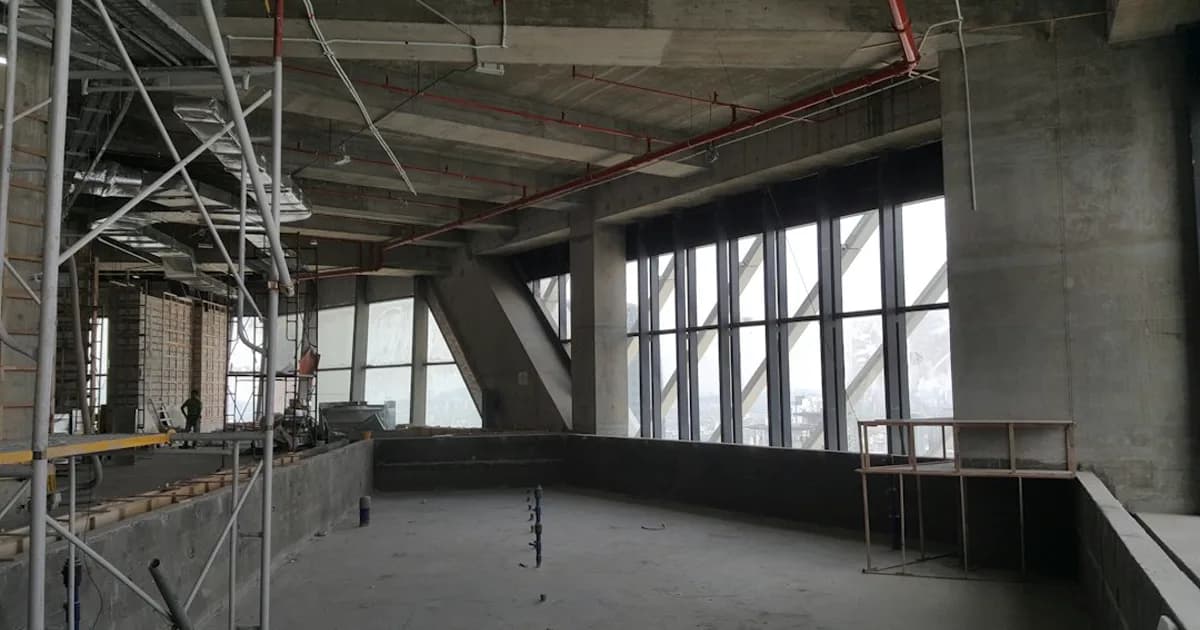
The punch list is closed. The certificate of occupancy inspection is on the calendar. And someone finally asks the question that should have come up six weeks earlier: how long does post-construction cleaning take? It's an awkward moment, because the clean sits in the narrowest part of the schedule — between substantial completion and the day people move in. Underestimate it and the clean doesn't just run late. The occupancy date moves.
There's no single number. A small tenant suite can be turned over in a day; a large, heavily finished project takes a week or more, and that's before duct cleaning and air-quality steps are counted. What follows is what actually moves the figure, so you can put a defensible number on the schedule instead of a hopeful one.
The Short Answer: Typical Post-Construction Cleaning Timelines
These are working ranges for the final clean only — the detail pass after the trades are out. They assume a reasonably clean handoff and standard commercial finishes:
- Small tenant buildout or single suite (under 5,000 sq ft): one to two working days, typically three to five technicians.
- Mid-size office or retail (5,000-20,000 sq ft): two to four working days.
- Large office floor, school wing, or clinic (20,000-50,000 sq ft): four to seven working days.
- Warehouse or industrial shell: often faster per square foot than an office of the same size — far less detail work per 1,000 square feet.
- Multifamily: scheduled per unit plus common areas, so the timeline tracks unit count more than total footprint.
One distinction matters more than any of those numbers: they describe the final clean. The full sequence runs rough, final, then touch-up, on different dates around the trades — so it always spans more calendar time than the final-clean figure suggests on its own.
It helps to know how the work gets estimated. Post-construction cleaning is priced in crew-hours, not calendar days. A 40-hour job can run as two technicians over two and a half days, or five technicians in one overnight shift. Night and weekend scheduling is standard here — federal labor data notes that schedules commonly include evenings, nights, and weekends because buildings are cleaned while empty. What crew size can't compress is dry time: sealers, floor finishes, and wax have fixed waiting periods.
The Three Phases — And How Long Each One Takes
Rough clean, during construction
This one happens after framing and drywall, while trades are still working: bulk debris haul-out, gross dust knockdown, sweeping, and vacuuming — enough to keep the site workable and let inspections happen. Budget a half day to two days depending on debris volume. On longer projects it often recurs weekly.
Final clean, after the trades are out
The detail pass, and the longest of the three: every surface, inside cabinets and closets, light fixtures, vents and registers, window interiors and tracks, glass, and floors. When someone quotes you a post-construction cleaning timeline, this is almost always the phase they mean.
Touch-up clean, after punch-list repairs
Punch-list work creates new mess — paint touch-ups, trim adjustments, fixture swaps. The touch-up clean handles only the areas that were disturbed, usually in a half day to a day. It has to follow the walkthrough, a date that frequently doesn't exist yet when the clean is first budgeted.
That's the scheduling trap worth naming. Contractors who budget only for the final clean discover the rough clean was needed weeks earlier, and the touch-up clean depends on a walkthrough nobody has booked. For the cost side, we break out the three post-construction cleaning phases and what each one costs separately.
What Actually Drives Your Timeline
These are the variables an estimator asks about on a walkthrough. Use them to pressure-test your schedule before anyone bids it.
Debris volume at handoff
The biggest lever you control, and it's set long before the cleaning crew arrives. OSHA's construction housekeeping standard requires that scrap lumber, protruding nails, and all other debris be kept cleared from work areas, passageways, and stairs throughout the project, with combustible scrap removed at regular intervals. A site that met that obligation hands over a manageable space. A site that deferred everything hands over a week of work.
Finish density, not square footage alone
Detail count per 1,000 square feet drives hours more than total area does. Glass partitions, millwork, exposed ceilings and ductwork, textured surfaces, stone, and polished concrete each add passes. A glass-walled executive floor can take longer than an open warehouse twice its size.
Trade overlap
If flooring, paint, or electrical is still active, your crew is cleaning surfaces about to get dirty again — the most common cause of added hours and an unplanned return visit.
Occupied versus vacant space
A renovation inside an occupied building requires containment, zone-by-zone staging, and off-hours shifts. Labor hours may match a vacant shell, but the calendar duration is meaningfully longer.
Crew size and shift availability
Because the work is hour-based, crew size is the main dial for compressing calendar time. We explain the underlying arithmetic in our guide to how janitorial staffing ratios are calculated per square foot.
Floor type and dry time
Sealing, waxing, or burnishing introduces fixed waiting periods between coats and before traffic. No crew size buys those hours back, so they belong on the schedule as their own line.
Why a Compliant Dust Removal Takes Longer Than Sweeping
Here's the part most schedules miss. Construction dust can't simply be swept and blown out, and the reason is regulatory.
Cutting, grinding, and drilling concrete, masonry, and drywall generates respirable crystalline silica dust. OSHA's construction silica standard restricts how that residue may be cleaned up: dry brushing and dry sweeping are not permitted where they contribute to silica exposure unless wet sweeping and HEPA-filtered vacuuming are not feasible, and compressed air may not be used on surfaces or clothing unless paired with ventilation that captures the dust cloud. Slurry from wet dust-suppression methods has to be cleaned up before it dries — an additional step, not a shortcut. Collected dust and spent filters should be handled to minimize exposure, including disposal in sealed containers. The written exposure control plan must describe the housekeeping methods and list the acceptable cleaning methods.
The consequence is simple arithmetic. HEPA vacuuming and wet methods are slower per square foot than dry sweeping, and an honest estimate has that slowness built in. A bid that comes in dramatically short on hours may be pricing a method it shouldn't be using. Asking to see the written exposure control plan before mobilization tells you how the hours were calculated.
Ducts, Filters, and Flush-Out: The Calendar Items Nobody Budgets For
These run on their own clock, after the surface clean, and they're the days most often missing from a post-construction schedule.
EPA guidance recommends that ducts be cleaned and all air filters replaced after construction and before occupancy, and that the HVAC system not run during dust-generating work so dust isn't drawn into the system. If duct openings were left unsealed during the build, duct cleaning becomes a specialist scope that commonly adds days.
EPA also recommends considering a building flush-out at the end of the construction process and before occupancy, plus ventilating active work areas at roughly five air changes per hour. The sequencing point is easy to miss: the flush-out follows the dust-generating cleaning rather than overlapping it, and each consumes calendar days. For the mechanics, see our walkthrough of construction dust removal across HVAC, ducts, and surfaces.
Frequently Asked Questions
How long does post-construction cleaning take for a 5,000-square-foot office buildout?
With hard-surface and carpeted floors, standard drywall finishes, and a reasonably clean handoff, expect one to two working days for the final clean, typically with three to five technicians. Add a half day for extensive glass, exposed ductwork, or polished concrete needing a separate pass. The rough clean and the touch-up clean are separate visits on their own dates, so the full sequence spans more calendar time than the final-clean figure alone suggests.
Can post-construction cleaning be finished overnight?
Sometimes, and it's one of the most common requests general contractors make. Because the work is priced in crew-hours, a 40-hour job can run as one overnight shift with five technicians instead of two technicians across two and a half days. What an overnight shift can't compress is dry time — sealed floors, waxed VCT, and cleaned ducts all have waiting periods that added labor doesn't shorten.
Why does the cleaning contractor need access before the certificate of occupancy inspection?
Inspections generally expect a space free of construction debris and safe to walk, and a dusty space will also fail the owner's walkthrough. Cleaning before the inspection rather than after is what keeps a failed walkthrough from pushing your occupancy date. The crew also needs the trades finished and the space actually released — if painters, flooring installers, or electricians are still working, you're paying to clean surfaces that will be dirty again.
Does an occupied building take longer to clean after construction than an empty one?
Generally, yes. Work in an occupied building has to be sequenced around the people using it, which means after-hours shifts, smaller work zones, and containment to keep dust out of adjacent space. Federal workplace guidance treats construction dust in occupied commercial buildings as a recognized indoor air quality concern, and the containment that addresses it adds time a vacant shell doesn't need — even when the labor hours are similar.
Your Post-Construction Cleaning Schedule, Working Backward From Occupancy
Build the sequence in reverse. Fix the occupancy date first. Then place the touch-up clean after the punch-list walkthrough, the walkthrough after the final clean, and the final clean after the last trade is genuinely released — not scheduled to finish, actually released. Slot duct cleaning, filter replacement, and any flush-out before occupancy, and add buffer for floor dry times rather than hoping they absorb into the weekend. Our guide to the final walkthrough and punch-list sign-off covers what that handoff should look like.
The final clean itself is usually days rather than weeks, but the full sequence needs real room on the schedule. And the biggest lever you control isn't crew size at the end — it's how clean the site was kept throughout the build. Neat & Clean Co handles post-construction cleaning across the Minneapolis North Metro, and you can request an estimate for a timeline specific to your project.
This article is for general informational purposes only. Cleaning scope, frequency, and pricing vary by facility size, type, and condition. Service availability depends on your location within Neat & Clean Co's service area. Contact us for a quote specific to your facility.
Related articles
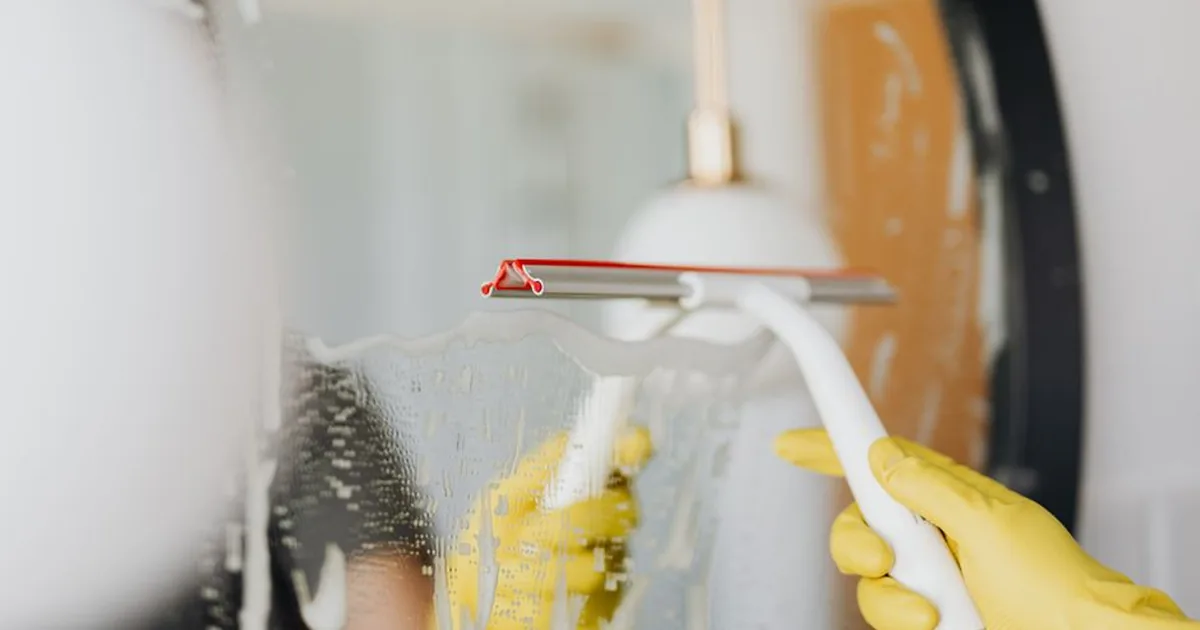
Post-Construction Cleaning Order of Work: Top-Down, Inside-Out
Clean ceilings before floors and the far end of the building before the exit. Here is the order of work for a post-construction clean, and where the trades fit.
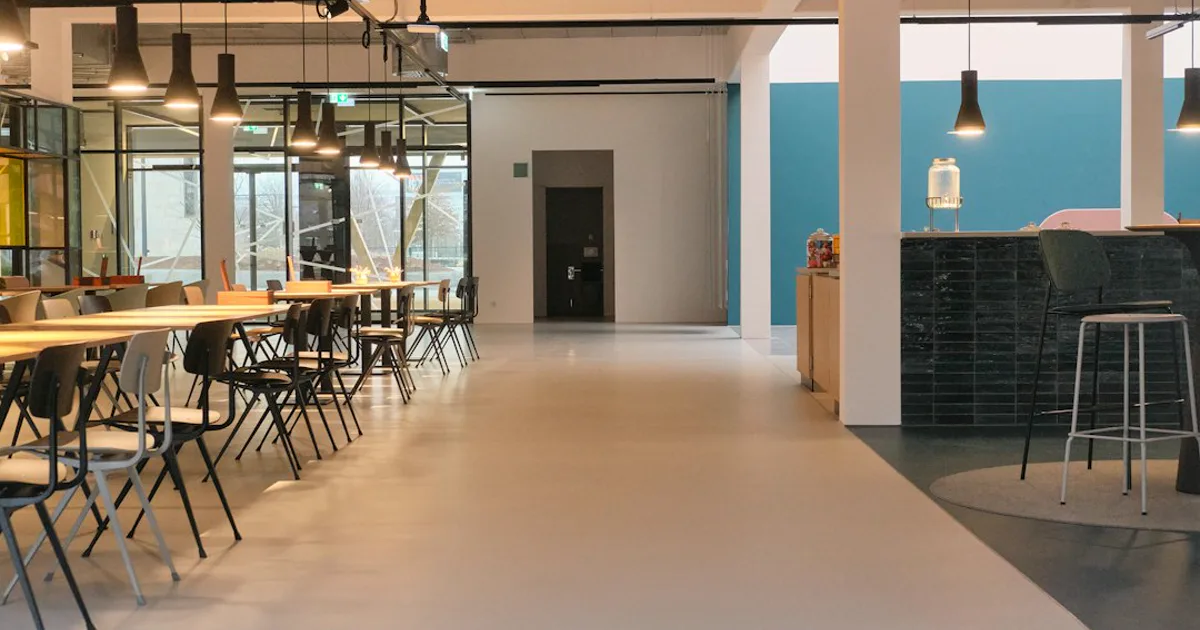
Post-Renovation Office Cleaning: Reopening a Workspace Safely
A renovation can pass its punch list and still leave an office that is not ready for people. Fine drywall dust settles everywhere a broom cannot reach, new materials keep off-gassing for days, and an HVAC system that ran during demolition will redistribute dust for weeks. This guide walks facility managers through what post-renovation office cleaning actually covers, where construction dust hides, how to handle filters and ventilation, which cleaning methods are allowed, and a phased sequence for getting employees back in.
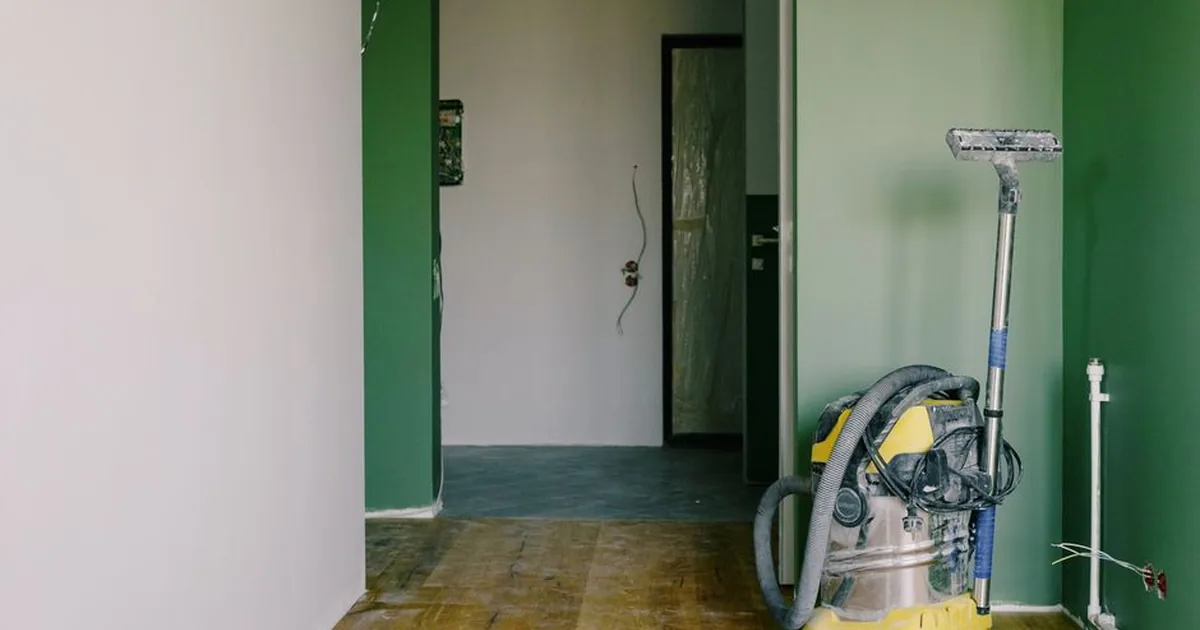
HEPA Vacuums in Post-Construction Cleaning: Why Fine Dust Needs Them
Fine dust is what remains once the debris is gone. Here is what OSHA, NIOSH and EPA say about HEPA vacuums, dry sweeping and cleaning order, plus questions to ask before move-in.