Post-Construction Cleaning Walkthrough: Punch List and Sign-Off
The final cleaning walkthrough is where a building changes hands. Here is who should attend, what to inspect, how to write the punch list, and what the sign-off should say.

Why the final walkthrough decides the hand-off
A cleaning job on a new or renovated space is only finished when the person accepting the space agrees it is. That agreement happens at the post construction cleaning walkthrough: one scheduled walk through the building, with the right people, a record of what is found, and a signature at the end. Done loosely, it becomes a hallway chat and, two weeks later, a dispute over what was clean on the day. Done with a route, photos, and a written list, it gives contractors, owner's reps, and facility managers the same picture of the building.
This guide covers who should attend, what to inspect, how to write a cleaning punch list, and what a sign-off should say.
Before the walkthrough: set the conditions
A walkthrough only means something if the space is ready to be judged. Cleaning usually happens in stages, and our guide to the phases of post-construction cleaning explains how rough, final, and touch-up cleaning fit together. The final walkthrough belongs after the final clean, and a few things need to be true first.
- The trades are finished and out of the area. Any trade that comes back after the clean can undo it.
- Touch-up paint and punch work on the construction side are done, or clearly marked as still open.
- Lights, power, and water are on, so people can see what they are inspecting and test what they are looking at.
- The cleaning crew lead is available to attend.
Who should be in the room
Three people cover most walkthroughs: the person who will accept the space (an owner's representative, facility manager, or property manager), the general contractor's superintendent or project manager, and the lead from the cleaning crew. When the crew lead is there, findings are assigned on the spot instead of relayed through a chain of emails.
What to bring
Bring the written cleaning scope, a floor plan, a camera or phone, and a blank punch list form. The scope matters most. It settles any argument about what was supposed to be cleaned.
What to inspect, area by area
Pick a route and keep it the same every time: from the main entry through the building to the back of house, then the exterior. A fixed route means nothing gets skipped and every finding has a clear location. Our post-construction cleaning checklist lists the full scope; the points below are what a walkthrough should confirm.
Interior surfaces, floors, fixtures, and glass
- Floors are free of dust, adhesive residue, drywall dust in corners, and paint drips. Check along baseboards and under door thresholds.
- Windows, glass doors, and mirrors are clear, including the tracks and frames. Look at glass from an angle so streaks show.
- Stickers, labels, and protective films are removed from glass, fixtures, appliances, and hardware.
- Door frames, switch plates, ledges, and the tops of cabinets are wiped, not just the surfaces at eye level.
Restrooms and kitchenettes
- Toilets, sinks, drains, and stainless steel surfaces are clean and free of film or residue.
- Cabinet and drawer interiors are clear of debris, and exhaust fan covers are wiped.
Exterior and loading areas
- Entrances, walkways, and loading areas are free of packaging, leftover materials, and debris.
- Glass at the entry and the entry floor look right, since that is the first thing occupants see.
Dust, vents, and air handling
Construction dust is what most often turns up after sign-off. It settles slowly and hides where people don't look. For a closer look at the work involved, see our piece on construction dust in HVAC, ducts, and surfaces.
During the walk, hold a flashlight at a low angle across horizontal surfaces and run a white cloth along a ledge, a vent cover, and the top of a door frame. Dust that hides in overhead light shows up fast this way. Look at supply and return grilles, light fixtures, and window sills.
Air handling also affects how clean the building stays. The EPA notes that construction debris and dust should be cleaned up at least daily to limit their spread, that supply and return grilles should be covered when the HVAC system also serves occupied areas, and that heating or cooling equipment should not run while work is putting visible dust in the air. For finishes, EPA guidance on remodeling recommends maximum ventilation during installation and for at least 72 hours afterward, because paints, finishes, and flooring can release pollutants.
Two practical points follow for the walkthrough. First, confirm with the general contractor that any covers over registers have been removed, and that filter changes are handled on the construction side. Those are not cleaning tasks, and they belong on the right person's list. Second, if finishes were installed recently, ask when the space was last ventilated before occupants arrive.
Writing the punch list
A punch list is only useful if every line can be acted on without a follow-up call. Each entry should carry the same fields.
- Location: room name or number, and the spot within it.
- Issue: what is wrong, in plain words, such as "paint splatter on window glass, north wall."
- Photo: one photo that shows the issue and its surroundings.
- Owner: who is responsible for fixing it.
- Due date and status: open, in progress, or closed.
Keep it separate from the construction punch list
The construction punch list tracks unfinished or defective trade work. The cleaning punch list tracks cleanliness only: residue, dust, streaks, stickers, and debris. Keeping them apart stops cleaning items from getting buried under repair items, and it stops trade damage from being blamed on the cleaners.
Sort each finding before you assign it
Not every finding is a cleaning item. Sort each one into one of three groups.
- Re-clean: something the cleaning scope covered and that was missed or left behind.
- Touch-up: a small item that needs a quick return visit, such as a surface that was inaccessible during the clean.
- Trade issue: scratched glass, scuffed paint, or damaged finishes. These go to the responsible trade, not the cleaning crew.
Re-inspection and sign-off
After the crew works through its items, re-walk only the open lines. Close each one with a second photo so the list shows before and after. Skip the full route unless the findings were widespread.
The sign-off form should be short and specific. It should include:
- The date and the building or suite covered.
- The areas accepted as clean.
- Any open items, each with an owner and a due date.
- Names and signatures from both the person accepting the space and the cleaning lead.
A sign-off records the condition of the space on that day. Dust from later work, damage from move-in, or trades returning for touch-ups are new conditions, and the form should say so. Questions about final payment or warranty start dates belong to the construction contract, so check those terms with the people who wrote them.
The Bottom Line: a walkthrough you can stand behind
A good final walkthrough has the right people present, a fixed route, photos for every finding, a cleaning list kept apart from the construction list, and a signed record at the end. The contractor gets a clean close-out, and the facility team gets a space they can accept with confidence.
Neat & Clean Co provides commercial cleaning for the Twin Cities North Metro. If you are planning the final clean for an upcoming project, see our page for post-construction cleaning in the Twin Cities North Metro or request an estimate.
Frequently Asked Questions
Who should attend the final cleaning walkthrough?
The person who accepts the space (an owner's representative, facility manager, or property manager), the general contractor's superintendent, and the cleaning crew lead. Having the crew lead present means findings are assigned on the spot instead of relayed later.
How is a cleaning punch list different from the construction punch list?
The construction punch list tracks unfinished or defective trade work. The cleaning punch list tracks only cleanliness items: residue, dust, streaks, stickers, and debris. Keeping them separate stops cleaning items from being buried under repair items, and keeps trade damage from being blamed on the cleaners.
What if new dust shows up after sign-off?
Dust that settles from air handling, or from trades returning for touch-ups, is a new condition. Put the sign-off date and any open trade work in writing so everyone knows what was clean at hand-off.
How long should a final walkthrough take?
It depends on the building. Plan the walk around the layout and the number of rooms, and book enough time to photograph and record each finding rather than rushing through it.
This article is for general informational purposes only. Cleaning scope, frequency, and pricing vary by facility size, type, and condition. Service availability depends on your location within Neat & Clean Co's service area. Contact us for a quote specific to your facility.
Related articles
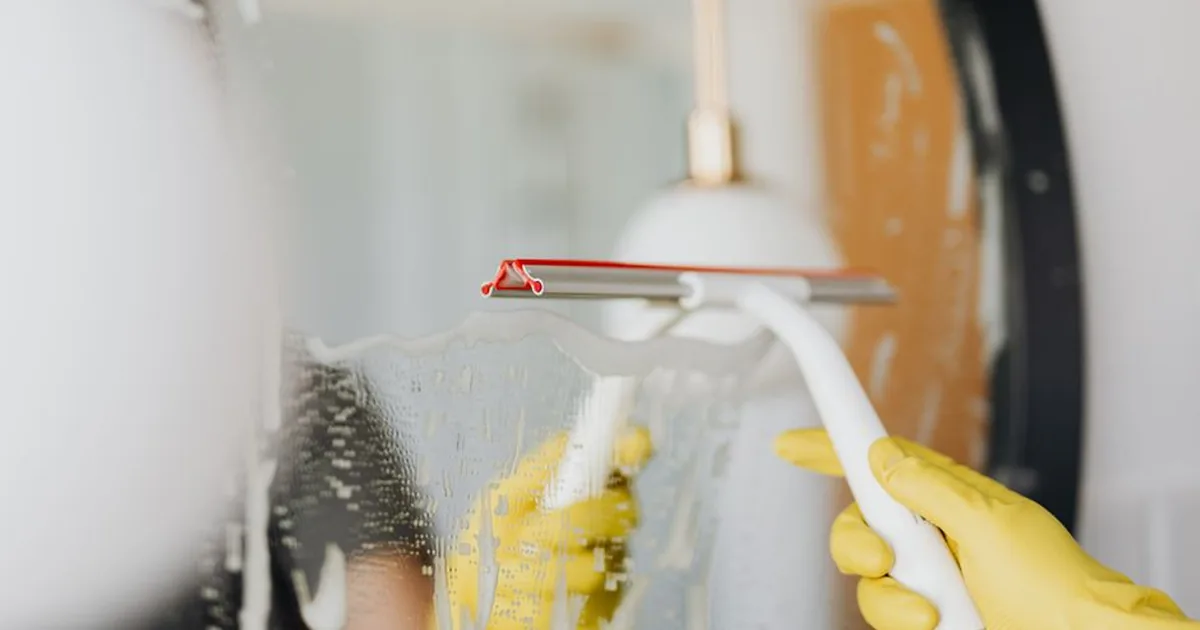
Post-Construction Cleaning Order of Work: Top-Down, Inside-Out
Clean ceilings before floors and the far end of the building before the exit. Here is the order of work for a post-construction clean, and where the trades fit.
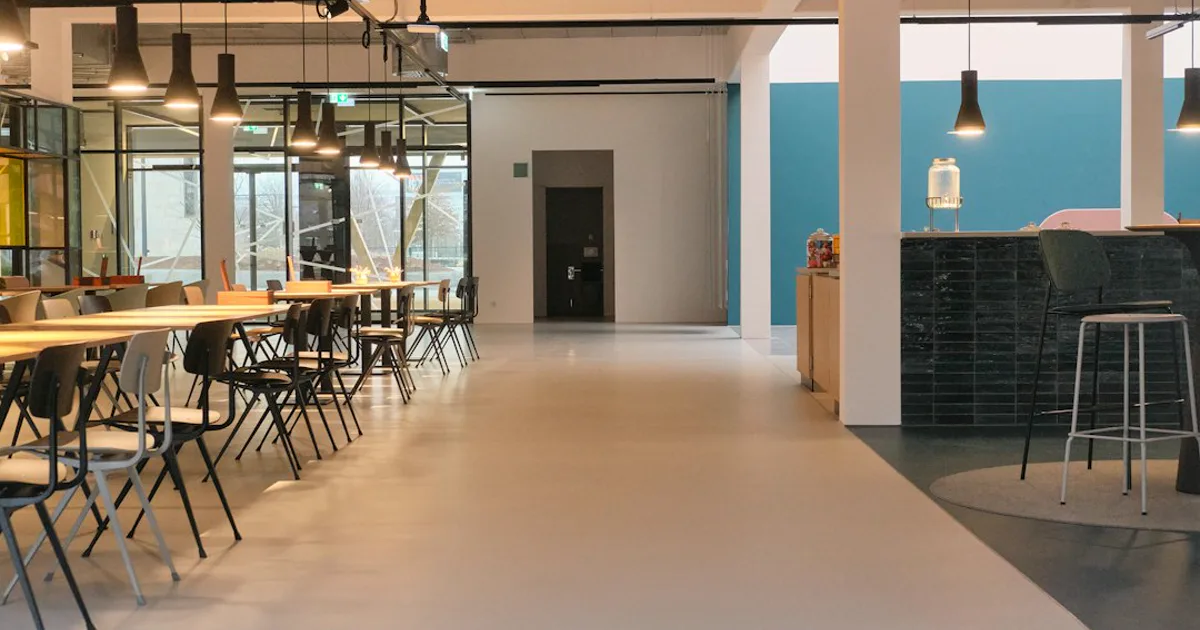
Post-Renovation Office Cleaning: Reopening a Workspace Safely
A renovation can pass its punch list and still leave an office that is not ready for people. Fine drywall dust settles everywhere a broom cannot reach, new materials keep off-gassing for days, and an HVAC system that ran during demolition will redistribute dust for weeks. This guide walks facility managers through what post-renovation office cleaning actually covers, where construction dust hides, how to handle filters and ventilation, which cleaning methods are allowed, and a phased sequence for getting employees back in.
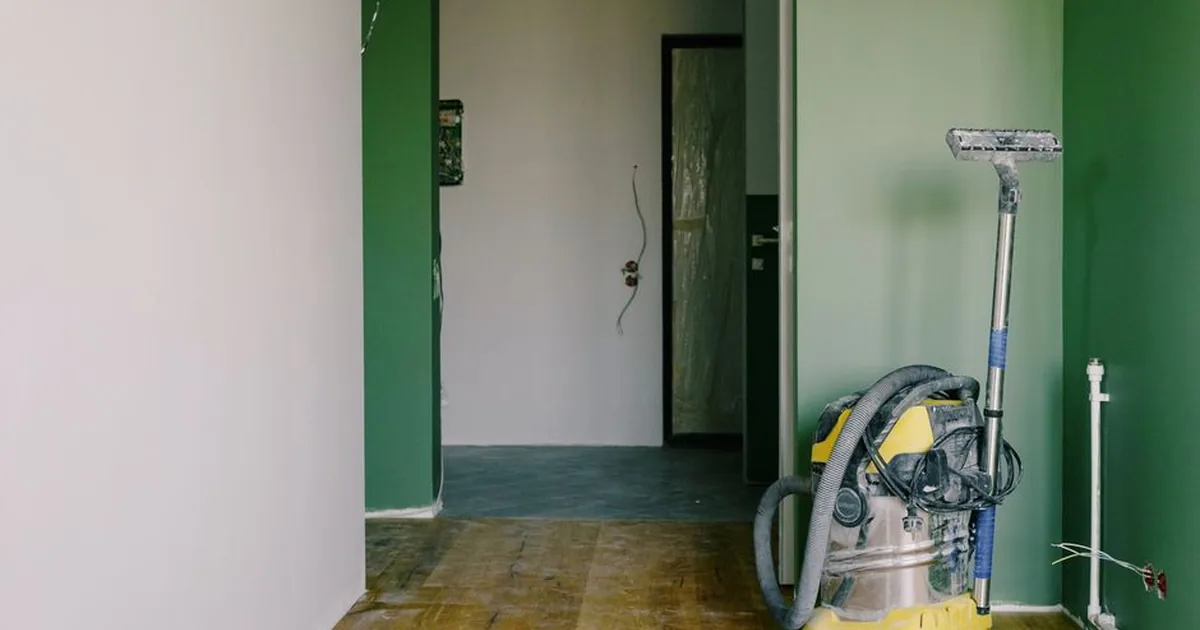
HEPA Vacuums in Post-Construction Cleaning: Why Fine Dust Needs Them
Fine dust is what remains once the debris is gone. Here is what OSHA, NIOSH and EPA say about HEPA vacuums, dry sweeping and cleaning order, plus questions to ask before move-in.