How to Choose a Commercial Cleaning Company in Maplewood, MN
Maplewood buildings range from corporate offices to medical suites, retail and senior living. Here is how to choose a commercial cleaning company that fits yours.
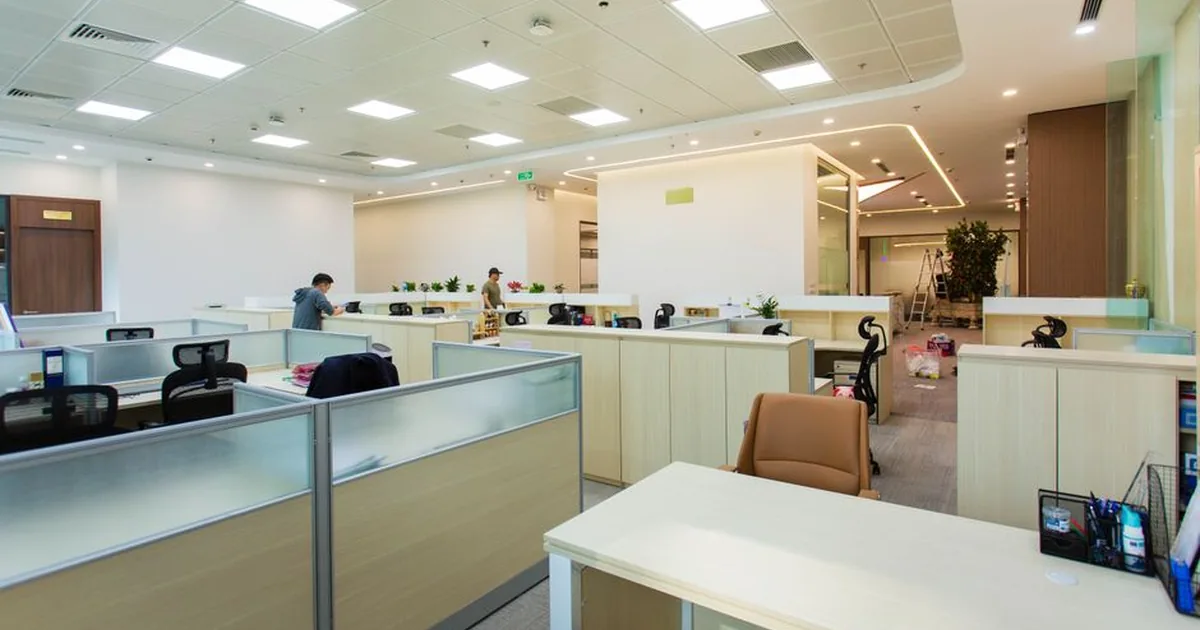
Choosing a Cleaning Company When Every Maplewood Building Is Different
Maplewood is a growing Ramsey County city on the eastern edge of the Twin Cities, and its buildings do not look alike. Corporate campuses sit near medical offices, retail centers and a growing number of senior and assisted living facilities. A cleaning plan that works for one of those will miss the mark for another.
That is why the question of how to choose a commercial cleaning company in Maplewood has no single checklist answer. The better approach is to describe your own building first, then test each company against that description. This guide walks through the order we would use: your building, the written scope, the crew, chemical training, disinfection claims, the walkthrough, and the bids.
Start With the Building You Actually Have
Before you call anyone, write down what the space is used for and who walks through it. A corporate office has conference rooms, lobbies and shared break rooms. A medical office has exam areas and waiting rooms where high-touch surfaces matter more. A retail tenant has entries and floors that take constant traffic. A senior living community has resident rooms, dining and activity spaces, and needs cleaning scheduled around quiet hours.
Keep it in plain terms. It becomes the brief every company quotes against. If you want to see how a local provider describes its work in your city, our page on commercial cleaning in Maplewood lists the building types and services we cover there.
Match the service type to the space
Recurring janitorial service, a one-time project and post-construction cleaning are different jobs. Janitorial work covers restroom sanitation and restocking, floor care and entry mats, break room and kitchen cleaning, and trash removal with liner changes. Post-construction work runs in rough, final and touch-up phases. Say which one you need so no one quotes the wrong job.
Get the Scope in Writing, Area by Area
The most useful document you can ask for is a written scope that lists tasks by area: offices, lobbies and conference rooms, restrooms, break rooms, floors, glass, trash and recycling. For a typical commercial cleaning visit, that can mean restrooms and break rooms sanitized, floors vacuumed and mopped, glass and mirrors wiped, high-touch points cleaned, and trash and recycling removed.
A written scope also protects you later. OSHA's bloodborne pathogens standard expects an employer to maintain the worksite in a clean and sanitary condition and follow an appropriate written schedule for cleaning, based on the location within the facility, the type of surface, the type of soil, and the tasks performed. That is a good model for any cleaning agreement. If a company cannot tell you what gets cleaned, where, and how often, you cannot hold anyone to it.
Questions that expose a vague scope
- Which tasks happen every visit, and which happen on a longer cycle?
- Who supplies restroom paper, soap and liners, and how is restocking handled?
- What is left out of the price, and what would it cost to add it?
- How are extra requests added, and how are they recorded?
Ask About Crews and Supervision
A scope on paper only matters if the same kind of crew carries it out each visit. Ask who is on site, whether the crew stays consistent, how new crew members are trained, and who checks the work. Checklist-driven crews with a supervisor who inspects are easier to hold accountable than a rotating group with no named contact.
Ask, too, how screening works for the people who will be in your building. For medical offices and senior living facilities this matters even more, since staff will be around residents and patient areas. We cover more of this in our list of questions to ask a commercial cleaning company, and our red flags guide covers the warning signs.
Who do you call when something is missed?
Every building has a bad week now and then, so plan for it. What separates companies is how a miss is handled. Ask for the name of the person who answers, and ask how a missed task gets recorded and corrected. Don't settle for a vague promise. Ask to see the process.
Ask How Crews Are Trained on Chemicals
Cleaning products are chemicals, and the people using them need to know what they are handling. OSHA's hazard communication standard says employers must provide employees with effective information and training on hazardous chemicals in their work area. It also requires that safety data sheets be kept and readily accessible to employees during each work shift.
You don't need to audit anyone's paperwork. A few direct questions tell you a lot. How are crews trained on the products they use? Are safety data sheets available on site? Are products labeled? A company that answers these quickly and specifically has usually thought about them before you asked.
Listen Closely to Disinfection Claims
Disinfection is where marketing language gets loose, so keep the basics in mind. The CDC explains that cleaning alone removes most types of harmful germs from surfaces, and that surfaces should be cleaned before they are sanitized or disinfected. It advises cleaning high-touch surfaces regularly, and gives door handles, stair rails, elevator buttons, desks and restroom fixtures as examples. It recommends disinfecting areas where people have obviously been ill.
The same CDC page says fogging, fumigation and electrostatic spraying are not recommended as primary methods of surface disinfection. So if a bid leans on a dramatic disinfecting method, ask what it replaces and whether the regular cleaning is still happening first. Be wary of any promise to eliminate germs completely. Our guide on cleaning, sanitizing and disinfecting sorts out which term means what.
Ask for a Walkthrough Before Any Quote
A quote built from a phone call is a guess. A walkthrough lets the company see your floors, restrooms, entries and break rooms, and ask about how the space is used. It also lets you see how they think. Do they ask about your busiest hours? About the areas that give you trouble? Do they take notes?
The walkthrough is also when the written scope gets built. You can read more about what a walkthrough and quote should cover before you schedule one.
Compare Bids on the Same Scope
Once you have bids, put them side by side against your written scope, task by task. Two bids that look far apart are often covering different work, different visit lengths or different supply arrangements. A low number that leaves out restroom restocking or floor care is not low at all once you add those back.
Ask each company to confirm in writing what the quote includes and excludes, how often each task happens, and how changes are handled. For a fuller method, see how to compare commercial cleaning bids. If you run a formal process, a request for proposal template keeps every bidder on the same page.
Your Maplewood Vetting Order
Here's the order we'd use. Describe your building and who uses it. Get a written, area-by-area scope. Ask about the crew and the supervisor. Ask about chemical training and safety data sheets. Question every disinfection claim. Insist on a walkthrough. Then compare bids on identical scope.
If you would like to see how that works for your property, you can request an estimate and we will start with a walkthrough. Our service areas page shows where we work across the North Metro.
Frequently Asked Questions
How many quotes should a Maplewood facility collect?
Collect enough to compare scope line by line. The count matters less than making sure each quote is written against the same area-by-area scope, so you are comparing like with like.
Should the scope differ for a medical office and a corporate office?
Yes. Medical offices, corporate offices, retail and senior living each have different high-touch areas, traffic patterns and schedules, and the written scope should reflect them.
Does the cleaning company bring its own supplies?
Ask. Put in writing who supplies what, including restroom paper, soap and trash liners, and how restocking is handled between visits.
What if the first month does not match the scope?
Go back to the written checklist, request a walkthrough, and ask the named contact to correct the missed tasks. A clear scope makes that conversation short.
This article is for general informational purposes only. Cleaning scope, frequency, and pricing vary by facility size, type, and condition. Service availability depends on your location within Neat & Clean Co's service area. Contact us for a quote specific to your facility.
Related articles

Conference Room Cleaning Schedule: Follow Bookings, Not the Calendar
A fixed weekday slot cleans empty rooms and misses busy ones. Here is how to tie a conference room cleaning schedule to your booking system instead.
Medical Office Cleaning Documentation: Logs and Sign-Off Explained
A cleaning log turns a schedule into a record. See what CDC guidance says a log should capture, who signs off, and how audits keep a medical office on track.
Office Break Room Cleaning Checklist for Facility Managers
The break room is the only room in a commercial building where people prepare food, eat it, and leave it behind — and it is usually the room your cleaning scope describes in a single vague line. This checklist breaks the work down zone by zone, separates the tasks OSHA actually requires from the ones that are quality decisions, and shows facility managers how to assign every line between the janitorial contract and building staff.