Office Cleaning for Hybrid Workplaces: How to Adjust Frequency
Most office cleaning contracts were written for a building that filled up every weekday. In a hybrid workplace, that schedule overpays for empty space while under-serving the zones that still take a beating. Here is how facility managers sort tasks that scale with headcount from tasks that do not, build a zone-by-zone frequency matrix using occupancy data they already have, rewrite the scope of work, and verify that standards actually held.
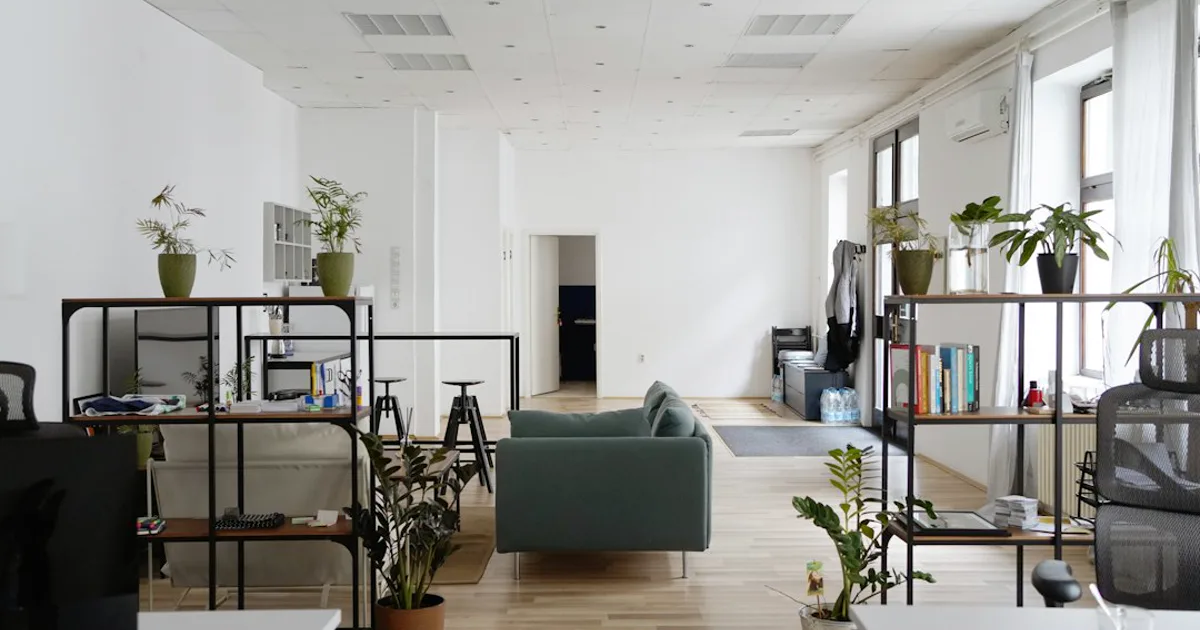
The office cleaning contract on your desk was written for a building that filled up every weekday morning. That building is gone. If your company runs a hybrid policy, you're probably paying for five nights of service in a facility that's genuinely busy on two or three of them — while the restrooms and the one conference room everybody fights over take the same beating they always did. Building a sensible hybrid office cleaning schedule is less an exercise in cutting than in sorting: which tasks scale with the number of people in the building, and which run on a clock that has nothing to do with headcount. Get that right and you can usually reduce spend without anyone noticing. Trim every zone by the same percentage instead, and the first complaint lands within two weeks.
What Actually Changes When Your Office Is Half Empty
Cleaning need is driven by contact, not by the calendar
Federal guidance is clearer on this than most facility managers realize. The CDC recommends cleaning high-touch surfaces regularly and cleaning other surfaces when they are visibly dirty, and it ties frequency to use rather than to the calendar: if a space is a high-traffic area, you may choose to clean more frequently or to disinfect in addition to cleaning. Nothing in that framing says "five nights a week." It says look at how heavily the space actually gets used.
Which matters, because the high-touch surfaces named there — desks, door handles, counters, touchpads, elevator buttons, stair rails, restroom fixtures — accumulate contact per person, not per day. Thirty people on a Tuesday and three on a Friday are not the same cleaning job. A schedule that treats them identically is wrong in both directions at once.
Routine cleaning is the baseline; disinfection is situational
CDC's stated position is that regular cleaning is enough in most situations, with disinfection held back for narrower circumstances — surfaces where someone has obviously been ill, for instance. Hybrid work doesn't change that baseline. It changes how often the baseline needs applying in each zone. Keep that straight when a provider offers blanket disinfection to make up for fewer visits.
The uneven-load problem nobody budgets for
Here's the part that surprises people: hybrid traffic isn't lower so much as lumpier. Most offices have settled into a mid-week peak, with Tuesday through Thursday carrying the bulk of attendance while Monday and Friday thin out. Total foot traffic may be down, but what's left concentrates into fewer days — so the wear on shared surfaces during a peak day can exceed anything the old five-day pattern produced. Before you move your own numbers, it helps to see how cleaning frequency by facility type normally gets set.
Which Tasks Scale With Occupancy — and Which Don't
Some work really does track headcount. Vacuuming and routine floor care in open workspace, dusting, workstation wipe-downs, interior glass and partitions, conference-room resets — fewer bodies means a measurably lighter soil load across all of it. That's where most of your savings live.
Restroom service is the clearest counterexample. Fixtures go high-touch the moment anyone uses them, and a lightly used restroom still needs daily attention for odor control, supply replenishment, and fixture condition. Trash and organic waste is the second: breakroom waste runs on a decomposition clock, and a bin half full of Thursday's lunch is a pest problem by Monday no matter who contributed to it. In Minnesota, entry matting and vestibule care belong here too. They're weather-driven, and a January slush event doesn't care that only six people came in.
Periodic work sits outside the occupancy question entirely. Floor finish, carpet extraction, high dusting, vent cleaning — all of it follows interval schedules tied to wear and appearance, and all of it should be priced separately from recurring service.
One counterintuitive note. Unoccupied space isn't static: dust settles on horizontal surfaces whether or not anyone sits at them, seldom-used restrooms can develop dry-trap odor, and an underused floor still telegraphs neglect to a visiting client or a prospective tenant. "Nobody's in there" is not the same as "it needs nothing."
Building the Frequency Matrix
Use the CDC's three risk factors as your sorting rule
Cleaning frequency, in the CDC's framing, comes down to contamination probability, occupant vulnerability, and exposure potential. Those translate into office terms without much effort. Contamination probability is a proxy for how many hands touch a surface. Occupant vulnerability covers whether you host visitors or have staff who've told HR they're immunocompromised. Exposure potential asks whether people touch the surface and then touch their face or their food. Sort every zone in the building against those three and the tiers fall out on their own.
A worked four-tier structure
Most hybrid offices land on something close to this. Every occupied day: restrooms, breakroom and kitchen, trash and recycling, entry and lobby, elevator buttons and main door hardware. Three times weekly, timed to peak days: open workspace vacuuming, conference rooms, shared touchpoints, reception. Once or twice weekly: private offices, low-traffic corridors, dusting, interior glass. Periodic: carpet extraction, hard-floor finish, high dusting, vents and light fixtures — our breakdown of realistic carpet cleaning intervals covers how those get set.
Put it in writing
Facilities are expected to keep a written schedule naming who's responsible, how often each task happens, and by what method. That isn't bureaucracy for its own sake. It's the document you hand a provider during pricing, and the one you hold them to when a zone starts slipping.
Using Occupancy Data to Pick the Right Days
Badge swipes are the obvious data source, but not the only one. Wi-Fi association counts, desk-booking records, conference-room reservations, even visitor logs will give you a weekday distribution. Pull eight to twelve weeks and chart it by day of week. One caution: averages hide the peak, and the peak is what you staff for. A building averaging 40 percent occupancy might be at 70 percent on Wednesday and 12 percent on Friday.
Once the pattern is visible, schedule service the night of or the morning after each peak day rather than defaulting to a Monday-Wednesday-Friday grid that may miss your busiest days entirely. The logistics are easier than people expect. The Bureau of Labor Statistics notes that janitorial schedules often include evenings, nights, or weekends because many buildings are cleaned when empty — so shifting which nights a crew comes is usually invisible to staff and cheap to arrange.
Then re-check quarterly. Policy changes, seasonal travel, and headcount growth all move the curve; a schedule set in January is stale by September.
The Zones That Resist a Frequency Cut
Hold the line on restrooms, even on low-occupancy days. They're the single most common source of complaints under a reduced schedule, and they're where a visitor forms an opinion about the whole facility — our guide to commercial restroom cleaning standards covers what a defensible task list looks like. Breakrooms come next. Per square foot, shared appliance handles, sink fixtures, microwave keypads, and food waste make that room the highest-contact cluster in most offices, and the zone where staff notice a slip fastest.
Two things are worth understanding before you let disinfection expand to fill the gap left by fewer visits. Surfaces have to be cleaned before any disinfectant goes on them, because soil interferes with the chemistry. And a disinfectant only does what its label says if you give it the time: the EPA is explicit that the surface should be visibly wet for the entire contact time, which may mean reapplying the product. The agency also warns that if a label doesn't include directions for a particular pathogen, it hasn't reviewed any data on whether the product is safe and effective used that way.
Translated into a budget: disinfection is real labor minutes per surface, not a free add-on to a visit you're already paying for. Scope it narrowly, to named surfaces and named situations, rather than accepting it as a blanket line item.
Rewriting the Scope of Work
A frequency change belongs in the written scope, with task-level frequencies per zone — not in a verbal agreement to "come less often." A vague amendment is how facilities end up with a lower bill and a slowly degrading building. If you're unsure what a tight document looks like, our walkthrough of a commercial cleaning scope of work is a reasonable benchmark.
On cost: commercial cleaning is primarily labor hours on site. BLS puts the 2025 median wage for janitors and building cleaners at $17.71 per hour across roughly 2.4 million jobs, about 35 percent of them at contracted building-services firms. That structure explains a practical point — removing whole visits reduces hours more reliably than compressing each visit, because every visit carries fixed travel and setup time no matter how long the crew stays. Don't assume a proportional discount, either. Ask your provider to reprice the revised scope rather than applying a percentage to the old number, and for context on where your current spend sits, see what offices pay per month.
One more factor belongs in the decision. BLS projects janitorial employment growing just 2 percent through 2035, with roughly 321,800 openings a year driven mostly by turnover. Staffing reliability, not price alone, should shape how aggressive a schedule you commit to — a provider stretched thin is the one that misses a Thursday. Last thing: write a 90-day review into the amendment, with the explicit right to restore frequency zone by zone. That one clause turns a frequency reduction into a low-risk experiment instead of a bet.
Verifying Standards Held
Don't assume the change worked. Check it. The CDC's verification toolkit is straightforward and most of it is free: direct observation against a checklist, visual cleanliness inspections, and fluorescent-marker audits, with ATP measurement available if you want a more objective reading. Two refinements make it useful. Inspect at the worst point in the cycle — the day before a service visit, not the morning after one. And track complaints by zone instead of in aggregate, because one or two zones usually generate nearly all of them. When a zone fails, restore its frequency specifically rather than reopening the entire contract.
Frequently Asked Questions
How often should a hybrid office be cleaned?
There's no single right number, because it depends on how many people are in the building and on which days. Most hybrid offices running a three-day in-office pattern land on three visits per week timed to the occupied days, with restrooms and breakrooms held at a higher frequency than open workspace. CDC guidance supports this: it recommends cleaning high-touch surfaces regularly and notes that high-traffic areas may warrant more frequent cleaning, which makes traffic volume rather than the calendar the variable that sets the schedule.
Can I cut office cleaning from five days a week to three and still meet standards?
Often yes for open workspace and private offices, provided restrooms, breakrooms, and waste removal stay at an appropriate frequency and the reduced days align with your actual low-occupancy days. The failure mode is cutting uniformly across every zone instead of by zone. Build a written frequency matrix, keep the high-contact zones where they are, and verify with inspections before treating the change as permanent.
Which cleaning tasks can't be reduced when occupancy drops?
Restroom service, trash and recycling removal, and breakroom sanitation are the three that resist reduction. Restroom fixtures are high-touch by definition, and organic waste creates odor and pest issues on a timeline unrelated to headcount. Floor care, dusting, wipe-downs of unoccupied workstations, and glass work are where frequency genuinely tracks occupancy.
Will reducing cleaning frequency actually lower my bill?
Usually, because cost is primarily labor hours on site — BLS puts the 2025 median janitorial wage at $17.71 per hour. Removing visits reduces hours more reliably than shortening them, since a shorter visit still carries travel and setup time. Savings vary by facility size, condition, and which zones you keep at full frequency, so ask your provider to reprice the revised scope rather than assuming a proportional discount.
How do I know standards held after we changed the schedule?
Verify rather than assume. The CDC recommends direct observation against a checklist, visual cleanliness inspections, and fluorescent-marker audits, with ATP measurement for a more objective reading. Run inspections the day before each service visit — the worst-case point in the cycle — for the first 60 to 90 days, and restore frequency in any zone that fails.
Your Hybrid Cleaning Game Plan
The through-line is simple enough to act on this week: match frequency to occupancy zone by zone, hold restrooms and waste removal where they are, put the whole thing in writing, and verify it rather than trusting it. Four steps, in order — pull eight to twelve weeks of occupancy data and chart it by weekday; draft a frequency matrix sorting every zone into daily, three-times-weekly, weekly, or periodic; amend your scope of work with those task-level frequencies and a 90-day review clause; then inspect at the worst point in the cycle for the first quarter.
Neat & Clean Co works with facility and office managers on exactly this kind of rework, providing commercial cleaning across the Minneapolis North Metro on schedules built around how a building actually gets used rather than a default five-night grid. If you want a second set of eyes on your current frequency before you renegotiate, request an estimate and we'll walk the space with you.
This article is for general informational purposes only. Cleaning scope, frequency, and pricing vary by facility size, type, and condition. Service availability depends on your location within Neat & Clean Co's service area. Contact us for a quote specific to your facility.
Related articles
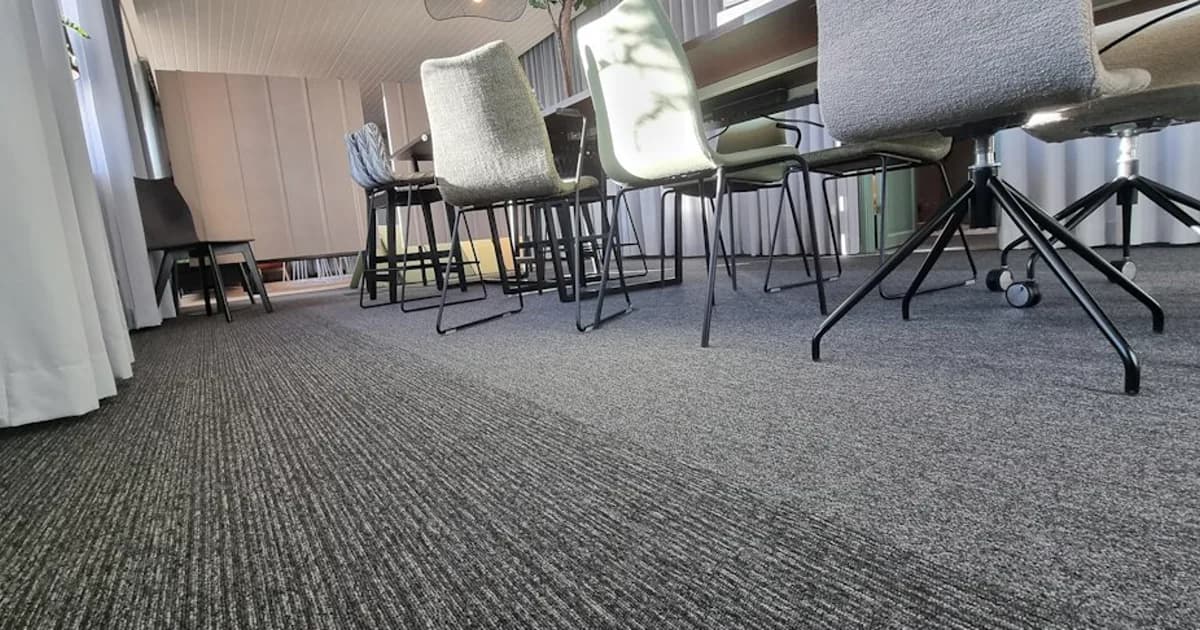
Office Carpet Cleaning Frequency: How Often Should You Schedule It?
There is no federally mandated office carpet cleaning frequency, which leaves facility managers taking a vendor's word for it. This guide replaces the guesswork with a zone-based schedule you can defend: how to map traffic zones, set separate vacuuming and extraction intervals, read the five signs your current schedule is falling behind, and extend the time between deep cleans without letting the carpet degrade.
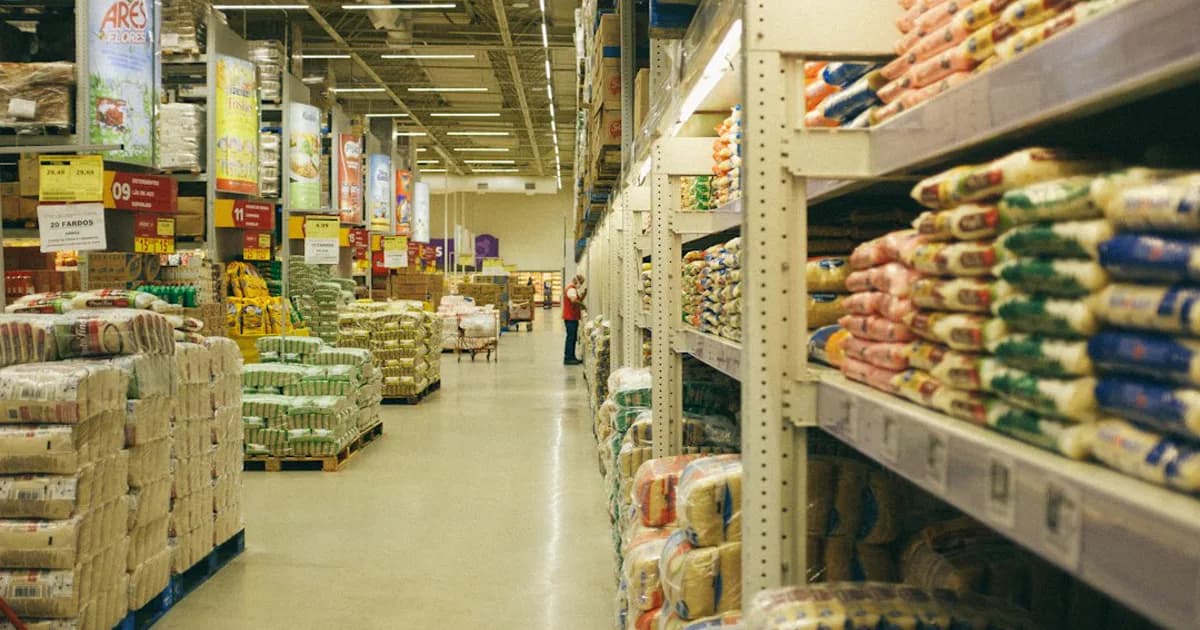
Retail Store Cleaning Checklist: Daily, Weekly, and Seasonal
Retail cleaning fails differently than office cleaning: the work is visible to customers in real time, the floor is both a sales surface and a liability surface, and most of the daily list has to happen during trading hours. Here is a retail store cleaning checklist organized the way the work actually behaves — daily, weekly, and periodic — plus where federal standards set a floor and how to turn the list into a scope a vendor can be held to.

Gym Cleaning Standards: What Fitness Operators Are Actually Held To
There is no single federal rule titled "gym cleaning standard." What exists instead is a stack of CDC guidance, EPA product rules, OSHA employer obligations, and equipment-manufacturer instructions that together define what a defensible program looks like. This guide pulls that stack into one place for fitness operators: what to clean and how often, how to read a disinfectant label, what documentation a facility is expected to keep, and how to decide between in-house staff and a contracted janitorial crew.