Gym Cleaning Standards: What Fitness Operators Are Actually Held To
There is no single federal rule titled "gym cleaning standard." What exists instead is a stack of CDC guidance, EPA product rules, OSHA employer obligations, and equipment-manufacturer instructions that together define what a defensible program looks like. This guide pulls that stack into one place for fitness operators: what to clean and how often, how to read a disinfectant label, what documentation a facility is expected to keep, and how to decide between in-house staff and a contracted janitorial crew.
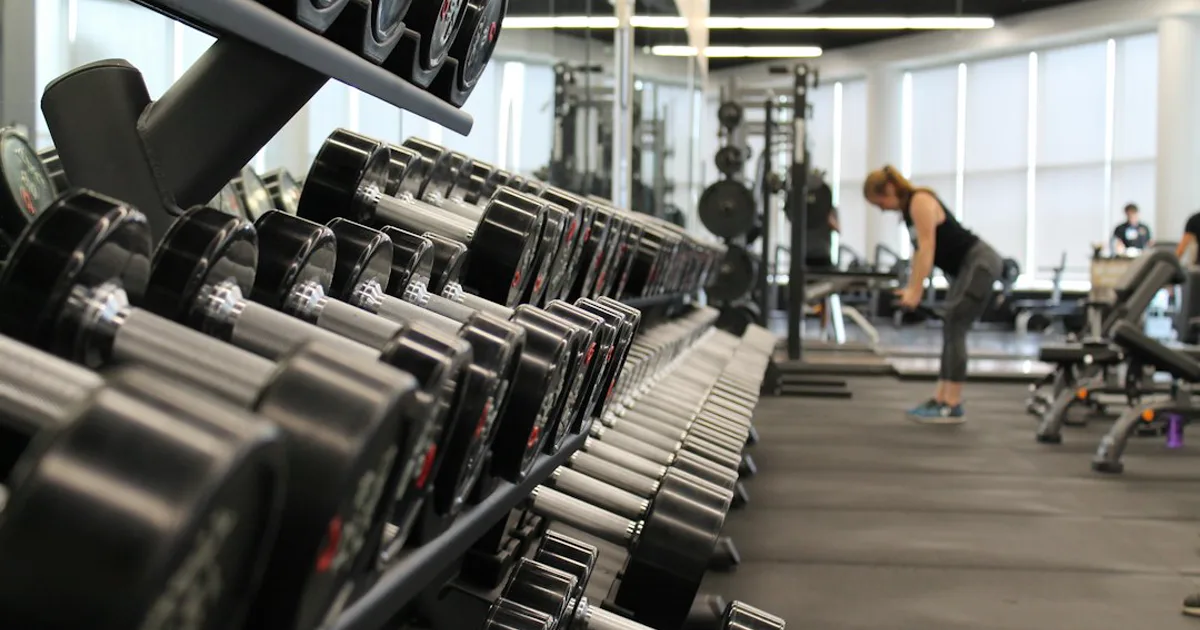
A gym is the only kind of commercial facility where people touch shared surfaces with bare skin, sweat on them, and hand them to the next person inside of a minute. An office has a nightly cycle and a few dozen door handles. A fitness floor has a between-use cycle, porous surfaces that soak up whatever lands on them, and a membership that watches the cleaning happen. Which is why gym cleaning standards come up in every membership tour, every insurance renewal, and eventually in every conversation with a regulator or an attorney.
The honest framing: there's no single federal regulation titled "gym cleaning standard." What exists is a stack — CDC guidance for community facilities and athletic settings, EPA rules governing what a disinfectant product may claim, OSHA obligations that attach to your employees, and the equipment manufacturer's own instructions. Together that stack defines a defensible program: zone-by-zone frequency, label discipline, documentation, equipment care, and the in-house versus contracted decision.
What a Gym Cleaning Standard Actually Covers
Three jobs, not one
Cleaning removes soil and sweat using detergent and physical friction. Sanitizing reduces bacteria to a level the product's label defines. Disinfecting inactivates a broader range of organisms named on that same label. These are three separate operations with three separate purposes, and cleaning, sanitizing, and disinfecting are three different jobs that get collapsed into one word in most facility conversations.
CDC's position for community facilities is more measured than most gym marketing suggests: clean high-touch surfaces regularly and other surfaces when visibly dirty. Routine cleaning is the baseline that does most of the work. Disinfection is applied selectively — where someone has obviously been ill, or where traffic volume justifies the extra step. A program that disinfects everything, constantly, is usually a program that's cleaning nothing properly.
Where gyms genuinely differ from offices
Four differences drive the whole program: bare-skin contact on shared surfaces; sweat as the primary soil load, which is both a nutrient and a liquid; porous materials everywhere — vinyl padding, foam, turf, upholstery — that a general-purpose office spec never has to address; and wet areas like showers, steam rooms, and sauna benches.
One note on language. Specific percentage claims about inactivating organisms belong on a product label where EPA has reviewed the supporting data, not in a facility's marketing. Describe the program — frequency, products, training, documentation — and let the label speak for the chemistry.
Zone by Zone: How Often Each Area Needs Attention
Daily, performed by staff
For community settings that specifically include gyms, CDC guidance puts high-touch surfaces on an at-least-daily cleaning cycle. In a fitness facility that list is long: cardio consoles, screens, handrails and cup holders on every machine; dumbbell handles, barbells, bench pads, cable attachments and machine grips across the strength floor; and the touchpoints nobody puts on a checklist until someone asks — door pulls, locker handles, stair railings, the time clock, vending machines, water-station buttons, and the front-desk counter.
Between users
CDC's guidance for athletic facilities is specific on this point: clean shared equipment after each use and allow it to dry before it is used again. That drying step gets skipped constantly, and it matters — a surface still wet from a spray bottle has not finished doing anything.
This is where member wipe stations earn their keep: wipes or paper towels plus product, stocked at each location, with signage asking members to clean equipment before and after use. Be clear-eyed about what that accomplishes, though. Members clean what they notice and skip what they don't, and nobody holds a towel on a bench for a full label contact time. Wipe stations supplement the staff-performed daily pass. They do not replace it.
Wet areas and locker rooms
Showers, benches, floors, drains, and steam or sauna rooms need daily attention at minimum, plus a documented mid-day check during peak hours — a low-cost upgrade that catches the problems a member would otherwise photograph. Restroom work follows the same logic as any other commercial building, and the commercial restroom cleaning standards that apply to an office apply here too.
Weekly and periodic
Mats and turf, group-studio flooring, mirrors and glass, vents and fan grilles, the floor under and behind equipment, upholstery inspection, and the hard-floor maintenance program. These quietly separate a facility that looks maintained from one that looks tired, and they are the first things cut when a budget gets squeezed.
Reading the Label: Registration Number, Contact Time, Surface Fit
The registration number
Every disinfectant sold in the U.S. carries an EPA registration number, and the format tells you something. A two-part number such as 1234-12 is a primary registration. A three-part number such as 1234-12-123 identifies a supplemental distributor product with the same chemical composition and efficacy as its parent registration, sold under a different brand. Same product, different label. And the correct term is "EPA-registered." EPA registers antimicrobial products; it doesn't endorse them.
Contact time is the rule people break
A disinfectant only performs if the surface stays visibly wet for the entire contact time printed on the label. If the label says ten minutes and the surface dries in three, the product must be reapplied — CDC makes the same point in different words.
That has a real consequence for a gym. A quick spray-and-wipe between users is a cleaning step, not a disinfection step, and an honest program says so in writing rather than letting staff and members believe otherwise. Where disinfection is genuinely needed, build the dwell time into the schedule — usually overnight, when a surface can be left wet.
Match the product to the surface and the claim
If a label doesn't include directions for a specific organism, EPA hasn't reviewed data on whether the product is safe and effective used that way — so the claim isn't supportable, no matter who makes it. A product registered only as a sanitizer may also contain less active ingredient and carry a shorter contact time than one registered as a disinfectant. The two aren't interchangeable, even when they look identical on a supply invoice. Check surface compatibility before anything goes on vinyl upholstery, chrome, or rubber flooring.
The Paperwork a Gym Is Expected to Keep
A written cleaning schedule
OSHA's bloodborne pathogens standard requires an employer with occupationally exposed staff to determine and implement a written schedule for cleaning and a method of decontamination, built around the location within the facility, the type of surface, the soil present, and the tasks performed in that area. Not a general intention to keep things clean — a written schedule, specific to zones.
An exposure control plan
Any employer whose employees have occupational exposure to blood or other potentially infectious materials needs a written exposure control plan. Gyms land in that category through ordinary operations: staff responding to injuries on the floor, handling soiled towels, or cleaning up after a bleeding incident. Whether your staffing model triggers the standard is a question for an occupational-safety advisor, not a guess.
Where it does apply, the timing rules are firm. Contaminated surfaces are decontaminated immediately or as soon as feasible after a spill, and at the end of a shift if the surface may have become contaminated since the last cleaning. EPA-registered products carrying tuberculocidal claims are considered appropriate, as is bleach diluted between 1:10 and 1:100 with water.
Chemical safety and training
Hazard communication is the other half of the file: safety data sheets accessible to staff, secondary containers labeled, PPE issued and actually available, and training delivered before an employee is assigned cleaning and disinfecting tasks. CDC's facility guidance makes the same point from the public-health side, noting that employers must comply with OSHA standards for hazard communication and personal protective equipment.
Insurers ask for this file. So do franchisors and corporate-wellness clients vetting your facility for their employees. It is the same dynamic that shapes how schools and daycares handle the same problem — documentation is what converts a practice into a standard.
Equipment Care That Doesn't Void the Warranty
CDC's athletic-facility guidance says to clean equipment according to the manufacturer's instructions, and for cardio consoles and upholstery those instructions usually specify a dilution range or an alcohol limit. The common failure is predictable: a strong quaternary ammonium product or a high-alcohol wipe used on vinyl several times a day, which dries and cracks the upholstery within a season. Now you have a torn surface that can't be cleaned at all, and a warranty claim that won't survive the first question.
So replace what can't be cleaned. Torn vinyl, cracked foam padding, split grips — CDC is explicit that damaged equipment which cannot be properly cleaned should be repaired or disposed of. Treat upholstery inspection as a monthly line item on the schedule, not an annual surprise.
On bleach: for athletic surfaces, CDC's dilution guidance is one-quarter cup of 5.25–6.0% bleach per gallon of water, or one ounce of 8.25% bleach per gallon on surfaces that have already been cleaned, with gloves and eye protection worn. Bleach is the wrong choice for most equipment surfaces and a reasonable one for specific wet-area applications — which is exactly why the product list belongs in writing, matched to zones.
In-House Staff vs. a Contracted Crew
The median hourly wage for janitors and building cleaners was $17.71 in May 2025, or $36,840 a year, and the occupation turns over hard — roughly 321,800 openings are projected annually through 2035, most of them replacing people who left. Build the comparison on more than the wage: payroll taxes, supplies, equipment, and coverage when your overnight cleaner calls out. A single in-house cleaner with no backup is a program with one point of failure.
A contract buys fixed monthly cost, supervision, substitute coverage, and a written scope you can hold someone accountable to. The scope is the part that matters most — know what a cleaning scope of work should spell out before you sign anything.
Most gyms land on a hybrid. Floor staff handle between-use wipe-downs and peak-hour touchpoint checks, because they're already there and members can see them working. A contracted crew handles the deep nightly scope and the periodic work that needs equipment and time. If you're weighing that split for a north-metro facility, our commercial cleaning in the Minneapolis North Metro pages lay out how nightly and periodic scopes typically divide by facility type.
Frequently Asked Questions
How often should gym equipment be cleaned?
Shared equipment should be wiped down between users, and every high-touch surface in the facility — cardio consoles, free weights, cable handles, door pulls, railings, locker handles — should get a staff-performed cleaning at least once a day. CDC guidance for athletic facilities is specific on the between-use point: clean shared equipment after each use and let it dry before the next person touches it. Member wipe stations help, but they don't replace the daily pass by trained staff, because members clean what they notice and skip what they don't.
What's the difference between a sanitizer and a disinfectant for gym surfaces?
They are different EPA registrations with different performance claims. A product registered only as a sanitizer may contain less active ingredient and carry a shorter contact time than one registered as a disinfectant. That matters when you're comparing two spray bottles that look identical on a supply invoice — the registration and the label directions, not the marketing on the front, tell you what the product is approved to do.
Do gyms have to follow OSHA's bloodborne pathogens standard?
It depends on whether your employees have reasonably anticipated occupational exposure to blood or other potentially infectious materials. If they do — staff who respond to injuries on the floor, handle soiled towels, or clean up after a bleeding incident — then 29 CFR 1910.1030 applies, and the facility needs a written exposure control plan plus a written cleaning and decontamination schedule. A short conversation with an occupational-safety advisor is the right way to settle it for your specific staffing model.
What should a gym cleaning checklist include that a generic office checklist doesn't?
Four things an office checklist won't cover: between-use equipment wipe-downs, upholstery and padding inspection for tears that make a surface impossible to clean, wet-area protocol for showers and steam rooms, and turf or rubber flooring care that follows the equipment manufacturer's instructions rather than a general-purpose floor program. Everything else — restrooms, entryways, glass, trash, vacuuming — looks much like any other commercial facility.
Is it cheaper to clean a gym in-house or hire a janitorial service?
It depends on hours, coverage, and turnover, not on the hourly rate alone. The May 2025 median wage for janitors and building cleaners was $17.71 an hour, but a direct comparison has to add payroll taxes, supplies, equipment, backup coverage for call-outs, and the recruiting cost of an occupation with roughly 321,800 openings a year nationally. Contracted crews absorb those costs into a flat monthly figure; in-house staff give you more schedule control. Scope and pricing vary by facility size and condition, so get a written scope either way.
Your Gym Cleaning Game Plan
A defensible gym cleaning program is three documents, not three products. A written zone-by-zone schedule that says what gets cleaned, how often, and by whom. A product list with registration numbers, contact times, and the surfaces each product is cleared for. And a training record showing staff were trained before they were handed a spray bottle.
The useful next step is small: audit one night of actual work against the written scope and mark every place the two diverge. That gap is your program. If you'd like a second set of eyes on the nightly and periodic scope, request an estimate for your facility and we'll walk the building with you.
This article is for general informational purposes only. Cleaning scope, frequency, and pricing vary by facility size, type, and condition. Service availability depends on your location within Neat & Clean Co's service area. Contact us for a quote specific to your facility.
Related articles

Office Cleaning for Hybrid Workplaces: How to Adjust Frequency
Most office cleaning contracts were written for a building that filled up every weekday. In a hybrid workplace, that schedule overpays for empty space while under-serving the zones that still take a beating. Here is how facility managers sort tasks that scale with headcount from tasks that do not, build a zone-by-zone frequency matrix using occupancy data they already have, rewrite the scope of work, and verify that standards actually held.
Office Carpet Cleaning Frequency: How Often Should You Schedule It?
There is no federally mandated office carpet cleaning frequency, which leaves facility managers taking a vendor's word for it. This guide replaces the guesswork with a zone-based schedule you can defend: how to map traffic zones, set separate vacuuming and extraction intervals, read the five signs your current schedule is falling behind, and extend the time between deep cleans without letting the carpet degrade.
Retail Store Cleaning Checklist: Daily, Weekly, and Seasonal
Retail cleaning fails differently than office cleaning: the work is visible to customers in real time, the floor is both a sales surface and a liability surface, and most of the daily list has to happen during trading hours. Here is a retail store cleaning checklist organized the way the work actually behaves — daily, weekly, and periodic — plus where federal standards set a floor and how to turn the list into a scope a vendor can be held to.