Retail Store Cleaning Checklist: Daily, Weekly, and Seasonal
Retail cleaning fails differently than office cleaning: the work is visible to customers in real time, the floor is both a sales surface and a liability surface, and most of the daily list has to happen during trading hours. Here is a retail store cleaning checklist organized the way the work actually behaves — daily, weekly, and periodic — plus where federal standards set a floor and how to turn the list into a scope a vendor can be held to.
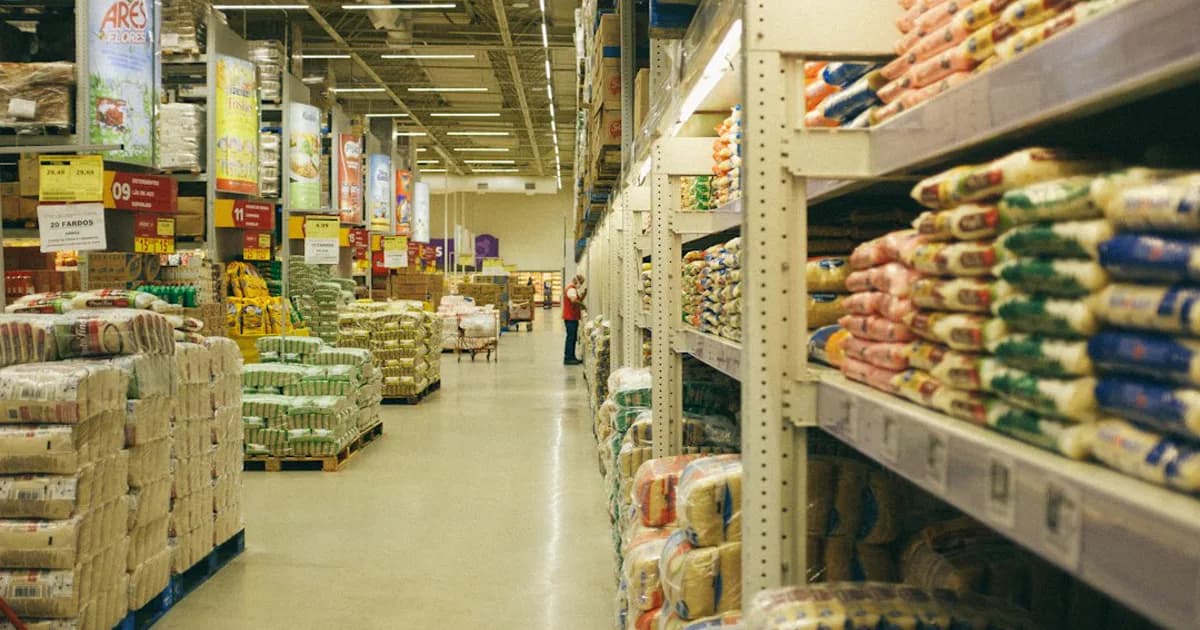
A retail store is the one commercial facility where the cleaning program is on display to the customer in real time. A dusty office conference room gets noticed Monday morning by eight people who already work there. In a store, a smeared entry door or a wet floor with no sign costs a sale — or creates a claim — long before anyone thinks to complain.
Traffic is public and unpredictable, hours are long, and a large share of the work has to be executable in minutes by whoever's on shift. A retail store cleaning checklist that reads as one long list won't survive a Saturday. The version that works is split by frequency: what happens every day, what happens every week, and what runs on a monthly, quarterly, or seasonal cycle.
Why a Retail Cleaning Checklist Needs Three Tiers
Cleaning tasks fail on different clocks, and that's the whole reason for the tiers. A spill fails in seconds. Smudged display glass and dusty shelf edges fail over a week. A hard floor's finish fails over a season, invisibly, until the day it looks gray and no amount of mopping brings it back. Put all three on one daily list and the slow-failing items get skipped.
There's also a legal floor under the daily tier. Federal workplace rules require that all places of employment, passageways, storerooms, service rooms, and walking-working surfaces be kept in a clean, orderly, and sanitary condition, with floors maintained clean and, to the extent feasible, dry. The same standard requires those surfaces to be kept free of hazards including spills, snow, and ice, inspected regularly, and guarded if a hazard can't be corrected immediately. Read that carefully and spill response stops being a courtesy item at the bottom of the page. It's a duty with a clock on it, and the clock starts when the spill happens.
One note on frequency: in retail, foot traffic sets it, not square footage. We compared how often different facility types need cleaning, and the logic transfers directly.
The Daily Retail Cleaning Checklist
- Entry and front-of-house — entry glass and door handles, mats straightened and vacuumed, exterior approach spot-swept, and wet-floor signage staged where a staffer can grab it in under ten seconds. The entry is the highest-leverage ten square feet in the building, and where most of the soil enters.
- Sales floor — dust-mop or vacuum every walkable area, spot-mop as needed, clear boxes, pallet debris, and cords out of the aisles, and wipe shelf edges at face level where products get handled.
- Restrooms — a full clean plus consumables, every day the store is open. Washing facilities must be maintained in a sanitary condition and supplied with running water, soap or another suitable cleansing agent, and a means of drying hands, so restocking is part of the cleaning task rather than a separate errand. We go deeper on fixture-level detail in our guide to commercial restroom cleaning standards.
- High-touch surfaces — checkout counters, payment touchpads, carts and baskets, door handles, stair and ramp rails, elevator buttons. These are the surfaces public-health guidance specifically names for regular cleaning, at a frequency scaled to traffic rather than a fixed number of passes.
- Trash and back-of-house — sales-floor and breakroom trash pulled. Receptacles used for putrescible waste must be leak-proof, cleanable, and fitted with a solid tight-fitting cover, and waste removed often enough to avoid creating a nuisance or health hazard. That sets a floor under stockroom and breakroom frequency that has nothing to do with how full the can looks.
- Fitting rooms and spot work — reset rooms, pull tags, hangers, and debris, wipe benches and mirrors. In apparel retail this is the task most often assumed to belong to the night crew, and most often actually needed three times a day.
Floors, Entryways, and the Slip Risk Retail Carries
Retail carries more slip exposure than most commercial facility types. Slips, trips, and falls are the third most common cause of lost-workday injuries in retail establishments, and retail employees experience them at a higher rate than private-industry employees overall. The named risk factors are exactly what a cleaning program controls: spills on walking surfaces, loose or bunched mats, and poor lighting that hides both.
Matting is where most stores leave value on the table. A mat has to be long enough that several footsteps land on it, so contaminants come off the shoe before it reaches hard floor — a three-foot mat at a busy entrance is decorative, not functional. Mats also have to lie flat rather than wrinkled or bunched, because a rucked-up mat is a trip hazard in its own right. That same guidance calls for clearing walkways, stairs, and lobbies of cords, wires, and empty boxes — a stockroom habit as much as a sales-floor one.
The quieter risk is chemical-and-floor mismatch: a residue-heavy cleaner on a polished hard floor can leave a surface more hazardous than it was before the mop came out. Match the product and dilution to the floor type, and make sure anyone who might grab a bottle mid-shift knows which one to grab.
Cleaning vs. Disinfecting: What the Standards Actually Ask For
This is where retail checklists get padded with work nobody needs. Public-health guidance is explicit that in most situations, cleaning regularly is enough to prevent the spread of germs, and that routine daily disinfection of an ordinary facility is not recommended. Disinfecting is for areas where someone has obviously been ill. Cleaning high-touch surfaces every day is the right call; disinfecting all of them every day is a different, more expensive job the guidance doesn't ask for.
Where you do disinfect, two details decide whether the work accomplished anything. Clean the surface first, because dirt and other impurities make it harder for the chemical to do its job. Then respect contact time: with an EPA-registered product, the surface has to stay visibly wet for the full contact time on the label — if the label says ten minutes and the surface is dry at five, more product goes on. A quick spray-and-wipe is cleaning, not disinfecting, whatever the bottle says. Use the product only at label concentration, never mix products unless the directions call for it, and increase air circulation before disinfecting an enclosed space. If the distinction is still fuzzy, we unpacked the difference between cleaning, sanitizing, and disinfecting in plain terms.
One honest note, because retail marketing overpromises here: a cleaning program manages soil, appearance, and risk. It isn't a germ-elimination promise, and a vendor who frames it as one is telling you how they write proposals.
Weekly Retail Cleaning Checklist
The weekly tier catches what a nightly pass legitimately can't reach.
- Detail floor work — edges, corners, under fixtures and racks, baseboards. A dust-mop skims past these every night, and they're where a store starts to look neglected first.
- Glass beyond the entry — interior partitions, display cases, mirrors, window sills and frames.
- Dusting at height — fixture and display tops, light switch plates, signage holders.
- Stockroom — sweep and mop, break down and remove cardboard, clear floor-level clutter from aisles and in front of exits.
- Breakroom — refrigerator and microwave interiors, table and chair legs, sink fixtures.
- Cart and basket wash — a genuine wash, not the daily handle wipe.
- Restroom detail — partitions, tile grout, vent covers, drain maintenance.
Monthly, Quarterly, and Seasonal Retail Cleaning Tasks
Monthly and quarterly. Hard-floor maintenance belongs on a cycle, not in a crisis — burnish, scrub, or recoat before the finish is visibly gone, because restoring a floor costs several times what maintaining one does. Our breakdown of building a hard-floor care schedule covers how to set those intervals. Carpet extraction runs on the same cadence in entry zones and high-traffic lanes. Then there's high dusting — ceiling vents, light diffusers, sprinkler heads, tops of fixtures and signage — the periodic item stores defer until a customer looks up.
Pest exclusion belongs in this tier too. Enclosed workplaces must be constructed, equipped, and maintained to prevent the entrance or harborage of rodents, insects, and other vermin, with a continuing program where any are detected. In retail that means a scheduled look at the receiving door sweep, the stockroom perimeter, and anywhere food or packaging sits.
Minnesota seasonal. Winter is the heavy one for North Metro stores. Salt, sand, and slush tracked in from the lot attack hard floors and carpet alike, so the seasonal plan usually means longer entry matting, more frequent entry mopping and carpet extraction, and a neutralizing cleaner that handles ice-melt residue instead of smearing it around. Spring is a reset: pull the winter matting, strip the salt haze off the hard floors, clean the glass and frames, extract the carpet. Late summer or early fall is the natural window for a pre-holiday deep clean — before fourth-quarter traffic makes taking floor space out of service impossible.
Who Does What: Store Staff or the Cleaning Crew
Almost every retail cleaning problem traces back to an unwritten boundary. The split most stores land on: trading-hours work belongs to staff — spills, restroom checks, cart wipe-downs, fitting-room resets, trash that overflows mid-shift — and the contractor owns the scheduled after-close work plus the periodic floor and detail services. Write it down anyway. If the contract doesn't say who restocks restroom paper at 2 p.m. or who cleans the breakroom microwave, nobody does.
Chemical safety follows the bottle, not the job title. Any employer with hazardous chemicals in the workplace must have labels and safety data sheets available to exposed workers and must train them to handle the chemicals appropriately — at initial assignment, and again whenever a new chemical hazard enters the work area. If store staff are mopping during the day, that covers store staff.
The gap list worth settling before you sign: mid-day restroom restocking, breakroom appliances, the exterior entry approach, the cart corral, fitting rooms, and spill response after the crew leaves. Our guide to a written scope of work shows how to get frequencies, inspection, and documentation into the agreement rather than the conversation. Neat & Clean Co handles commercial cleaning across the Minneapolis North Metro, and with retail clients this is the part of the scope we spend the most time on.
Frequently Asked Questions
How often should a retail store be professionally cleaned?
Most retail stores land on nightly or five-nights-a-week service for the sales floor and restrooms, with staff handling spot work during trading hours. Foot traffic drives it, not square footage — a convenience store moving a thousand people a day needs the entry, restroom, and high-touch surfaces touched far more often than a furniture showroom with thirty appointments a week. Low-traffic specialty retail often runs two or three nights a week plus a monthly detail visit.
What should be on a daily retail cleaning checklist?
Entry mats and glass, the sales floor, restrooms, high-touch surfaces, trash, and spill response. In practice: vacuum or dust-mop all walkable areas, clean restrooms and restock consumables, wipe counters, carts, baskets, handles, rails, and payment touchpads, pull trash, reset fitting rooms, and clear anything that could cause a slip or trip. Federal rules require walking-working surfaces to be kept free of spills and other hazards, so immediate spill cleanup is a standing daily duty, not an exception.
Do retail stores need to disinfect every day?
No. Public-health guidance is explicit that in most situations regular cleaning is enough to limit germ spread, and routine daily disinfection of an ordinary facility is not recommended — it's reserved for places where someone has obviously been ill. What does belong on the daily list is cleaning high-touch surfaces, a different job from disinfecting them. Where you do disinfect, clean the surface first, then keep it visibly wet for the full label contact time.
Who is responsible for retail cleaning — store staff or the cleaning company?
Both, and the split should be written down. The division most stores settle on: staff own anything that happens during trading hours — spills, restroom checks, cart wipe-downs, fitting-room resets, mid-shift trash — and the contractor owns the scheduled after-close work plus periodic floor and detail services. Ambiguity creates gaps: if the contract doesn't say who restocks restroom paper, nobody does.
What seasonal cleaning does a Minnesota retail store need?
Winter is the heavy one. Salt, sand, and slush tracked in from the lot attack hard floors and carpet, so North Metro stores typically add longer entry matting, more frequent entry mopping and extraction, and a neutralizing cleaner for ice-melt residue. Spring calls for a reset: pull the winter matting, strip the salt haze off hard floors, clean glass and frames, extract carpet. Late summer or early fall is the window for the pre-holiday deep clean.
Your Retail Cleaning Game Plan
The checklist is only half the deliverable. Frequency, ownership, and some way to verify the work are the other half — and they decide whether the store still looks right in month six.
A free and genuinely useful exercise: walk your store at peak hour on your busiest day and write down everything that looks tired. Sort those items into daily, weekly, and periodic before you talk to a vendor. You end up with a scope built around how your store actually wears rather than a template, and you can compare proposals on something more concrete than a monthly number. When you're ready to price it out, request an estimate and we'll walk the building with you.
This article is for general informational purposes only. Cleaning scope, frequency, and pricing vary by facility size, type, and condition. Service availability depends on your location within Neat & Clean Co's service area. Contact us for a quote specific to your facility.
Related articles

Office Cleaning for Hybrid Workplaces: How to Adjust Frequency
Most office cleaning contracts were written for a building that filled up every weekday. In a hybrid workplace, that schedule overpays for empty space while under-serving the zones that still take a beating. Here is how facility managers sort tasks that scale with headcount from tasks that do not, build a zone-by-zone frequency matrix using occupancy data they already have, rewrite the scope of work, and verify that standards actually held.
Office Carpet Cleaning Frequency: How Often Should You Schedule It?
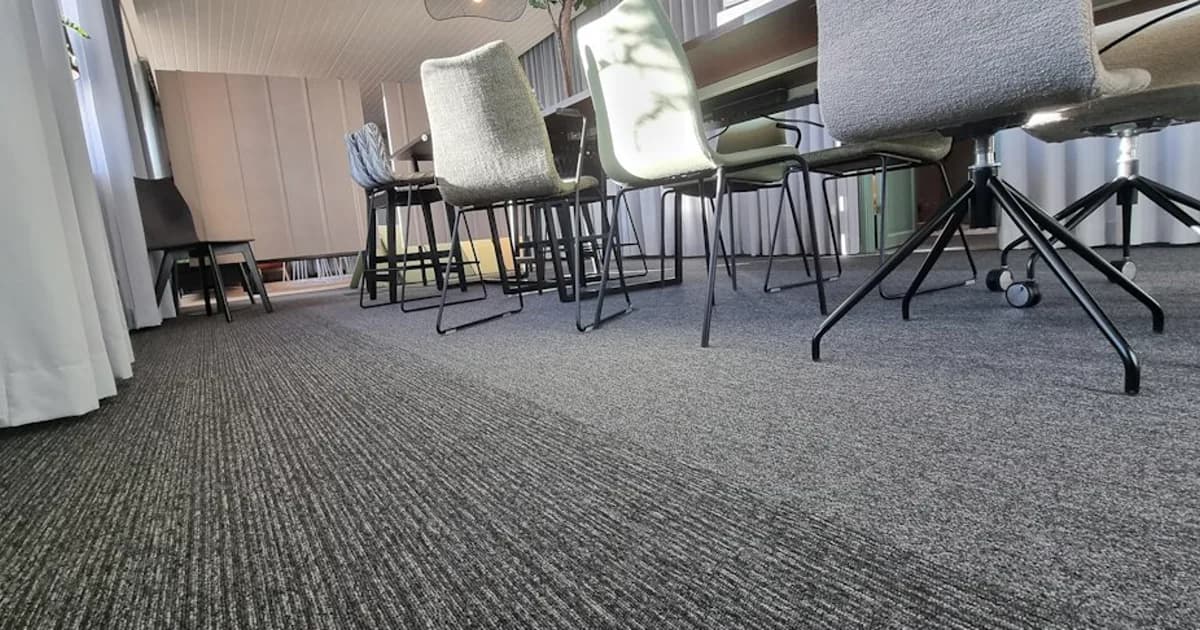
There is no federally mandated office carpet cleaning frequency, which leaves facility managers taking a vendor's word for it. This guide replaces the guesswork with a zone-based schedule you can defend: how to map traffic zones, set separate vacuuming and extraction intervals, read the five signs your current schedule is falling behind, and extend the time between deep cleans without letting the carpet degrade.

Gym Cleaning Standards: What Fitness Operators Are Actually Held To
There is no single federal rule titled "gym cleaning standard." What exists instead is a stack of CDC guidance, EPA product rules, OSHA employer obligations, and equipment-manufacturer instructions that together define what a defensible program looks like. This guide pulls that stack into one place for fitness operators: what to clean and how often, how to read a disinfectant label, what documentation a facility is expected to keep, and how to decide between in-house staff and a contracted janitorial crew.